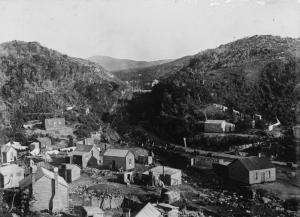
 As anticipated, the top posts for the last quarter have been Christchurch-related, with Earthquake reveals the forgotten streams of Christchurch and Christchurch: a city haunted by its environmental past? being overwhelmingly the most popular (864 and 627 views respectively). Next was the post Waitangi Park – an urban wetland recreated, about the recently (re-)created wetland in central Wellington (376 hits). Continue reading
Manawatu

Undoing environmental history (with a spade)
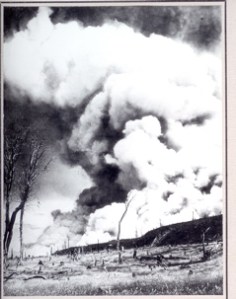 Though my implement of choice for environmental history is the pen (or more accurately, the keyboard), I am known to pick up a spade from time to time. Specifically, to plant native trees on land in the Pohangina Valley, about 40 kilometres north-east of the Manawatu provincial “capital” of Palmerston North [click here to view location].
When I do so, I am deeply conscious of the fact that I am undoing the toil of hardworking men who “broke the land in” only a century ago, transforming the Manawatu – at the time described in a government advertisement as “the waste land of the Colony” – into productive farmland. Continue reading
Share this:

Opiki toll bridge: graceful relic of a thriving flax industry
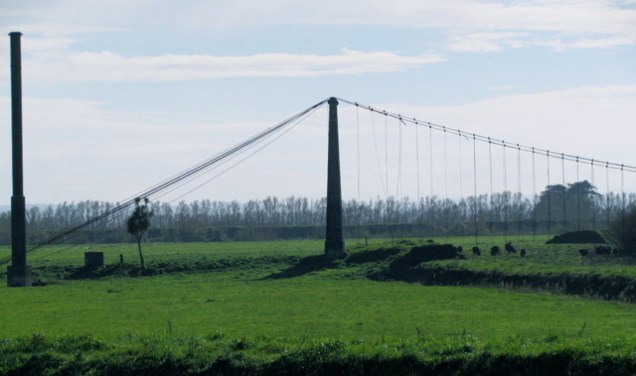 When driving north along State Highway 56 through the low-lying plains flanking the Manawatu River, a traveller cannot help but notice a suspension bridge to the north of the current road, a tall industrial chimney incongruously positioned at the western end of its span [click here to view map]. Now, its suspension wires dangle without purpose, as if suspended in time as well as space, but this graceful structure still strikes a dignified – if somewhat ghostly profile – on the landscape, hinting at an important role it played in the local economy in the not too distant past. Continue reading
Share this:

The city of hidden lagoons: Palmerston (of the north)
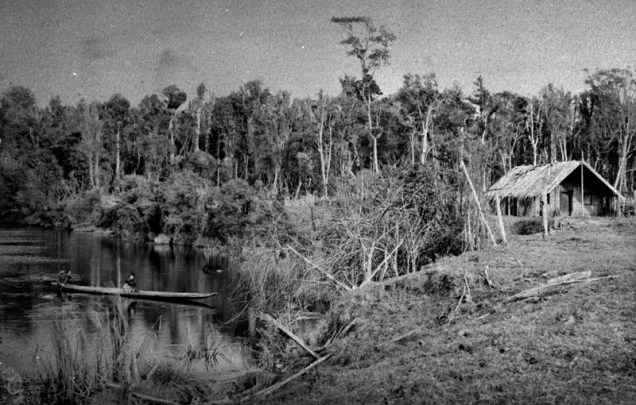 I came across this photo on the Manawatu Memory Online site the other day, while looking for an image of early Manawatu history. I was immediately captivated by the image. It is the 1881 photograph of the now long-gone Awapuni Lagoon, located in what is now the south-western corner of Palmerston North city, about where the Awapuni racecourse is today [click here to view map]. Continue reading
Share this:

Scandinavians, earthquakes & whales: top 5 posts of first quarter of 2011
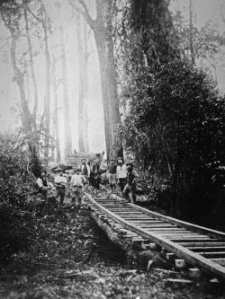 At envirohistory NZ, we like to review the most popular posts of each quarter (though sometimes – such as on this occasion – a little late). The top five posts of the first quarter of 2011 covered a wide breadth of topics, from the the environmental histories which contributed to the devastating consequences of the seismic disasters of Christchurch and Japan; an urban wetland; a history of whaling in New Zealand; and the Scandanavian settlers of the Manawatu. Here are the topics in order of hits:
1. The Scandinavian settlers of the Manawatu
2. Waitangi Park – an urban wetland recreated
3. Christchurch: a city haunted by its environmental past? Continue reading
Share this:

Forest clearance in 1880s New Zealand – the views of Mrs Robert Wilson
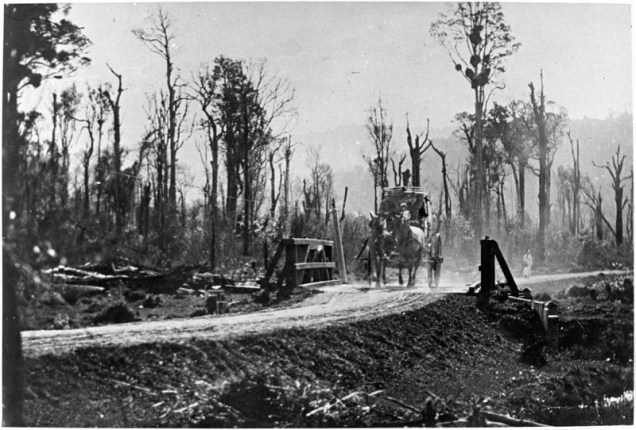
In 1962, A.G.S. Bradfield published “The Precious Years”, a sequel to his earlier book “Forgotten Days”; both books recounting stories of the “pioneering days of Palmerston North and Districts in the Manawatu”. These are charming little books, in which Bradfield draws on first-hand memories of older Manawatu residents, giving it an authenticity and poignancy that would not be achievable today, nearly half a century on. Continue reading
Share this:

Halting the great sand-drift: the “exoticisation” of our coast
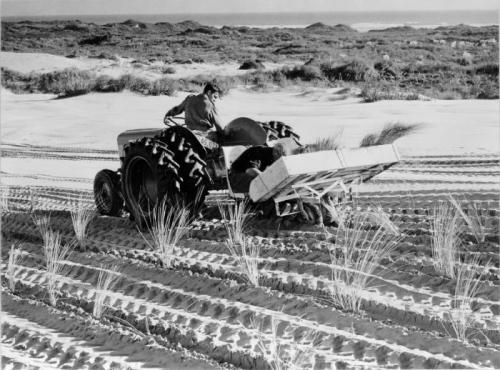 Growing up in the Manawatu, I took for granted the largely homogeneous dune landscape of Himatangi, Foxton and other west-coast beaches – oblivious to the fact that this was a primarily man-made landscape. As Raewyn Peart explains in “Castles in the Sand”, the appearance of sand dunes have been extensively modified, firstly through deforestation, and then through intensive re-stabilisation efforts from the 1930s onwards. Continue reading
Share this:

Top search terms for envirohistory NZ
 Search terms (the key words you put in Google or any other search engine to find information about a particular topic) are an important way for readers to find a particular website or web-based article. They tell you a lot about what readers of a website are interested in. And envirohistory NZ is no exception. We are really interested in what our readers are interested in!
So, what are the top search terms that brought internet users to envirohistory NZ? Continue reading
Share this:

Creating our own Totara Reserve in Pohangina
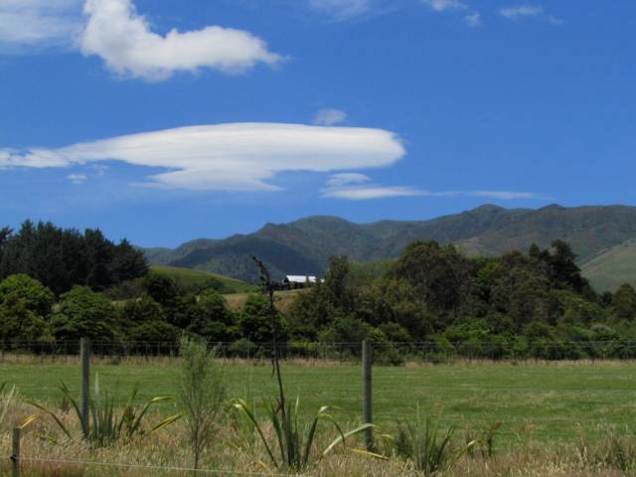 For a long time before I met my husband it had been my dream to find a block of land with remnant bush (indigenous forest) on it and regenerate the bush using locally sourced species. Not long after meeting my would-be husband, I shared this dream with him, and he responded – “That is my dream too!” … Continue reading
Share this:

Need a job done? See new “Services” page
 A new Services page outlines the services that are now on offer by Catherine Knight, the convener and primary contributor to the envirohistory NZ website. These services include: research, policy and analysis, writing, editing, proofreading and Q&A. Catherine is also able to offer expert Japanese to English translations! See the Services page for more details of services and to view Catherine’s portfolio.

 envirohistory NZ