Environment & Nature in New Zealand: latest issue is out!

The latest issue of online journal Environment & Nature in New Zealand is out, and can be accessed here.

CONTENTS:

1-23    ARTICLE: Amy Davis, ‘”For Beauty and Health” Nature and the environment in suburban Karori, Wellington’

24-54    ARTICLE: Lily Lee and Ruth Lam, ‘陈达枝 Chan Dah Chee  (1851 -1930): Pioneer Chinese Market Gardener and Auckland Businessman’

Continue reading

The “Kingdom of Taranaki” – is there truth behind the epithet?

I have often heard the region of Taranaki referred to as the “Kingdom of Taranaki”, owing to the fierce independence displayed by its long-time residents – particularly farmers, and particularly in relation to property rights. While the epithet is used facetiously, it is often underpinned by a sense of admiration for this feisty independence. But is there a reality to this perceived feistiness, and if so, is there some historical reason for it? Continue reading

Waikato: from dairy capital to wetland capital of the world?

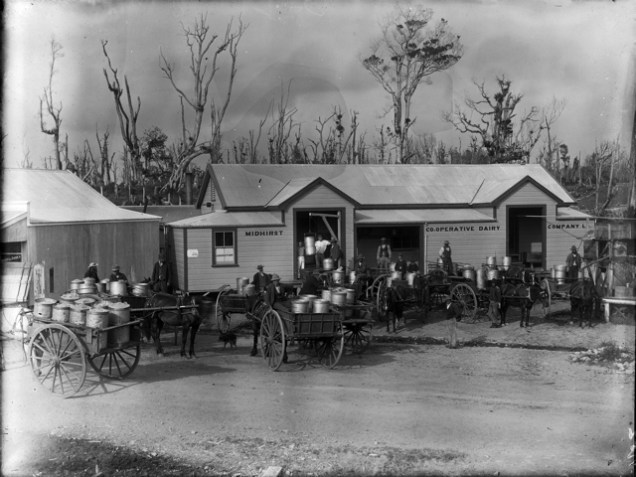
The Waikato was one of the original dairy farming regions of New Zealand, and its transformation from forested hills and swampy valleys to productive farmscapes was well underway by the late 19th century. So it would be ironic, but a satisfying example of the circular route environmental history often takes, if the region was one day to become known more for its wetlands than its “smiling farms”. Continue reading

Seminar: how can environmental history shape the future?

After a great session last week at University of Waikato, Hamilton, hosted by the History Department (see: How can environmental history shape the future?), Catherine will be doing the same talk at Massey in October. The Hamilton talk was attended by scholars of history (both faculty and students), ecologists, hydrologists, as well as environmental managers and practitioners, and stimulated some interesting discussion. Continue reading

Forgotten streams, urban wetlands and Scandinavians: top posts for second quarter 2011

As anticipated, the top posts for the last quarter have been Christchurch-related, with Earthquake reveals the forgotten streams of Christchurch and Christchurch: a city haunted by its environmental past? being overwhelmingly the most popular (864 and 627 views respectively). Next was the post Waitangi Park – an urban wetland recreated, about the recently (re-)created wetland in central Wellington (376 hits). Continue reading

How can environmental history shape the future?

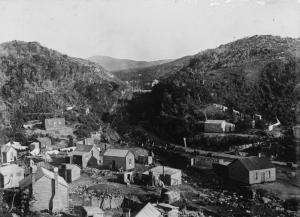
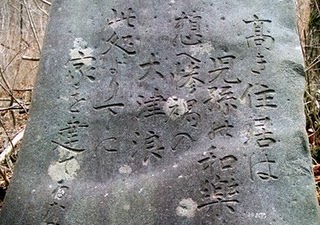
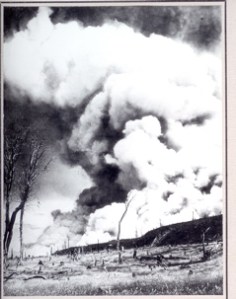
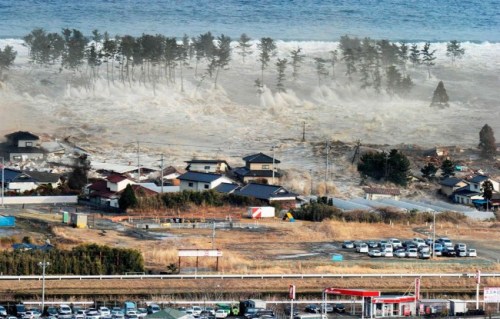
What do these three – seemly unrelated – photographs have in common? They all feature in an upcoming talk by Dr Catherine Knight exploring how environmental history research can shape the future, through policy and planning decisions which take account of the environmental past. This question has become increasingly topical both here and internationally, particularly in the wake of a series of natural disasters that have led to many questioning the wisdom of thinking that as humans we can control the forces of nature through engineering and technological solutions. (See for example: Is there such a thing as a natural disaster? The lessons of environmental history) Continue reading

Undoing environmental history (with a spade)

Though my implement of choice for environmental history is the pen (or more accurately, the keyboard), I am known to pick up a spade from time to time. Specifically, to plant native trees on land in the Pohangina Valley, about 40 kilometres north-east of the Manawatu provincial “capital” of Palmerston North [click here to view location].

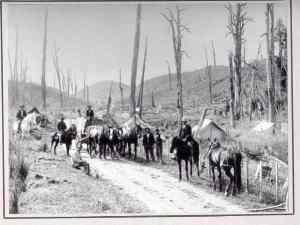
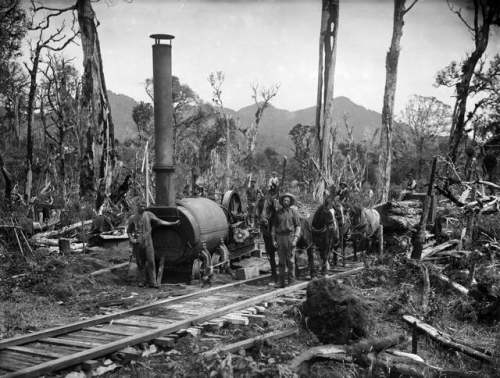
When I do so, I am deeply conscious of the fact that I am undoing the toil of hardworking men who “broke the land in” only a century ago, transforming the Manawatu – at the time described in a government advertisement as “the waste land of the Colony” – into productive farmland. Continue reading

Is there such a thing as a natural disaster? The lessons of environmental history

In a recent essay published in the Economic History Society of Australia and New Zealand newsletter, University of Canterbury Professor of Geography Eric Pawson asks why people are becoming more – not less – vulnerable to environmental disasters. Recent events, such as the recent Canterbury earthquakes, the Japan earthquake and tsunami, Hurricane Katrina and the Victorian bushfires of 2009 have brought this question to the fore. The primary reason for this increasing vulnerability has been our growing confidence in the human ability to control nature through engineering and other means, leading us to disregard the recurrent and inevitable threat posed by natural hazards. Continue reading

Farm landscape in the Horowhenua

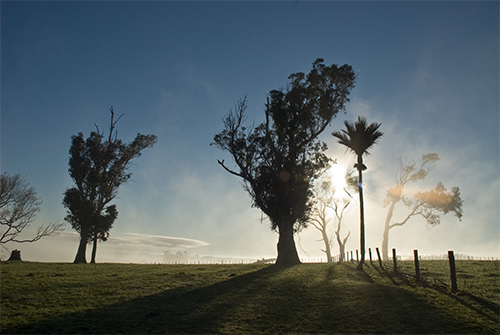
I recently sent this photo from the envirohistory NZ banner to the Stirling University Research Centre for Environmental History and Policy to be used on their related links page. When I did so, I thought it may be a good opportunity to share the “back story” of the photo.

The photo is taken by veteran photographer, Paul Knight, of a farm just north of the Horowhenua town of Levin [click here to view location]. The farm, called Nikaunui, meaning “many (or big) nikau palms” in Maori, is a large sheep and beef farm, owned by the Kilsby family,* a family with a long history in the district. Continue reading

Paekakariki: perch of the green parrot

This signal box on the Paekakariki Railway Station platform tells of an illustrious history of a small coastal town intimately linked with the railway. The railway station dates from 1886 when the Wellington and Manawatu Railway Company’s line from Wellington to Longburn was completed. The railway runs alongside the state highway, the Paekakariki to Porirua segment of which was completed nearly four decades before, in 1849. Both transport links run through a narrow corridor of flat land wedged between steep hills to the east and the sea and old dune-lands to the west [click here to view map]. The town itself lies on a narrow band of undulating dune-lands, contributing to its slightly idiosyncratic character; its name, meaning “perch of the kakariki parrot” in Maori, seems particularly apt. Continue reading