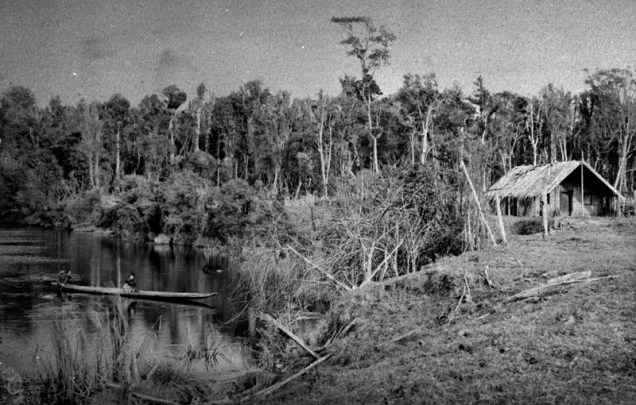
 I came across this photo on the Manawatu Memory Online site the other day, while looking for an image of early Manawatu history. I was immediately captivated by the image. It is the 1881 photograph of the now long-gone Awapuni Lagoon, located in what is now the south-western corner of Palmerston North city, about where the Awapuni racecourse is today [click here to view map]. Continue reading
New Zealand

Scandinavians, earthquakes & whales: top 5 posts of first quarter of 2011
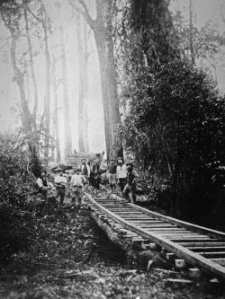 At envirohistory NZ, we like to review the most popular posts of each quarter (though sometimes – such as on this occasion – a little late). The top five posts of the first quarter of 2011 covered a wide breadth of topics, from the the environmental histories which contributed to the devastating consequences of the seismic disasters of Christchurch and Japan; an urban wetland; a history of whaling in New Zealand; and the Scandanavian settlers of the Manawatu. Here are the topics in order of hits:
1. The Scandinavian settlers of the Manawatu
2. Waitangi Park – an urban wetland recreated
3. Christchurch: a city haunted by its environmental past? Continue reading
Share this:

Nature strikes again – beautiful Tohoku’s coastal towns devastated by tsunami
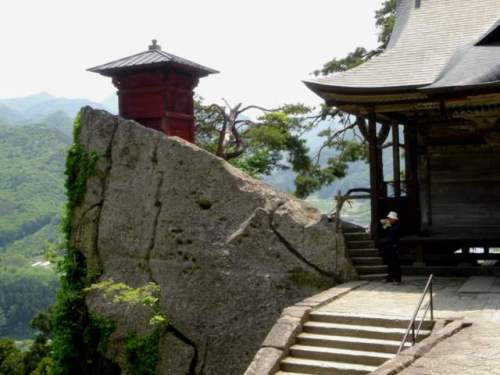 Once again, I find myself writing about a place that I hold great affection for, after it has been devastated by a natural disaster [see also: Christchurch – a city haunted by its environmental past]. This time the north-east of Japan, where a tsunami (tidal wave) of up to 10 metres high struck the eastern coast, following the magnitude 8.9 earthquake of 11 March. Continue reading
Share this:

Inland West Coast: the realm of semi-tamed nature
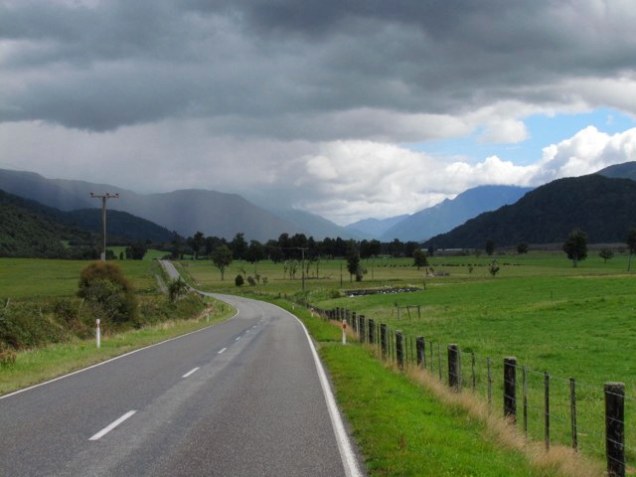 Driving the route east of Lake Brunner, then back to the coast via State Highway 73 through Taramakau Valley [click here to view map], I was struck by the palpable human imprint even on the most (at first glance) wild and rugged looking landscapes. Through the Taramakau Valley, the hills and mountains on either side of the Taramakau River are so steep that landslips are frequent events, sometimes missing farmhouses perched precariously at the bottom of these slopes by a breathtakingly small margin. Continue reading
Share this:

Christchurch: a city haunted by its environmental past?
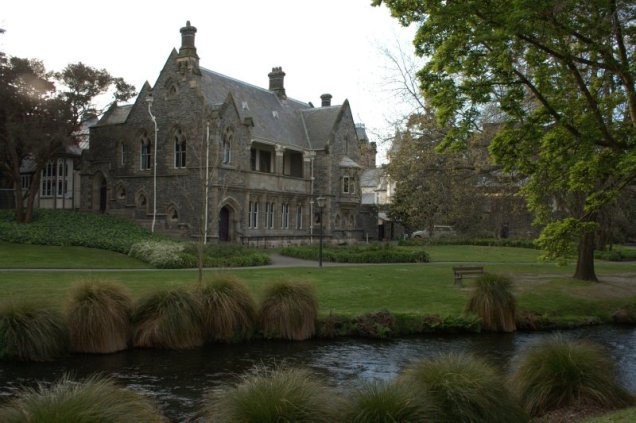 It is with both horror and immeasurable sadness that I contemplate the tragic consequences of last Tuesday’s massive earthquake on the city that I lived in for 8 years, and which I still regard with immense affection. I cannot even begin to imagine how life must be like for its residents today, especially those who have friends or family who have perished. Continue reading
Share this:

Tutira: desecration of God’s earth dubbed as improvement?
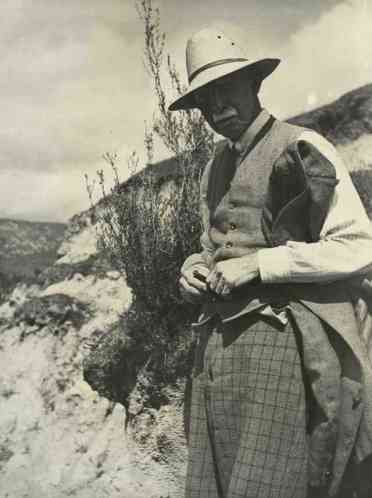 It seems both ironic, yet at the same time intensely appropriate to me that New Zealand’s first major environmental publication was written by a farmer – one of the many who helped to so dramatically transform the land into the landscape we take for granted today.
Tutira: the story of a New Zealand sheep station (1921) was written by William Herbert Guthrie-Smith about his sheep station in the Hawkes Bay [click here to view location]. In particular, he chronicled – with meticulous detail – the way he developed the land, and the implications that these “improvements” had for the ecological, hydrological and geological systems that had functioned within the landscape for thousands of years.
Tutira became an internationally acclaimed classic of ecological writing, and is generally seen as New Zealand’s first major environmentalist publication. Continue reading
Share this:

The Lorax: a timeless environmental parable
 It is strange to me that, long before I associated myself with environmentalism – indeed, long before I even knew what “environmentalism” meant, I loved the story of the Lorax. This is even more strange considering that at six or seven years old, I had no inkling whatsoever of the allegorical brilliance of the story. But I remember vividly the brightly-coloured book cover on my childhood bedroom bookshelf as though it had always been there.
Selfishly however, when my two-year old son reached for the book at bedtime recently, my heart sank. I knew how wordy the Lorax was, compared to say, “The Dancing Tiger” or “Farmer Jim’s Truck” (the latter a remarkable 35 words!), and as it was the third story for the night, I was quite keen to slip away and have a little bit of “down-time” myself. I was also worried that my son might be a little too young to appreciate the story. Continue reading
Share this:

Saving our last riverine forest – the era of scenery preservation
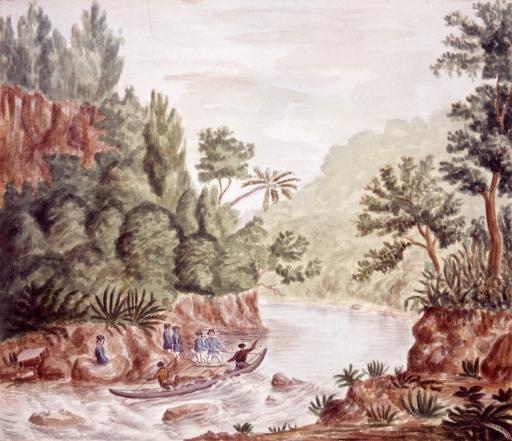 In Nga Uruora – Ecology and History in a New Zealand Landscape (Chapter 3 – “The Riverbend”), Geoff Park tells the history of the riverine forests of Mokau, a river which flows from its source in the forest on the slopes of the Rangitoto Ranges, out to sea at the Taranaki Bight, just north of the boundary between Taranaki and Waikato [click here to view map]. Here is one of the very few places left in the North Island where coastal forest remains intact down to the sea. Continue reading
Share this:

Canterbury Plains: an ecological “ground zero”
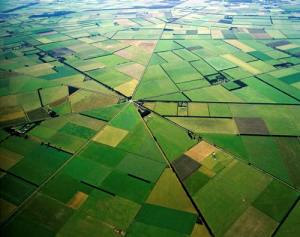 An article in the New Zealand Listener by Rebecca Macfie is entitled “Nature ground zero” and describes an initiative in Canterbury to give “a new lease of life” to “the devastated native flora of the Canterbury Plains” [click here to read article]. The initiative is to identify and encourage the reintroduction of indigenous plant species which provide “ecosystem services” such as the provision of pollen and nectar to attract beneficial insects, improved soil health, weed suppression, the control of pest insects, and greater biodiversity. The project is focused on the Waipara Valley of Northern Canterbury, which is renowned for its vineyards, but has potential to be applied across Canterbury. Continue reading
Share this:

Akatarawa Valley – last refuge of the huia
 Today, the Akatarawa Road between Waikanae and the Upper Hutt provides a beautiful scenic route through rugged native forest and forestry country, with views across the valley out to sea [click here to view location]. The road largely follows the Akatarawa River, which joins the Hutt River north of Upper Hutt. Continue reading

 envirohistory NZ