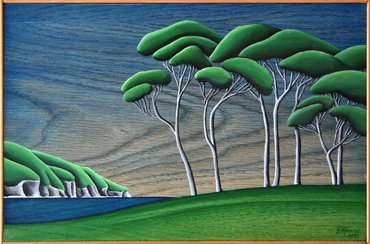
 I was recently recommended the book “Living with Natives – New Zealanders talk about their love of native plants”, jointly edited by Ian Spellerberg, professor of nature conservation at Lincoln University and Michele Frey, an environmental planner. In the book, 44 New Zealanders, from politicians, artists to farmers and business people, talk about their relationship with native plants through short essays accompanied by plentiful photographs (and paintings, in the case of artist Diana Adams – see painting left). Each essay ends with tips about growing natives from the author, many of them very wise – and some even profound! Continue reading
commentary

Manawatu Estuary: “muddy wasteland” to “Wetland of International Importance”
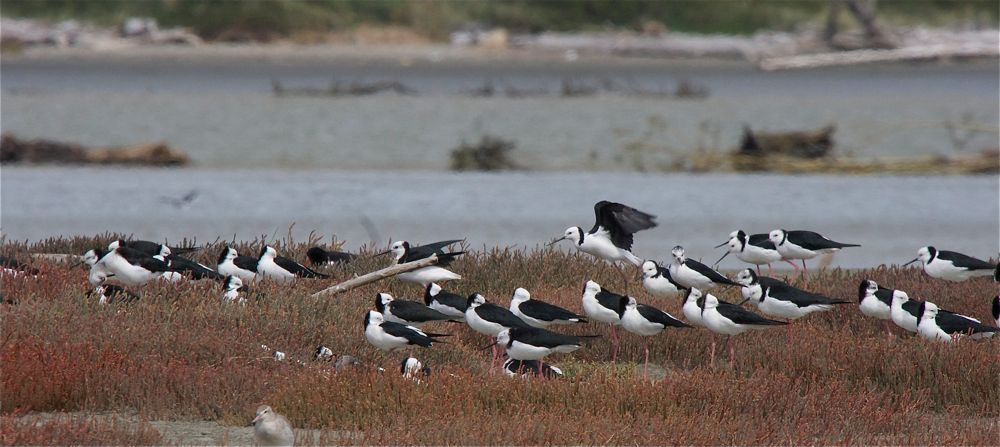
The Manawatu Estuary has transformed significantly over the last century or more. In the 1800s, the mouth of the Manawatu River reached the sea several kilometres north of where it flows into the sea today. With the arrival of Europeans in the latter half of the 19th century, and the foundation of the town of Foxton, it soon became a bustling port. However, with the strong southward current depositing much sand on the coast a spit has gradually grown and the mouth of the river has slowly moved southwards. Today, it is used by recreational boaties but has long since lost any commercial significance as a port. Continue reading
Share this:

Could blackberry jam have become NZ’s biggest export?
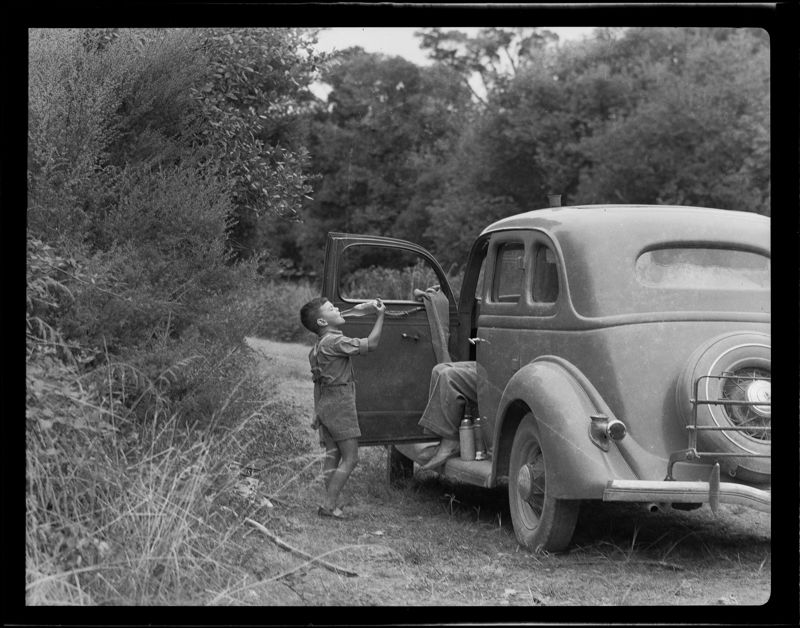 No, not really – but this is what one Manawatu farmer suggested might happen if the plant was allowed to spread any further through the district and the country.
So serious was the issue by the 1920s, that noxious weeds (including gorse and blackberry) were a hot topic at a Farmers Union Conference in Feilding in 1928. As one concerned delegate somewhat facetiously put it: “Unless the blackberry pest is taken in hand seriously by the Government the main exports from New Zealand in years to come will be blackberry jam and farmers”.
Share this:

Burning New Zealand’s forests
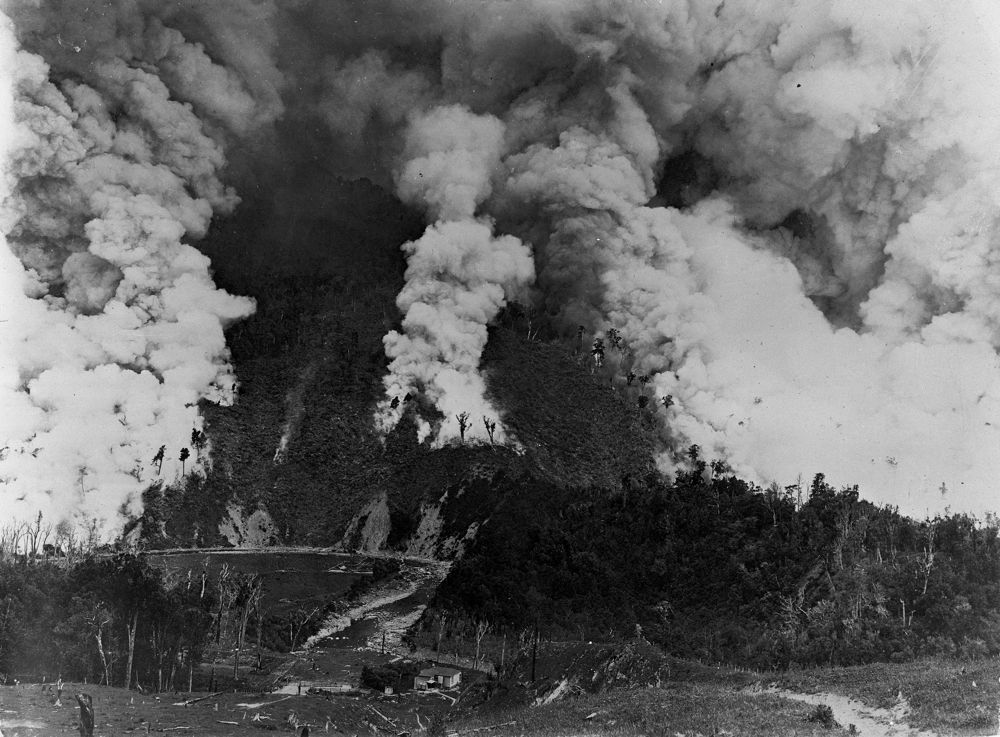 Of all the photographs I have seen relating to New Zealand’s environmental history, this is one of the most powerful. It shows the beginnings of a bush burn off at Puketora Station on the East Coast of the North Island in the early 1900s. This fire destroyed the indigenous forest over 30,000 acres, to make way for farming (probably of sheep). Continue reading
Share this:

What has become of the “great naturalists”?
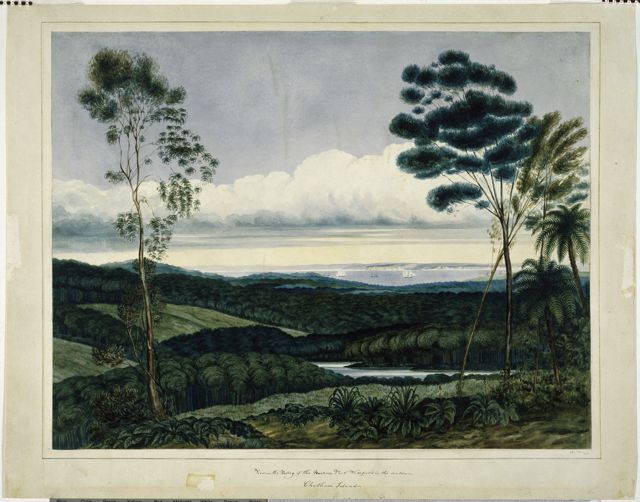 I have been reading about the debate and discussion related to forest destruction and preservation in the latter half of the 19th century, and what strikes me most about this debate is the character of the men that took part in it. These were the likes of William Travers (1819 – 1903, lawyer, politician, naturalist and explorer), Thomas Potts (1824 – 1888, politician and naturalist), Charles Heaphy (surveyor, artist, explorer, soldier, politician), Harry Ell (1862–1934, politician, soldier, conservationist) and Leonard Cockayne (1855 -1934, botanist). Continue reading
Share this:

The fungus, the Chinese trader, and how they helped the Taranaki dairy industry
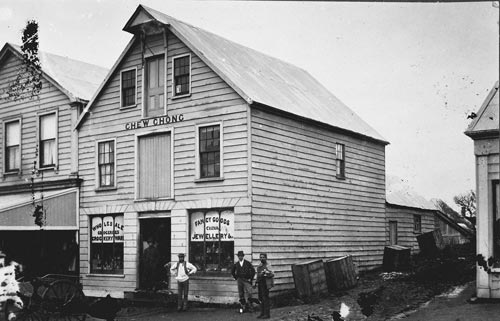 I have been reading Kenneth B. Cumberland’s “Landmarks” (1981), a story of the human transformation of New Zealand. One of the many characters who makes his appearance in this story is Chew Chong, a pigtailed pedlar who had come to Otago, New Zealand in 1867, during the gold boom. He eventually made his way up to Taranaki, where a fledgling dairy industry was becoming established. Continue reading
Share this:

Did European settlers loathe the forest? (Part 2)
 This post follows on from the previous post Did European settlers loathe the forest? While I am largely satisfied with the idea that European settlers destroyed the forest driven by the need to make productive use of the land, rather than any deep-seated loathing of it or what it represented, this still does not explain the extent to which forest – lowland forest especially – was destroyed. It was, by and large, decimated. Continue reading
Share this:

Did European settlers loathe the forest?
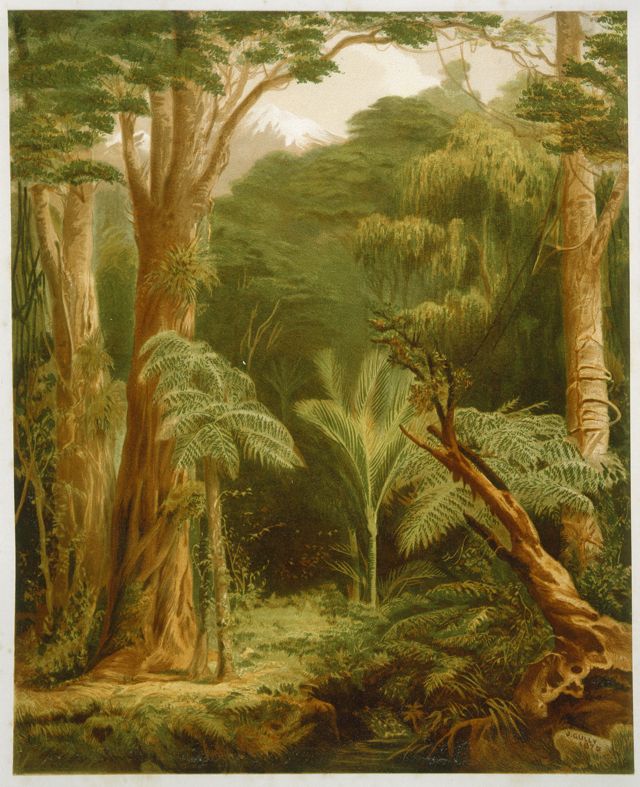 In 1969, geographer Paul Shepard published a monograph entitled “English reaction to the New Zealand landscape before 1850”, in which he explored the various attitudes of English immigrants towards the indigenous landscape, particularly the forest, in this early settlement period. He review of the written accounts by early settlers and observers found that the most prevalent view of the forest was negative: it was described as “dreary”, “dismal”, “gloomy”, and seen as the antithesis of civilization and morality.
Since then, a number of historians and historical geographers have explored this question further, including Jock Phillips in his 1981 paper “Fear and loathing of the New Zealand landscape”, and Paul Star in his 2003 article “New Zealand environmental history: a question of attitudes”. Continue reading
Share this:

Moon over Paekakariki Hill
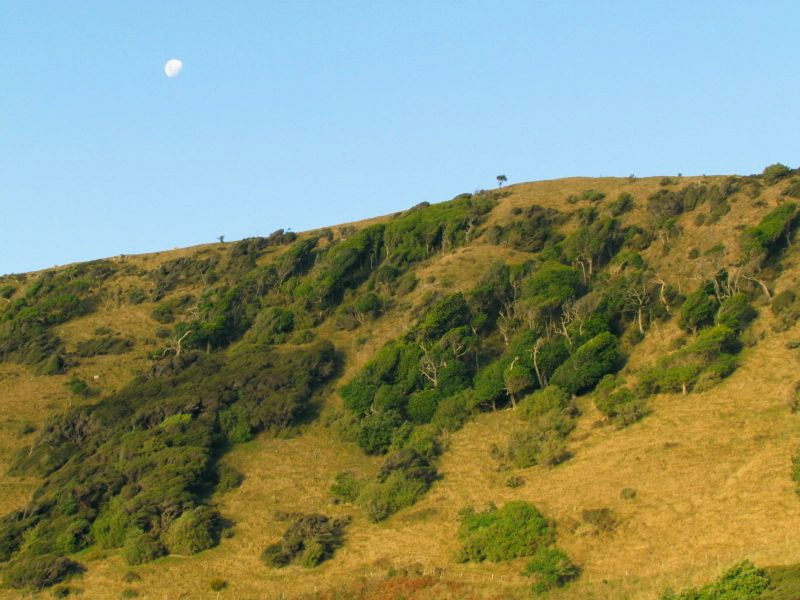 My son and I took a walk through the Paekakariki Domain this afternoon, which provides a good vantage point from which to view the Paekakariki hills [click here to view map].
These hills rise steeply from the eastern side of the State Highway, creating a dominant backdrop to the town of Paekakariki. Rugged and raw, rather than picturesque, with their wind-gnarled scrub and angular contours, I have always found them alluring. Continue reading
Share this:

Reikorangi: walking the bush tramway (into the past … and future?)
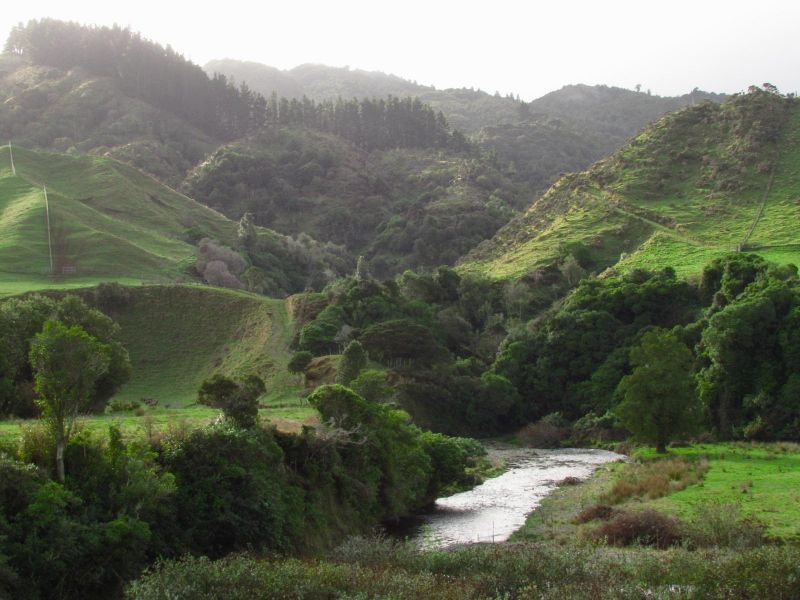 My son (3 and a half) requested that we go for a drive this afternoon. I asked where he would like to go, and he said he would like to walk in the forest. (Truly his mother’s son!)
So, we headed into Reikorangi Valley and followed Mangaone South Road, where the southern end of the Mangaone Walkway is accessed. The last time we had explored this track (when my son was about two), we only got as far as the swing bridge (50 metres in), before becoming ensconced by the river, experimenting with the myriad different ways stones can be thrown into the water (<– irony). So no actual bush-walking was undertaken on that occasion. Continue reading

 envirohistory NZ