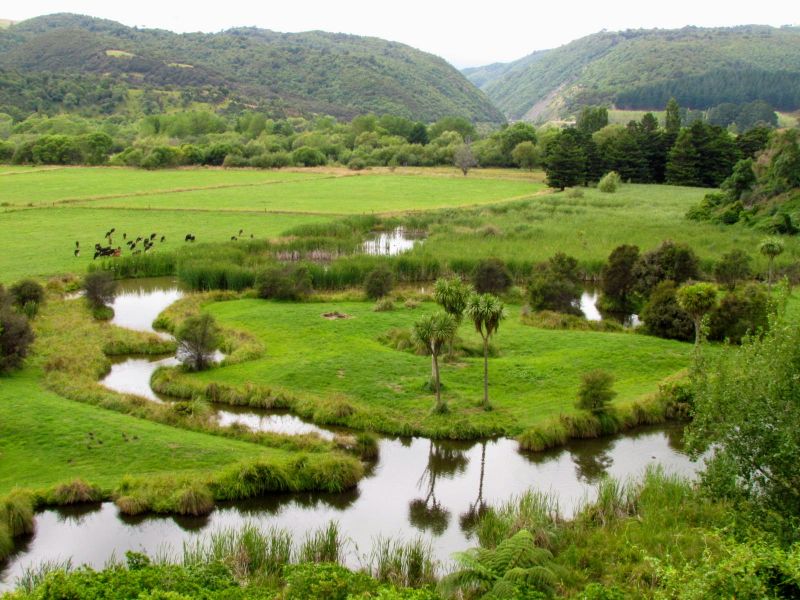
Though we often hear about wetland restoration projects, the Ashhurst wetland, on the river flats below the Ashhurst Domain [click here to view location] is not a case of “restoration” in the normal sense. Continue reading
Though we often hear about wetland restoration projects, the Ashhurst wetland, on the river flats below the Ashhurst Domain [click here to view location] is not a case of “restoration” in the normal sense. Continue reading

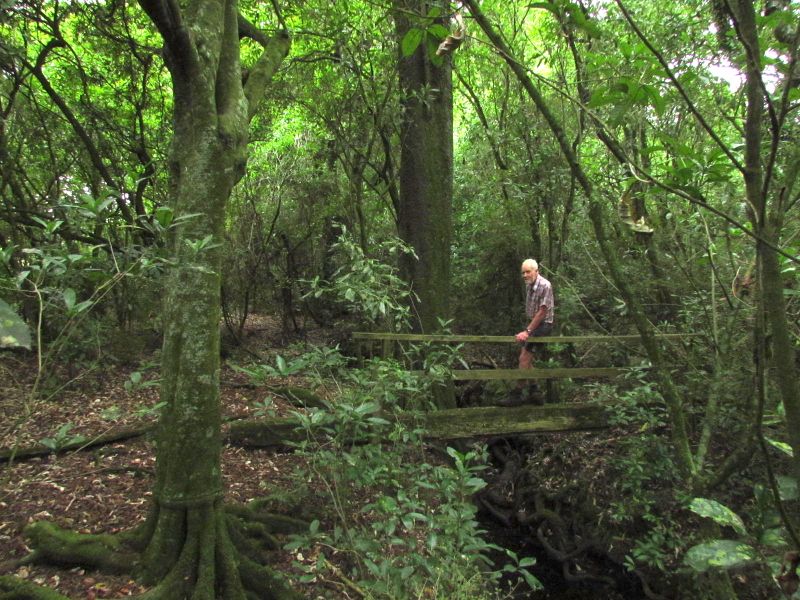
A few days ago, I had the privilege of visiting a piece of remnant forest on the plains between Manawatu and Rangitikei Rivers [click here to view location]. The bush was set aside by George Dear, an immigrant from Bedfordshire, England, who became one of the first settlers in the Rongotea district. Continue reading

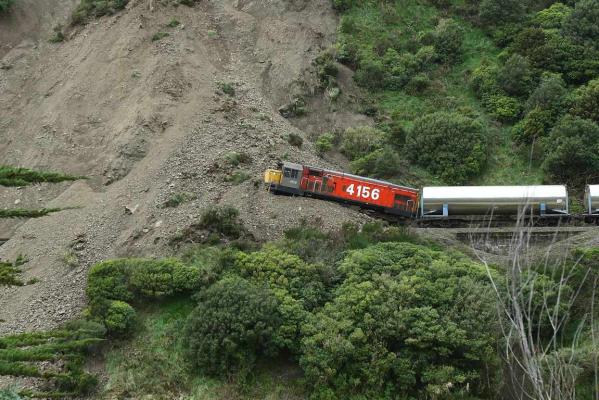
Reading a recently published environmental studies text book the other day (New Environmentalism, by Chris de Freitas and Martin Perry), I was reminded of a rather alarming statistic:
New Zealand loses between 200 and 300 million tonnes of soil to the oceans every year. Continue reading

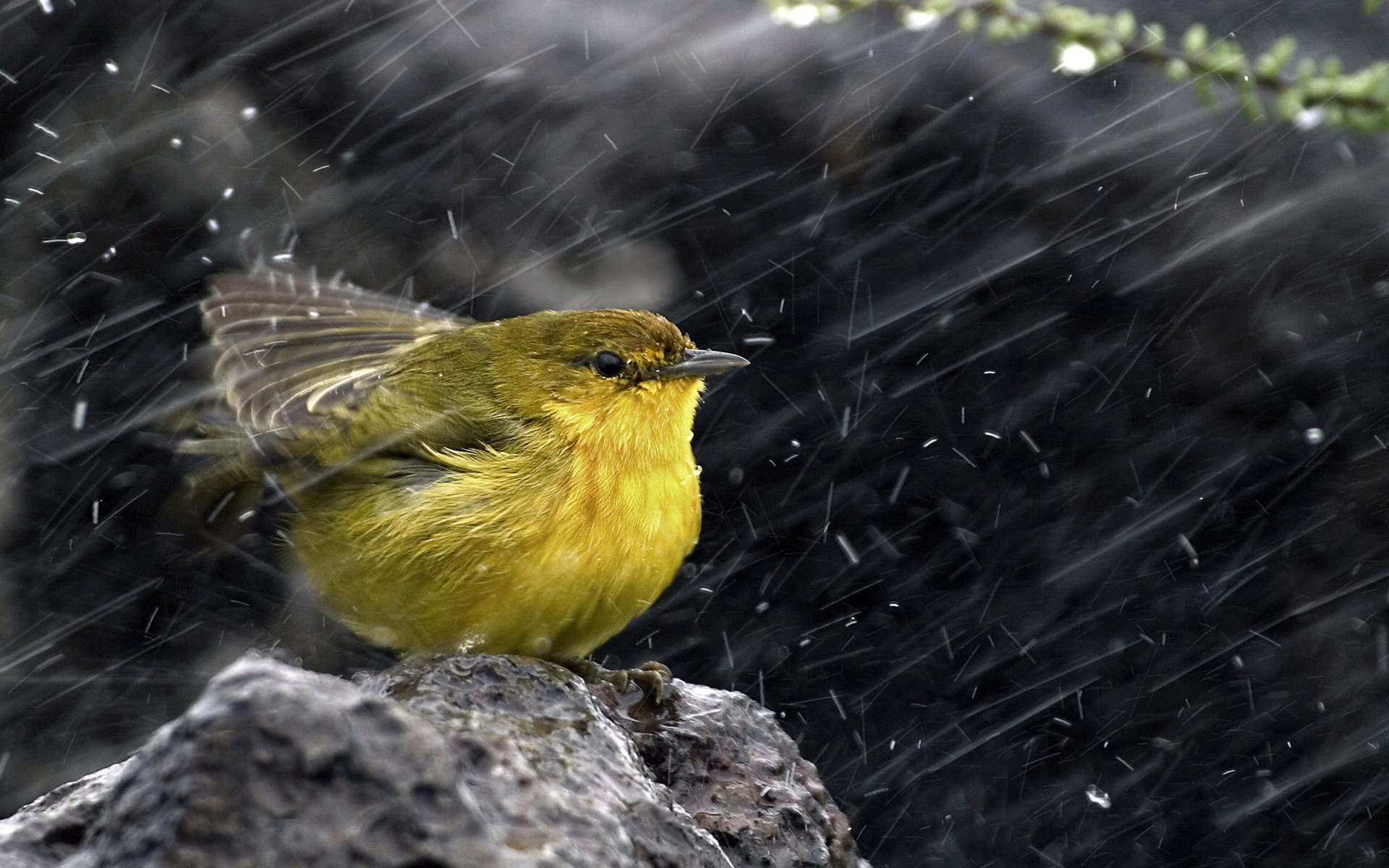 Yesterday dawned an overcast but warm day. A fine, summery rain began to fall after breakfast, the kind of rain that is not at all unpleasant to walk in, or turn your face up to. I found it quite refreshing, and was a little disappointed when I could see it was starting to clear. But when I went to my gym class that morning, the instructor ran through her usual greetings, and then declared with surprising intensity (in contrast to her usually serene demeanor, befitting of a yoga instructor) – “I hope it is fine for Christmas and we have no more of disgusting weather!” Continue reading

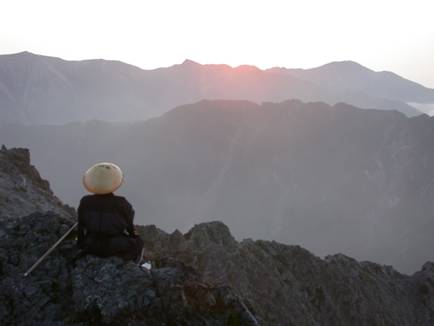 Today I watched a recently released documentary film Shugendo Now, which aims to provide the viewer with “an experiential journey into the mystical practices of Japanese mountain asceticism.” While identified as a documentary, the film is more like watching a moving work of art – with minimal narrative, the documentary-makers take the role of observing rather than judging or interpreting, leaving the viewer to draw their own conclusions or to simply “experience” the film.
While environmental history tends to be a predominantly intellectual exploration of the human relationship with the environment, this film reminded me of the myriad other ways human beings can experience the environment. Continue reading

L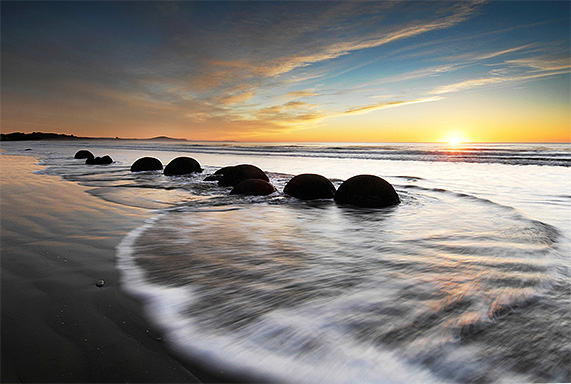 ast week I attended the New Zealand Geographical Society Conference, where I presented on bush burning in the Manawatu. It was an excellent opportunity for those interested in environmental history/historical geographies, with a whole day of panels dedicated to these themes, including a panel focused on the life and works of Kenneth Cumberland (who although a geographer, explored historical geography through much of his work). Continue reading

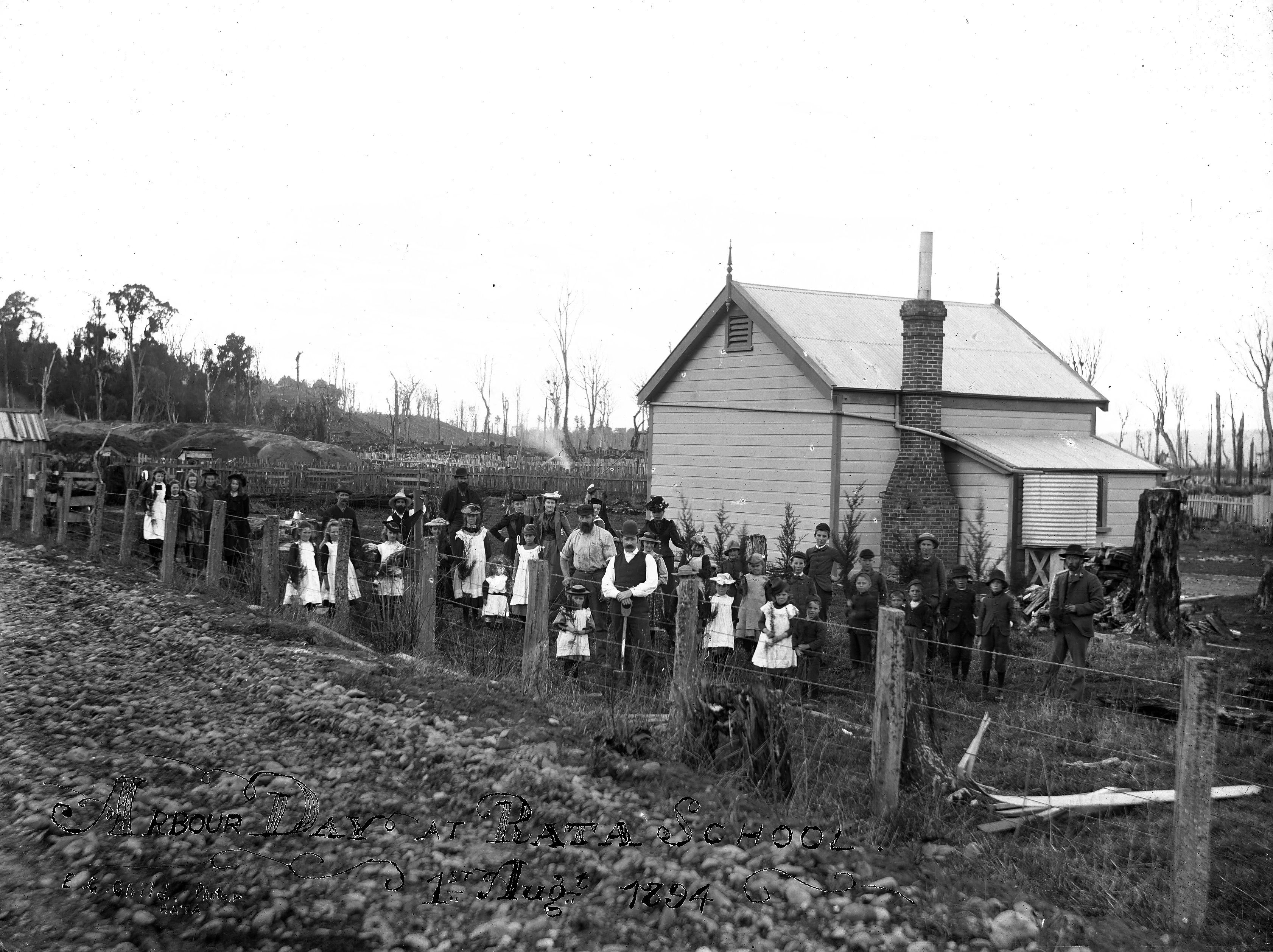 Recently I read J. Donald Hughes’ “What is Environmental History?” This is an excellent little introductory book, aimed primarily at those relatively new to environmental history – whether it be students, those specialising in other disciplines, or non-scholars who have an interest in environmental history. Having never studied environmental history in a formal setting myself, the book provided useful context.
The book is very accessible and unthreatening to even the non-academically inclined in its content as well as its slimness – “models”, “paradigms” or “axioms” are rarely mentioned, and “post-modernism” is only mentioned once, as I recall! Continue reading

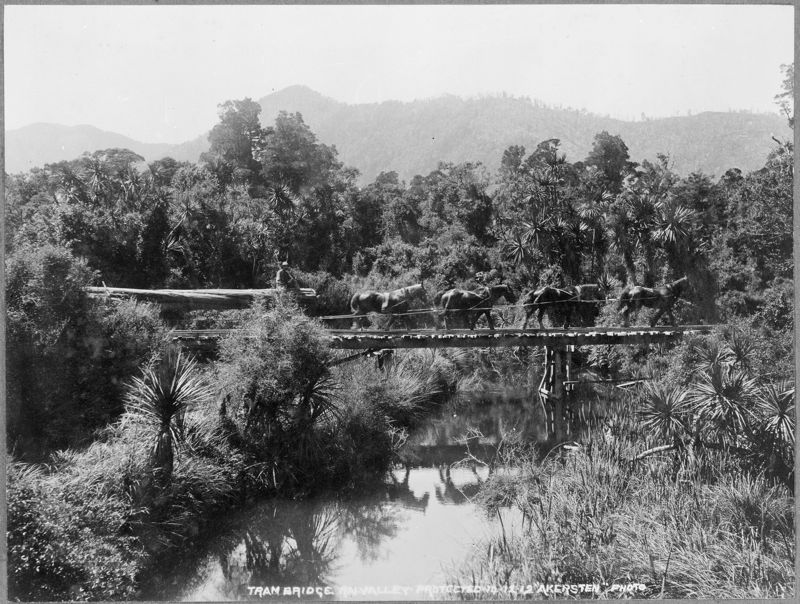
We tend to think of battles for the preservation of indigenous nature in New Zealand as a phenomenon of the last few decades, particularly since Manapouri. However, these battles have been going on in New Zealand well beyond our lifetimes. One early example is the battle for the Rai Valley, located between the South Island towns of Nelson and Blenheim [click here to view location]. This was classic example of the tension between development versus preservation that continues to be a central to New Zealand’s environmental history to this day. Continue reading

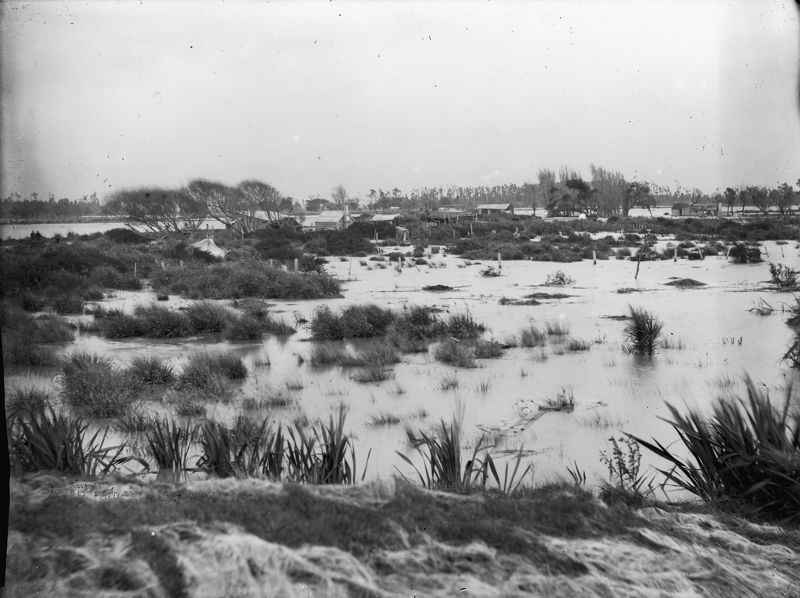 At first, “swamp fires” might seem like an oxymoron, and I was certainly surprised to read about them when I read Suspended Access, the history of the Opiki toll bridge. In this history, Molly Akers relates how, as the floodplains around the lower Manawatu River were drained to stimulate flax growth for milling, peat fires in the swamp became a continual menace. What makes peat fires unusual, in comparison to forest or scrub fires, is that they burn underground. Continue reading

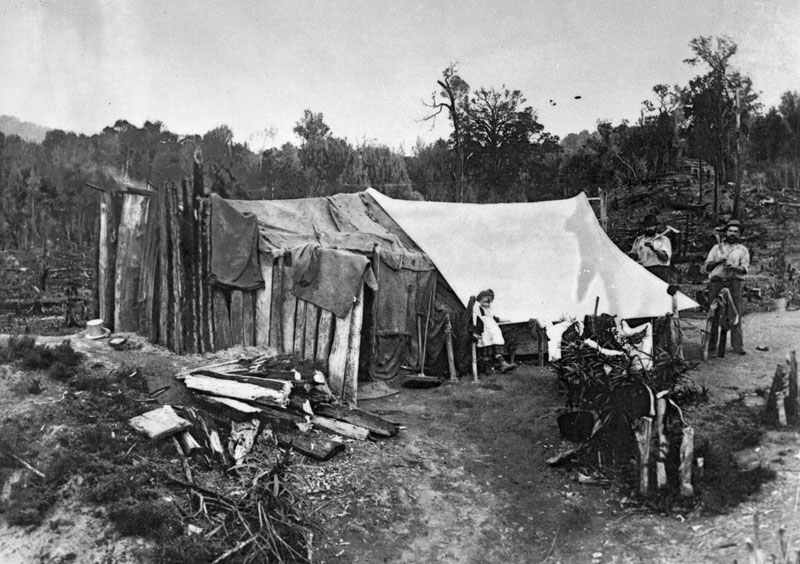 How did the Manawatu transform from a densely forested environment in 1870 to a pastoral landscape by the turn of the century?
The answer, which will be explored in a lunchtime talk on 8th November, as part of the 2012 Manawatu Local History Week, is “fire”. Continue reading

 envirohistory NZ