What’s the best title? Please vote!

I am getting super-sophisticated now! I realised that there is a poll function in WordPress, and thought, what better opportunity to try it out! This should make it easy for everyone. And, it also allows you to give me your fantastic ideas. (Feel free to post your comments too.) Please see previous post What’s in a title? Your ideas please! for background.

Also see: A racy title is one thing, but what’s the book actually about? for a synopsis of the book.

Note that the following options are the title only; the subtitle will be “An Environmental History of the Manawatu”

What’s in a title? Your ideas please!

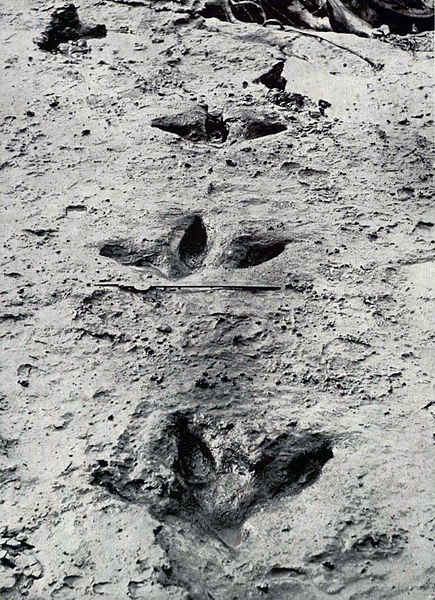
moa-footprints-1912
The moa footprints discovered in 1912 on the banks of the Manawatu River. This photograph was included in the report of the discovery, published in the Transactions and Proceedings of the Royal Society of New Zealand.

It’s been a bit quiet on the blogging front lately, as I have been busy getting as much writing done on my book as I can before the Claude McCarthy Fellowship I was so fortunate to receive finishes. The book examines the environmental history of the Manawatu Region, in the lower North Island of New Zealand, from pre-history through to today (see: Manawatu’s environmental past to be documented), and I have been working on it (between work, family and life) for a couple of years now. (See: A racy title is one thing, but what’s the book actually about? for a synopsis of the book.)

Making progress on writing has been further challenged by the arrival earlier this year of our baby girl, Caitlyn. Caitlyn is known to make her feelings very clear when I spend too much time staring at the screen of my laptop, rather than gazing at/playing with/talking to her. Continue reading

The “turbulent” history of wind farms in the Manawatu

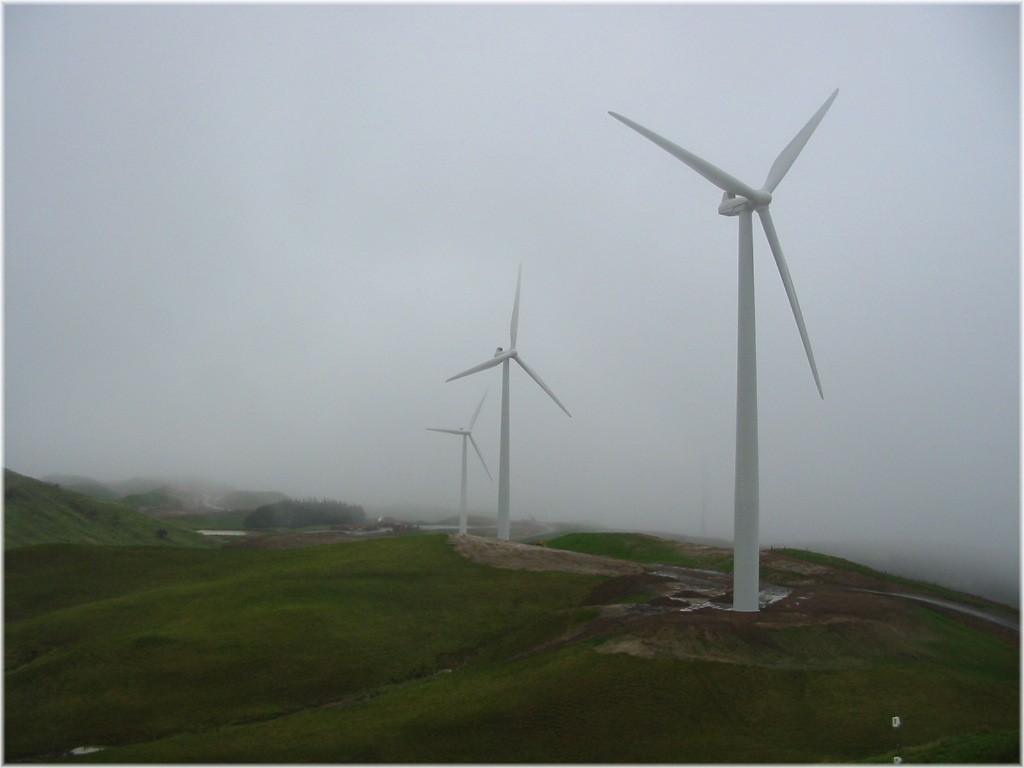
Te Apiti wind farm
Te Apiti wind farm, near Ashhurst. Photo by Ashhurst.org.

One of the topics I have been researching for my book documenting the environmental history of the Manawatu Region (see: Manawatu’s environmental past to be documented) are wind farms. This is a fascinating story, not so much because of the wind farms themselves, but in terms of the clear evolution in thinking around wind farms. The contrast between the public response to the early wind farms in the Manawatu and the later ones could not be more dramatic. Continue reading

Sculptural encounters with nature

On a walk with my family along the beach from Pukerua Bay yesterday, I encountered three kinds of sculptural form: only one of which was a “sculpture” in the more conventional sense. The others were created by humans and nature, but all were equally impressive, giving the sense we were walking through some kind of outdoor art gallery.

This slideshow requires JavaScript.

Discovering our own “sacred groves”

Mt Haguro Shrine Annie Wu Epoch Times.jpg
Mt Haguro Shrine, Japan. Annie Wu/Epoch Times.

When I lived in Japan, I took great pleasure from visiting Shinto shrines. Though I am not a religious person, there was something very spiritual and calming about these places. They were a place of solace and quietude. Shrines were sometimes only very small and simple affairs – often hidden in an unexpected corner of a bustling urban landscape. Continue reading

Drama over Kapiti Island

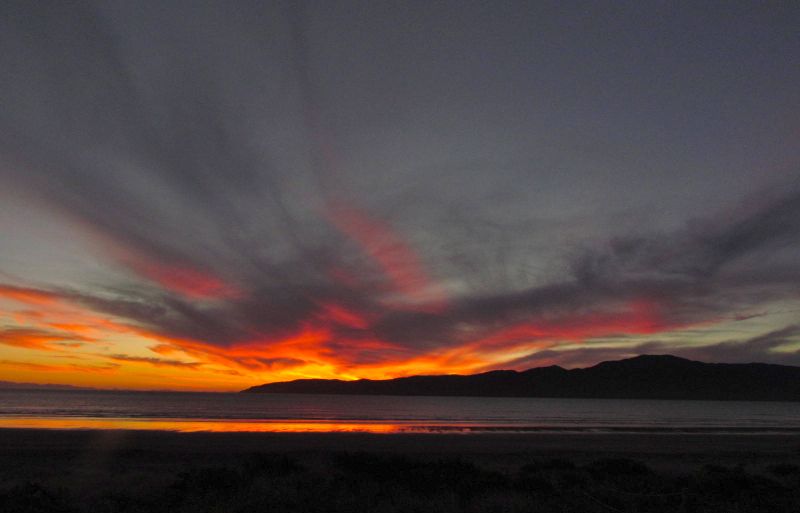
IMG_3280And, in continuation of this ad-hoc series of it’s not always about environmental history, here is a shot of Kapiti Island a few minutes after the previous one.

The South Island from the North Island

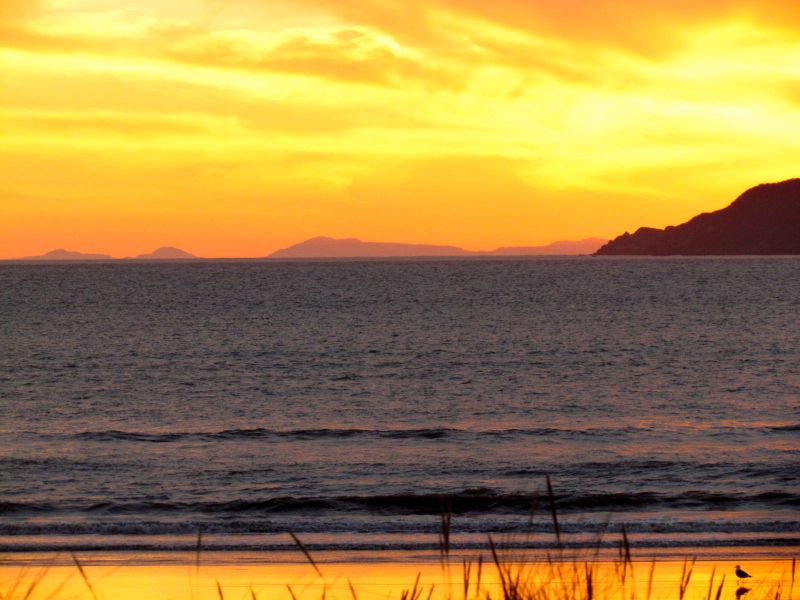
Sunset South IslandThis is another example  of “it’s not really about environmental history“, but I couldn’t resist sharing this shot taken from Paraparaumu beach at sunset yesterday. In the foreground is Kapiti Island, and in the background is the top of the South Island – a reminder that a not insignificant amount of the South Island is in fact further north than the lower end of the North Island. This maybe highlights the perils of naming a place after a seemingly self-evident geographic characteristic – but then, “Mostly South Island” and “Mostly North Island” does seem a bit clumsy. Perhaps “Middle Island” was more accurate after all!

A precious forest remnant of the Taonui basin

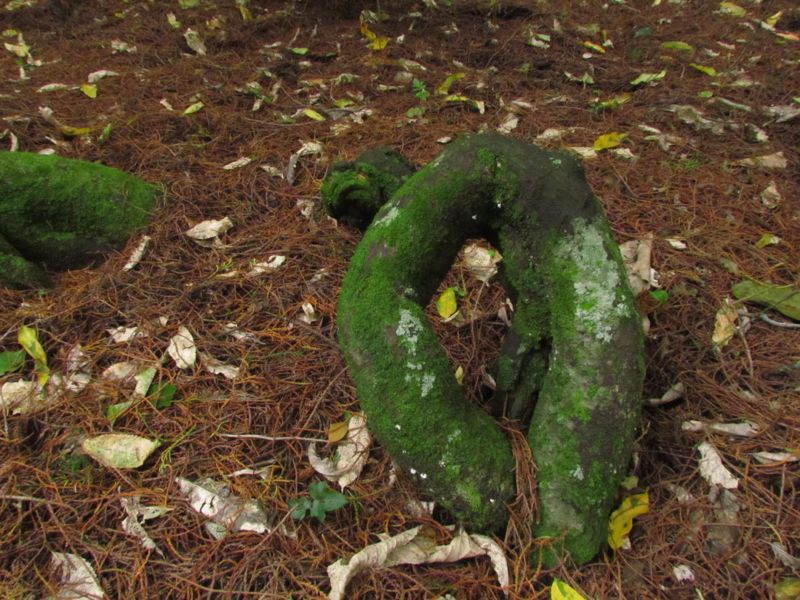
Kahikatea rootLike intriguing fibrous sculptures emerging out of the forest floor, these are parts of the buttressed roots of a kahikatea, or white pine. Kahikatea is one of the main canopy species of the semi-swamp forest which once grew on the flood plains of the Manawatu and throughout the country [see also: The slaying of our kahikatea forests: how Jurassic giants became butter boxes]. Continue reading

The Hautere seagulls

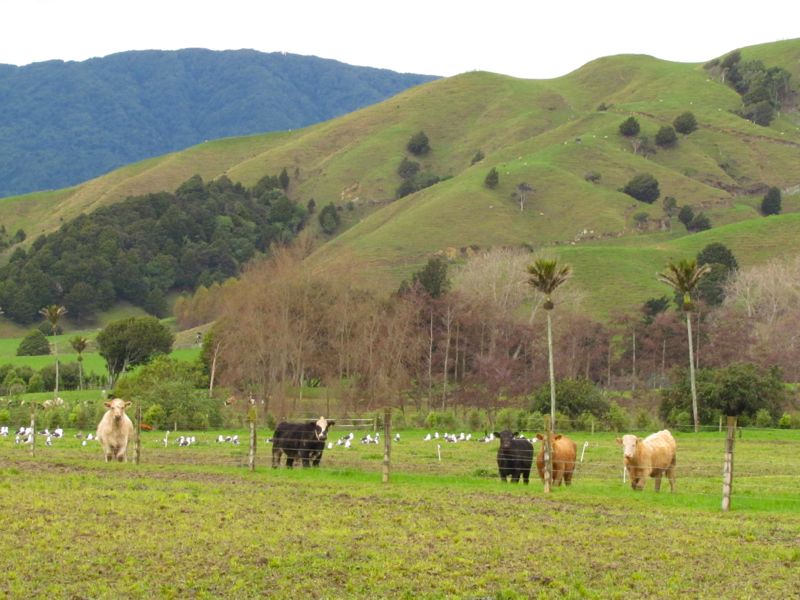
Hautere 1This is a farming landscape that captured my attention while driving along Te Horo Hautere Cross Road yesterday.

This particular location is “Hautere”, just inland from the better known location of Te Horo. We know Hautere by its stone “turnips”, likely brought down from the ranges from a once more powerful river. Continue reading

More about seasonal change (fungi)

fungi forestOn the subject of seasonal markers, fungi are another sign of the arrival of autumn. Both my four-year old son and I have been delighted by the fungi that seemingly appear overnight under a copse of pine trees near our home. Continue reading