 A little late, but hopefully none the worse for it, here are the top five posts for the second quarter of 2010. Two of this quarter’s top 5 were also in the top 5 in the first quarter: Our favourite Californian – the history of the Radiata Pine forestry in NZ came in at number 1 last quarter, while Manawatu River – pollution concerns date back to 1890 came in at number 2. However, this quarter, they have been upstaged by the history of mining story Continue reading
Author: envirohistory NZ

When two landscapes collide
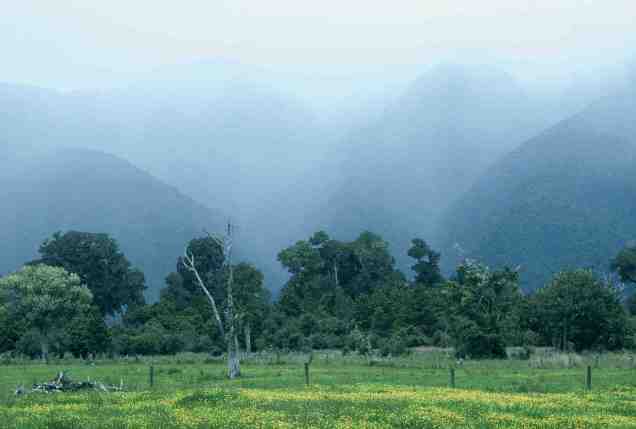
Of all the beautiful landscape photos that highly accomplished photographer and friend Rainer Kant took while he lived in New Zealand, this must be one of my favourites. What is particularly striking about this landscape is that Continue reading
Share this:

The attack of the killer bunny
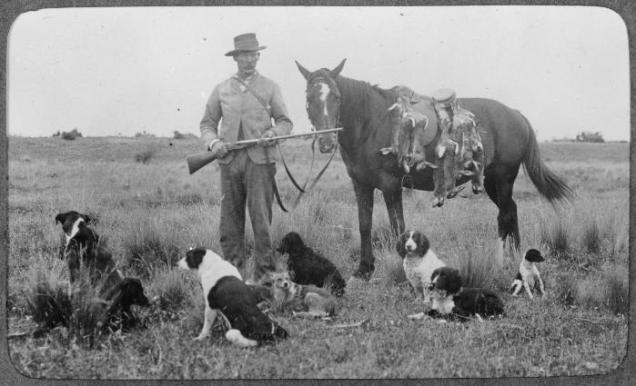
Anyone with children under five will probably be cognisant of the fact that while rabbits can be very nice, they can also be very bad – Bunnytown’s “Little Bad Bunny” is undeniable evidence of this fact.
Also providing ample evidence that rabbits in the wrong place at the wrong time can have a devastating impact on the environment, the economy and peoples’ livelihoods is the rabbit’s history in New Zealand. Its history here began in the 1830s; the first certain record of its introduction dating to 1838. Continue reading
Share this:

View of Tararuas from “the land of the great landslide”
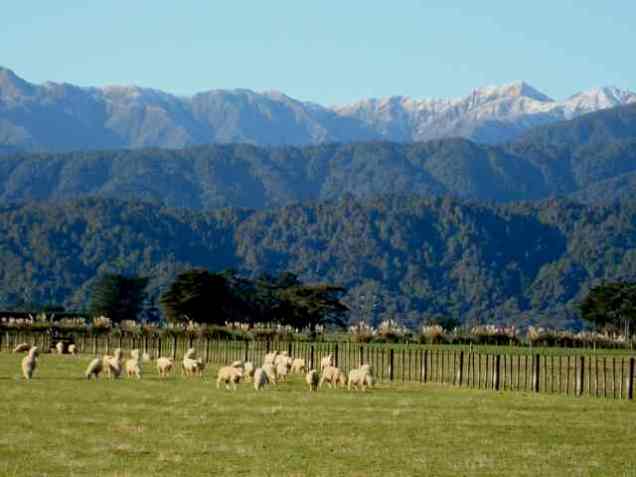
This photo is taken from State Highway 57 on the south-eastern side of Levin, in the southern North Island district of Horowhenua [click here to view approximate location]. In the foreground sheep graze, while the in the background, the bush-covered foothills of the Tararua Ranges, then the Ranges themselves – capped with a light sprinkling of the first winter snow – can be seen. Continue reading
Share this:

Creating our own Totara Reserve in Pohangina
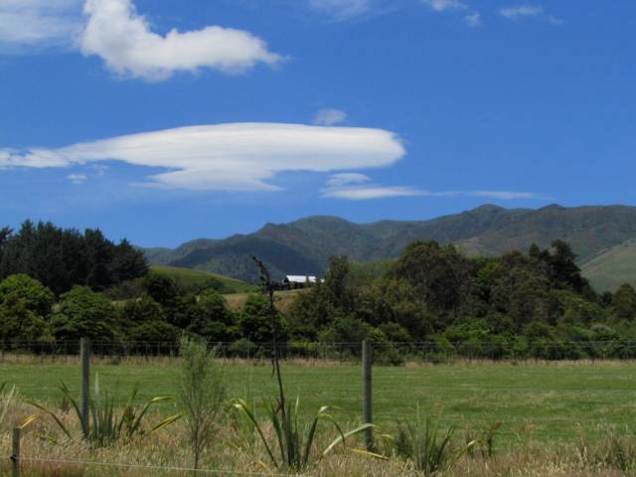 For a long time before I met my husband it had been my dream to find a block of land with remnant bush (indigenous forest) on it and regenerate the bush using locally sourced species. Not long after meeting my would-be husband, I shared this dream with him, and he responded – “That is my dream too!” … Continue reading
Share this:

Drama and history in a southern Wanganui farmscape
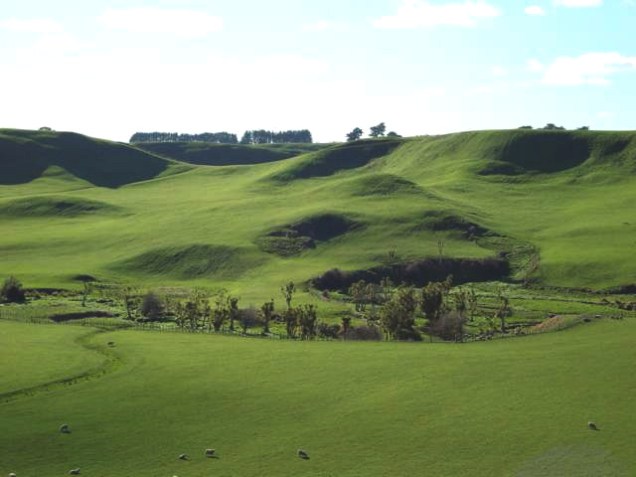
This photo of a pastoral farm is taken from the roadside of State Highway 3, about 10km south-east of Wanganui City [click here for location]. Hollows in the irregularly formed hillsides attract shadows which gives the landscape an alluring sculptural form, and hints at an intriguing geological history … perhaps the effects of volcanic activity? Continue reading
Share this:

Need a job done? See new “Services” page
 A new Services page outlines the services that are now on offer by Catherine Knight, the convener and primary contributor to the envirohistory NZ website. These services include: research, policy and analysis, writing, editing, proofreading and Q&A. Catherine is also able to offer expert Japanese to English translations! See the Services page for more details of services and to view Catherine’s portfolio.
Share this:

Adventures in environmental history: flax, kidnapping & convicts
envirohistory NZ has launched a new page, and a new project: a timeline of New Zealand’s environmental history. This timeline will track developments or events which had significant implications for the New Zealand environment from first settlement of the islands by people from the Polynesian islands, through to today. It will be developed incrementally over time, and comments and contributions are always welcomed.
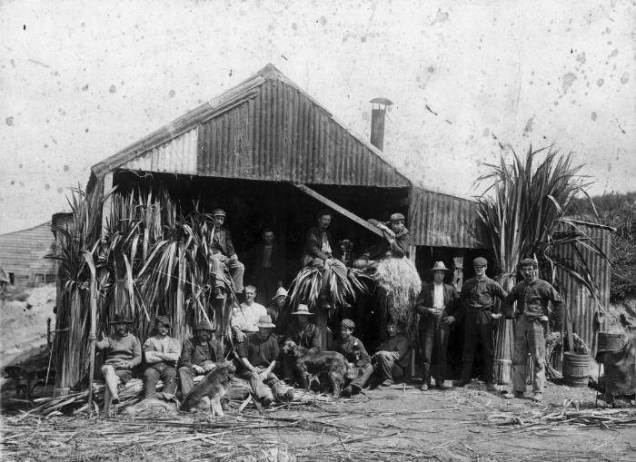
A lesson from 1793 – How not to set up a flax industry:
1793 saw the first attempt to set up an industry to process flax, which was in demand in the maritime industry for the manufacture of ropes, canvas sails, nets and sacks. Continue reading
Share this:

The abandonment of Palliser Bay – a prehistoric case of environmental degradation?
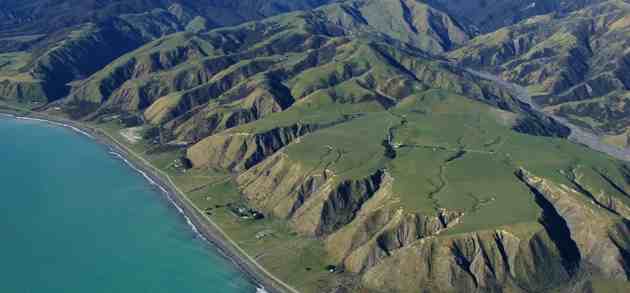 Archaeological evidence shows that Maori occupied the south-east coast of the North Island, including Palliser Bay, by the 14th century. Research in the 1970s by Foss and Helen Leach of Otago University showed that people lived in small settlements at stream and river mouths. The people were both gardeners and hunters and gatherers, reliant on what they could take from the forest, rivers, streams, coastal lagoons and the sea – the main sources of food were likely to have been small birds, fish, seals and kūmara (sweet potato). There is evidence of about 300 people in six separate communities on the eastern side of the Palliser Bay. Yet by the 1600s these settlements had gone. Continue reading
Share this:

The place of an echo: Pūtaringamotu (Deans Bush)

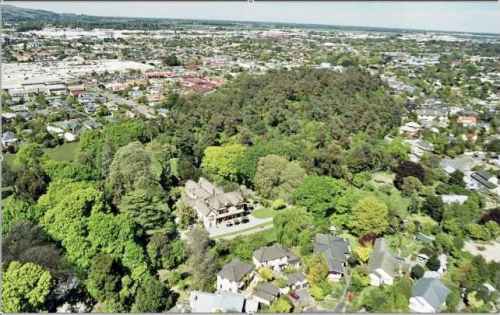 When Europeans began arriving in the Canterbury region in the early 1800s, most of the swamp forest – dominated by matai, totara and kahikatea (white pine) – that covered much of the Canterbury Plains in previous centuries was gone. It is thought that it had been destroyed by a great fire that swept across the plains during the moa hunter period, leaving only a scattered bush remnants. Continue reading

 envirohistory NZ