Wharenui: telling stories of people and place

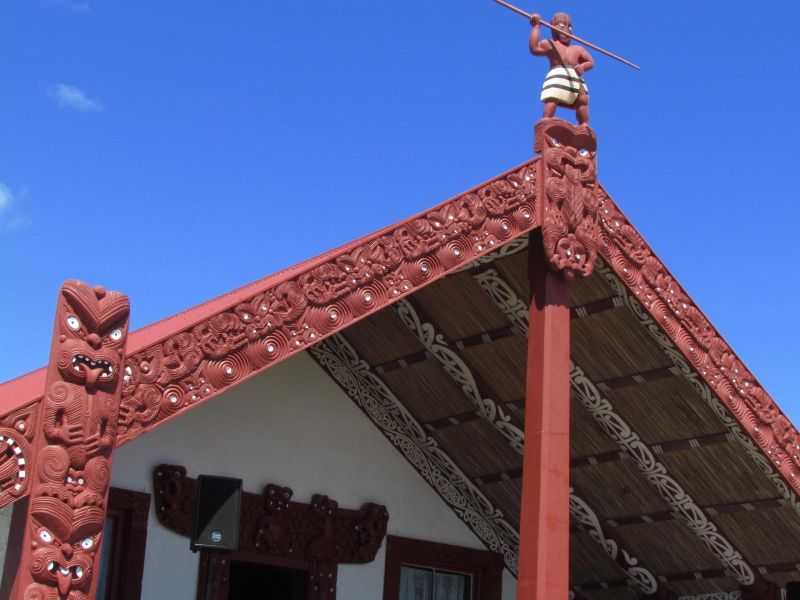
Front of the Raukawa wharenui in Otaki

On Waitangi Day (February 6th), we visited the Ngati Raukawa Marae in Otaki. Waitangi Day commemorates the signing of the Treaty of Waitangi in 1840. The Treaty is often referred to as the founding document of Aotearoa/New Zealand as a nation, and as such, is integral to New Zealand’s constitution. Continue reading

Creating a Pastoral World through Fire: the case of the Manawatu

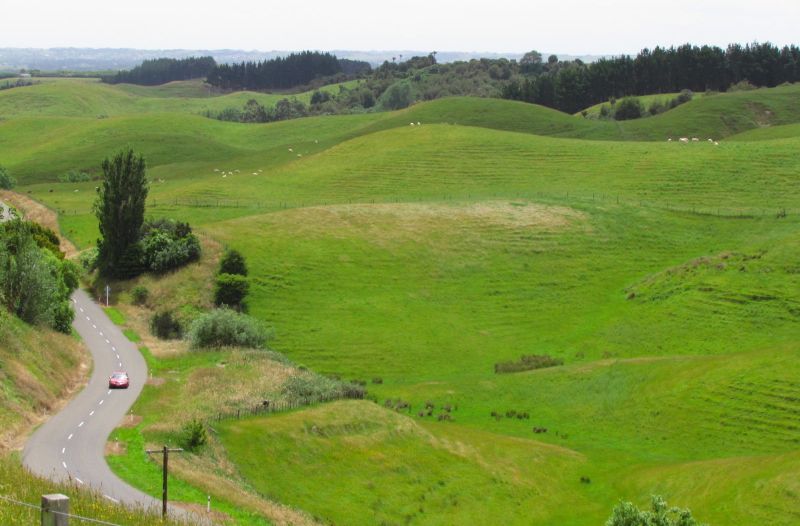
Hiwinui farmscape JPG
“Rolling hill country” of the Manawatu, a landscape created by fire. Photo: C. Knight

This article, published in the lastest issue of the Journal of New Zealand Studies, examines the role of fire in the opening up of bush country in the region of Manawatu for pastoral farming. Within only a few decades, bush burns had transformed a densely forested environment into one of verdant pasture – leaving only the charred stumps and limbs of incinerated trees as evidence of the dense, impenetrable forest that once harboured moa and other ancient forest creatures. Continue reading

Shooting ducks at an oddly historic wetland

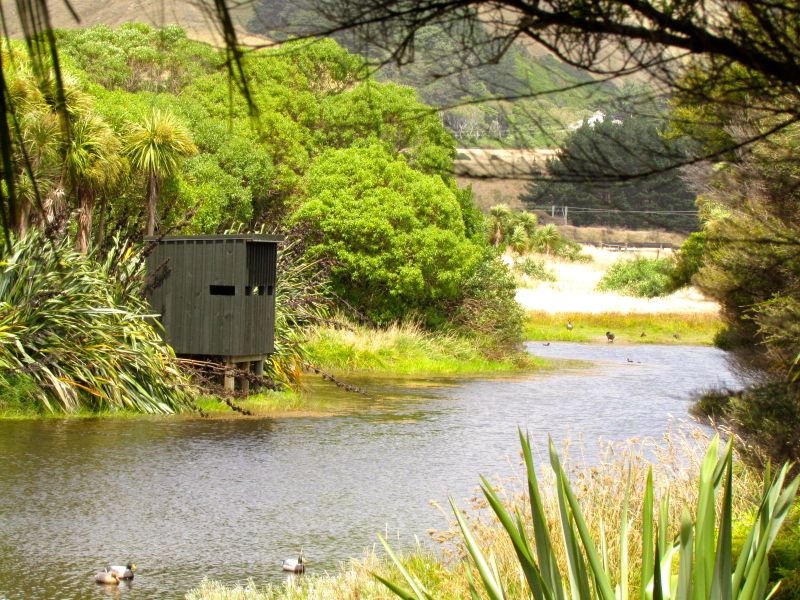
IMG_4199Yesterday, the family and I visited a newly-built bird hide at the wetlands in QEII Park, near Paekakariki (see Paekakariki: perch of the green parrot). This bird hide differs from the traditional duck-shooter’s “maimai”, in that the only shooting it provides for is with a camera. Continue reading

Landscape of juxtaposition: view from a graveyard

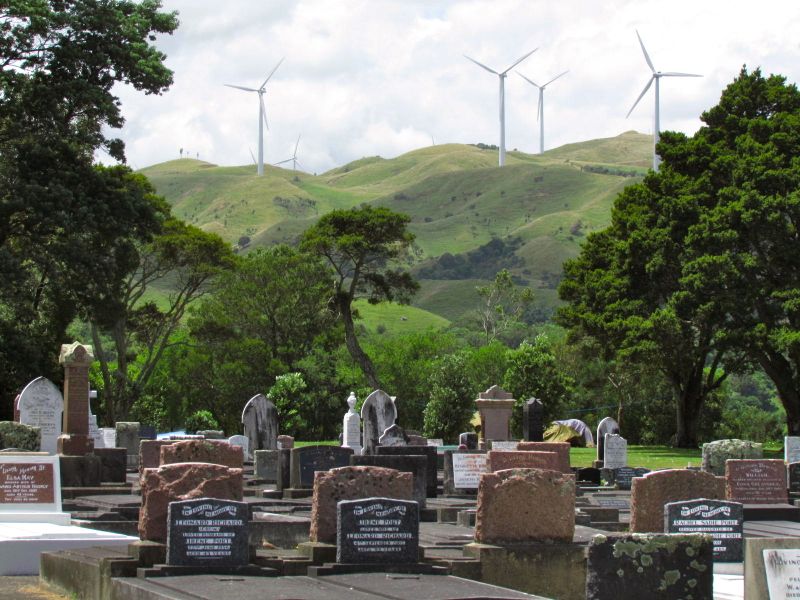
Graveyard and windmillsYesterday, we ventured out on a photography expedition for my near-complete book exploring the environmental history of the Manawatu. (See: A racy title is one thing, but what’s the book actually about?) Many adventures awaited us, including an amorous kunekune pig and his similarly friendly ostrich companion, residents of a historic farm at Karere.

At Ashhurst, I was unable to resist this landscape – a poignant juxtaposition between old and new. Continue reading

A little bit magic

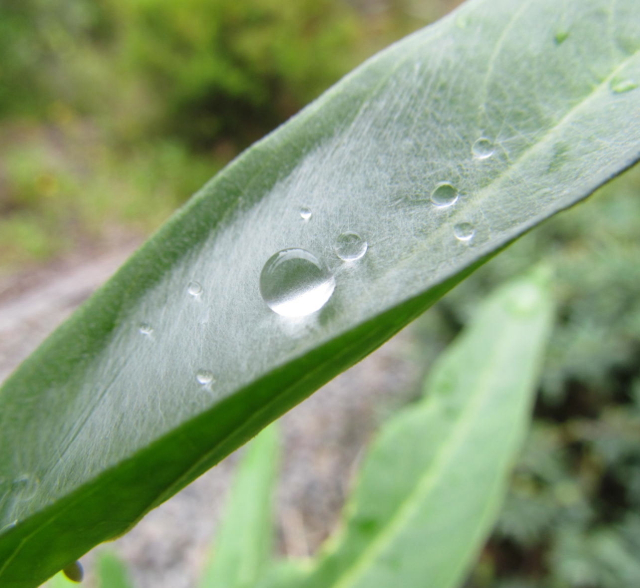
rain dropsIt is incredible what you can find to do when you should be doing something else, like going for a run.

As I attempted to leave the house this morning for my daily bout of exercise, I paused to check the swan plants for further hatchlings (see previous monarch butterfly-related posts).

As I did so, I noticed these water droplets, remnants from an overnight shower, preserved in all their spherical perfection in a tiny web constructed by some unseen spider.

Though feeling slightly guilty about delaying my run, I couldn’t resist capturing this little bit of magic with a photo.

See also: Little wonders (of nature); Sofia and her red biro

Environmental history: as much about the future as about the past

Manawatu River
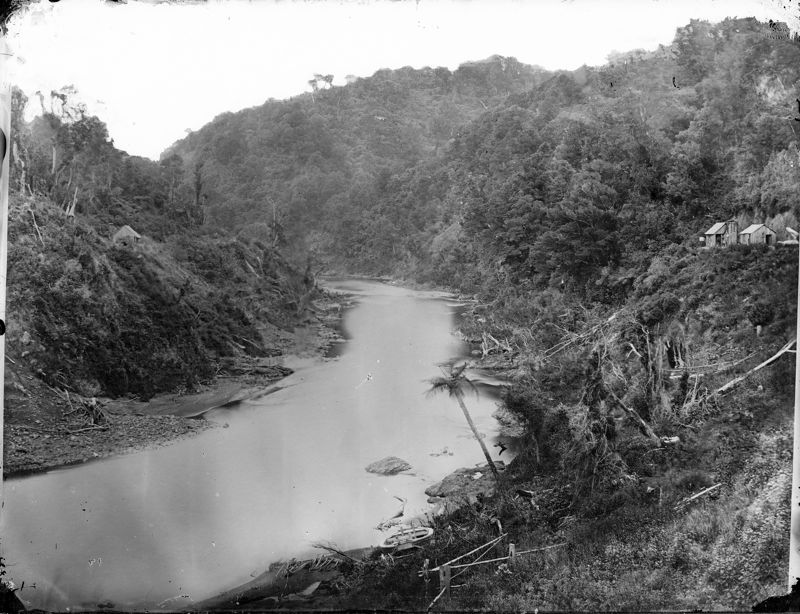
Manawatu River, ca 1870. Note shacks on flanks of the river. Photograph taken by William James Harding 1826-1899. Ref: 1/1-000339-G. Alexander Turnbull Library, Wellington, New Zealand.

I have been dipping into my recently acquired copy of Making a New Land, the revised edition of Environmental Histories of New Zealand (see: Environmental histories of New Zealand – Making a New Land). In particular, the conclusion really resonates with me:

Environmental history can and should be more than history with nature added in. Continue reading

Dairy farming: environmental history’s twists & turns

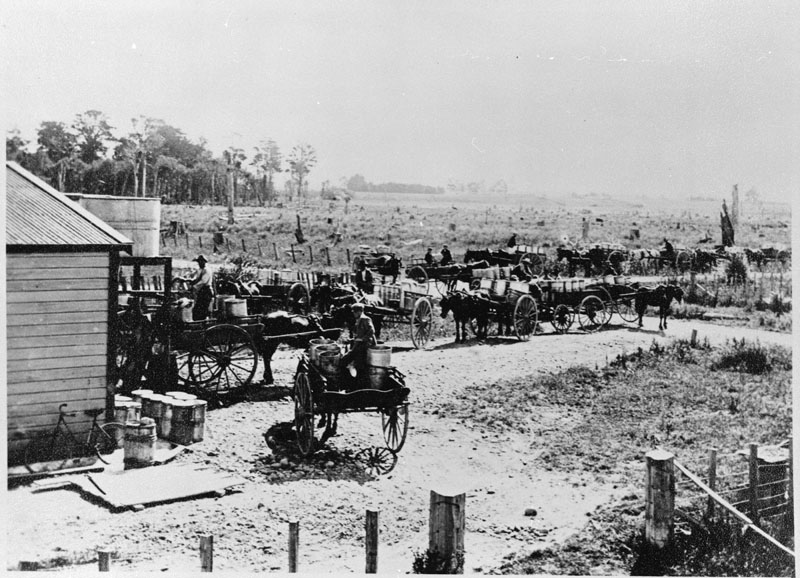
A skimming station on the corner of Roberts’s Line and the Bunnythorpe-Kairanga Road, Manawatu. This photograph shows the long line of carts which was a typical sight at a skimming station in the early years of that century. Source: Palmerston North City Library.

Reading a 1977 paper reviewing farming in the Manawatu, by soil scientist J. Cowie and farming advisor W. Osborn, I was interested to read the following passage:

Dairy farming no longer predominates [in the Manawatu] as it has lost a great number of units in recent years. Twenty-six small dairy companies existed in the billycan and horse and cart days. Continue reading

Sofia and her red biro

Sofia and biro
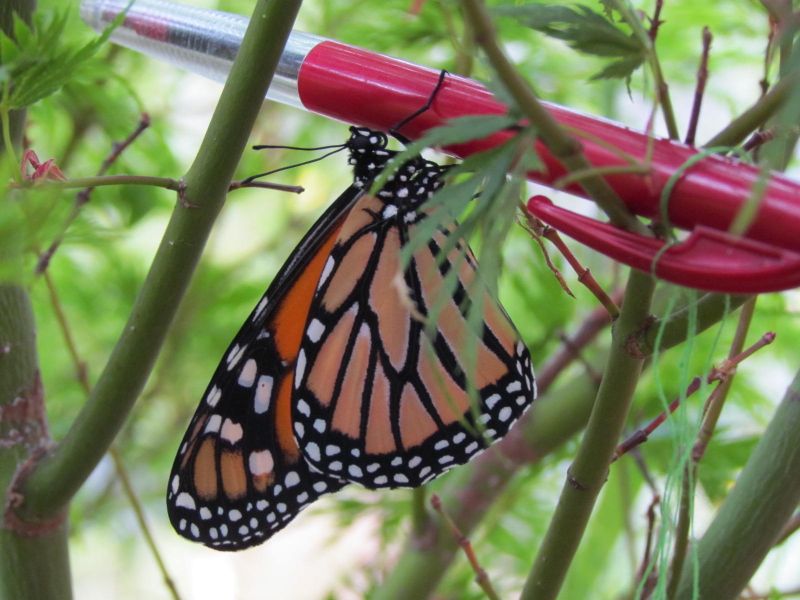
The beautiful Sofia, stretching her wings on the red biro from which she was suspended. She was transferred to this Asian maple tree on the morning of her emergence after the chrysalis became noticeably darker.

Well, readers will be pleased to know that Sofia emerged from her chrysalis, “small but perfectly formed”, right on cue – ten days after she disappeared into her chrysalis (see: Little wonders (of nature) and Nature’s capacity to surprise). Continue reading

Cursed weed or New Zealand’s own Christmas tree?

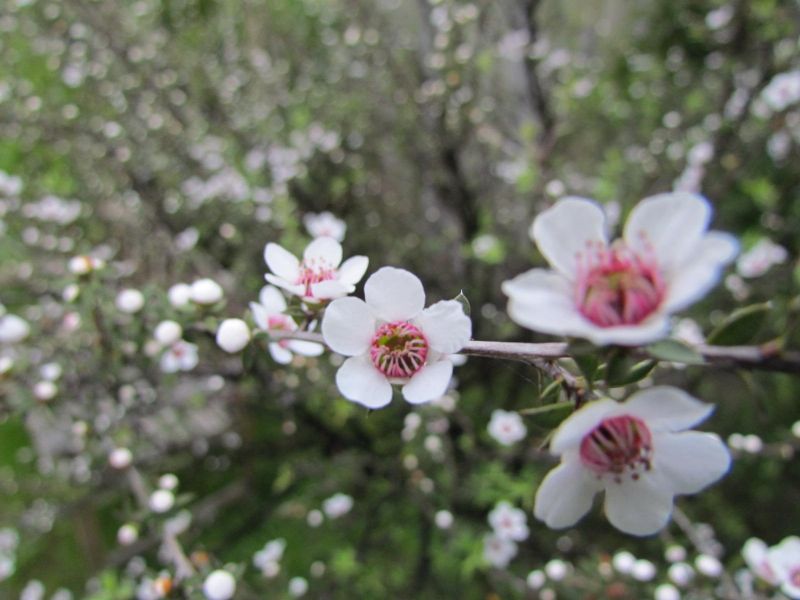
IMG_3810Manuka, along with its indigenous cousin, kanuka, have long been referred to as “scrub” by New Zealanders. “Scrub” is a term which infers something diminutive, including small trees or shrubs, and has a nuance of inferiority. As one of the first species to recolonise an area of cleared bush, manuka has long been viewed with loathing by farmers – its vigour and ability to quickly regenerate made it a cursed “weed”.

But, in our back garden, with its fine needle-like leaves, and covered in a shower of delicate, five-petaled flowers and pearl-like buds, it is reminiscent of snow on a small pine tree. In my mind, it is more than worthy of being New Zealand’s answer to the Christmas tree.

Nauru: a picture says it all

Nauru IslandI was flabbergasted when I found out about this piece of New Zealand’s history. I don’t know what shocked me more: our government’s part in destroying an island and a people’s economy and way of life, or the fact that this history is so little known by  New Zealanders.

New Zealand, along with Britain and Australia, gained the Pacific island of Nauru and its rich phosphate reserves as part of the spoils of the First World War. Continue reading