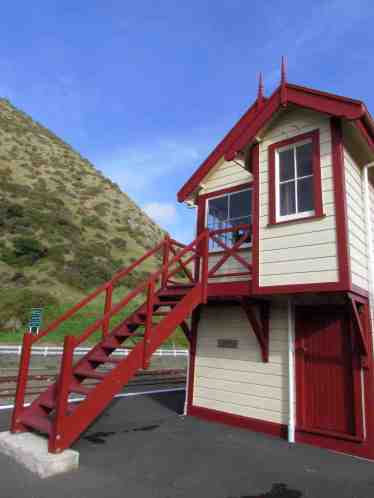
 This signal box on the Paekakariki Railway Station platform tells of an illustrious history of a small coastal town intimately linked with the railway. The railway station dates from 1886 when the Wellington and Manawatu Railway Company’s line from Wellington to Longburn was completed. The railway runs alongside the state highway, the Paekakariki to Porirua segment of which was completed nearly four decades before, in 1849. Both transport links run through a narrow corridor of flat land wedged between steep hills to the east and the sea and old dune-lands to the west [click here to view map]. The town itself lies on a narrow band of undulating dune-lands, contributing to its slightly idiosyncratic character; its name, meaning “perch of the kakariki parrot” in Maori, seems particularly apt. Continue reading
Month: June 2011

The end of whaling in New Zealand: the Soviet factor
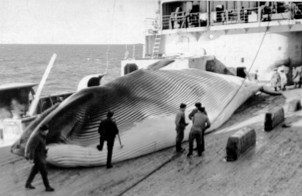 Like so many other industries based on a finite natural resource, whaling in New Zealand has a long history of over-use, leading to a collapse of that resource. The southern right whale was caught from shore-based stations in the early nineteenth century, but by 1850 their numbers had been so depleted that shore-based whaling was limited. Continue reading
Share this:

Black gold – early oil exploration in Taranaki
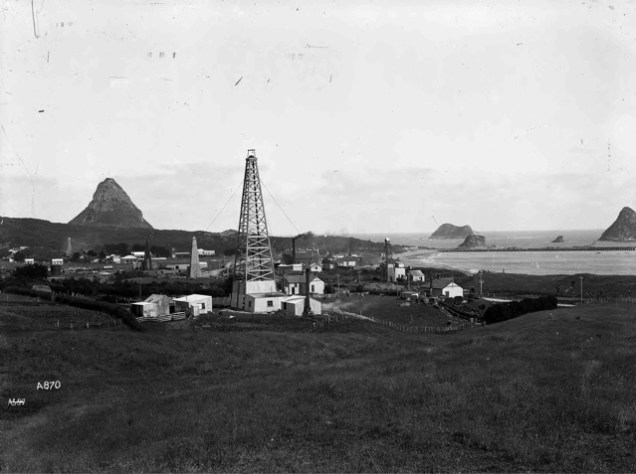 Oil exploration in Taranaki has been in the news lately, with Greymouth Petroleum and international companies expressing strong interest in the oil reserves under Taranaki soils and sea-bed. Until recently I had assumed that oil exploration was a phenomenon of the 20th century – until a Taranaki resident informed me that it was being extracted around New Plymouth as early as the 1800s. Continue reading
Share this:

Forests: why they are vital to our environment and economy
Tomorrow (June 5) is World Environment Day, and this year’s theme is Forests. This short animated film, narrated by David Attenborough, explains the role forests play in our global economy and environment, as well as outlining the threats our forests face.
See also: Destruction of our forests over time.

 envirohistory NZ