Exploring our environmental history though the remarkable photos of Wildbore

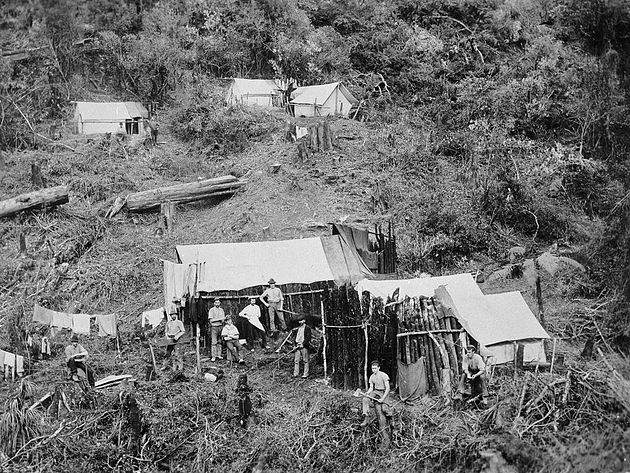
Bush-whacker camp

Now that ‘Beyond Manapouri’ is safely out into the world, some of you may have been wondering what my next book project is.

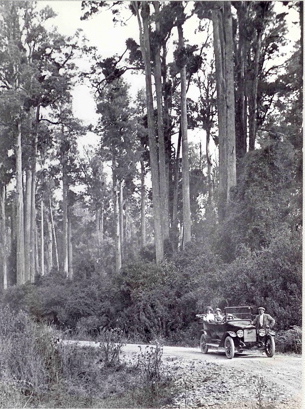
Well, since you asked ;-), it is a book exploring the life and works of a man called Charles E. Wildbore, who emigrated to New Zealand as a boy in 1874, and settled in the newly-opened Pohangina Valley, in the Manawatu. Wildbore was unremarkable in many ways. Like many other settlers of this era, he and his wife Jane owned a small farm, with a small herd of dairy cows, and some chickens. He also had an apiary and produced honey for the local market.

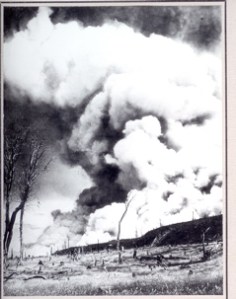
But what does make Wildbore remarkable are his photographs. Continue reading

Environmental histories of New Zealand – Making a New Land

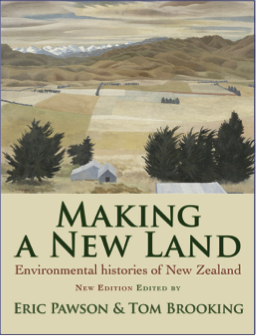
Making a New LandA new edition of the New Zealand environmental history classic, Environmental Histories of New Zealand, is out this month. Entitled Making a New Land, it has six new chapters with the existing ones revised. (You can read more about the book here.) I have put my order in for my copy already (and for my local library too).

This book (well, not this exact one – I haven’t got it yet!) is close to my heart. I discovered it when I was writing my Masters thesis about the Japanese treatment of nature through history (see publications page – it’s near the bottom). Continue reading

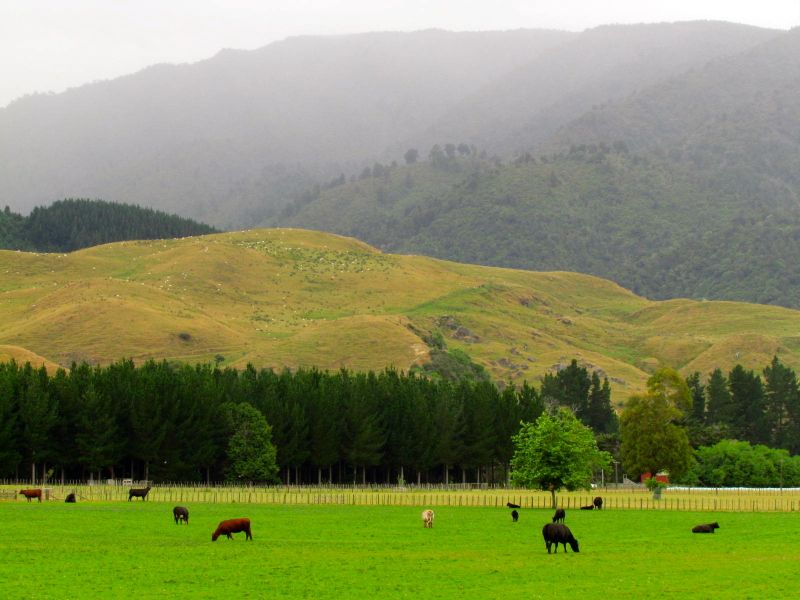
Upper Pohangina Valley farmscape

Farmscape near Piripiri in the upper Pohangina Valley East Road
Farmscape near Piripiri in the upper Pohangina Valley. Photo: C. Knight

On the same trip on which we met the “horse for sale” (see previous post), we also passed through the Pohangina Valley, travelling from north to south.

Like Apiti, the upper Pohangina Valley is characterised by small settlements which are often more evident on the map than they are in reality: places such as Utuwai, Umutoi and Komako. Looking at early survey plans, it appears that the vision for these places was somewhat more substantial than what eventuated. Continue reading

Manawatu history talk: Totara Reserve

Dr Catherine Knight will be presenting a talk on November 2nd about the history of Totara Reserve as part of this year’s Manawatu Local History Week [click here to download programme]. Entitled “Totara Reserve: a window into Manawatu’s environmental history“, the talk will explore how Totara Reserve was preserved initially for its timber, but within a few decades, when lowland forest elsewhere in the Manawatu had all but vanished, became a prized scenic and recreational reserve. By tracing the history of the reserve, we can better understand the changing attitudes and values of New Zealanders towards our natural heritage. Continue reading

Undoing environmental history (with a spade)

Though my implement of choice for environmental history is the pen (or more accurately, the keyboard), I am known to pick up a spade from time to time. Specifically, to plant native trees on land in the Pohangina Valley, about 40 kilometres north-east of the Manawatu provincial “capital” of Palmerston North [click here to view location].

When I do so, I am deeply conscious of the fact that I am undoing the toil of hardworking men who “broke the land in” only a century ago, transforming the Manawatu – at the time described in a government advertisement as “the waste land of the Colony” – into productive farmland. Continue reading

An ode to Harriet

Deep brown eyes, still vibrant

Despite the pain

Despite the indignity

Despite the crumbling limbs.

x

Moments before she left us

Those eyes looked into mine

Knowingly,

As if to comfort me. Continue reading