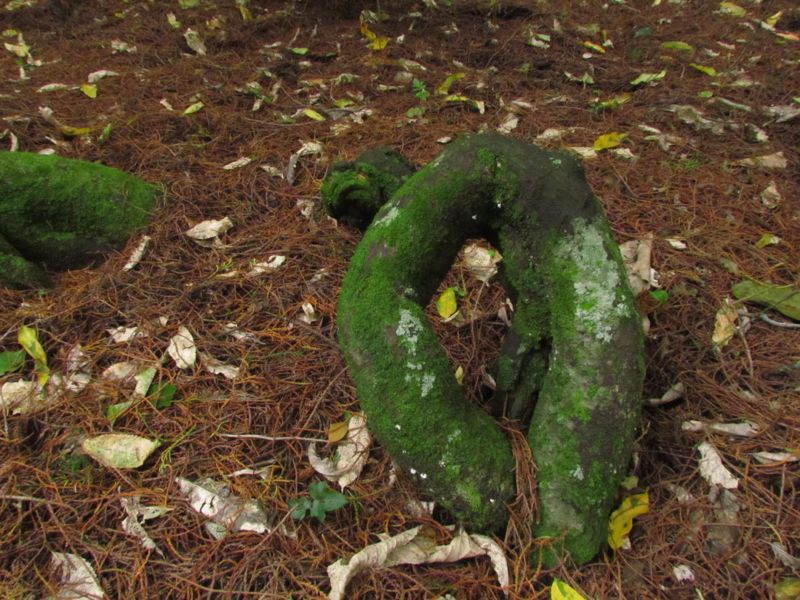
 Like intriguing fibrous sculptures emerging out of the forest floor, these are parts of the buttressed roots of a kahikatea, or white pine. Kahikatea is one of the main canopy species of the semi-swamp forest which once grew on the flood plains of the Manawatu and throughout the country [see also: The slaying of our kahikatea forests: how Jurassic giants became butter boxes]. Continue reading
Manawatu

Upper Pohangina Valley farmscape
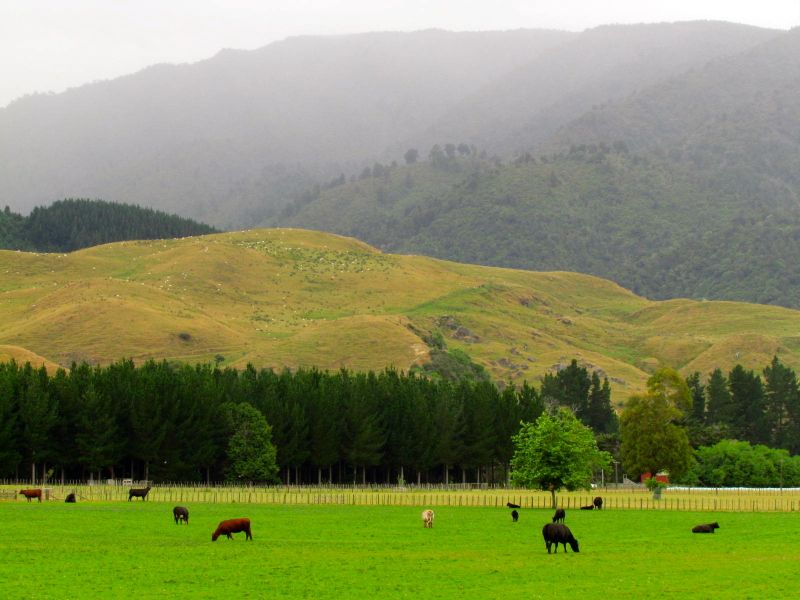
On the same trip on which we met the “horse for sale” (see previous post), we also passed through the Pohangina Valley, travelling from north to south.
Like Apiti, the upper Pohangina Valley is characterised by small settlements which are often more evident on the map than they are in reality: places such as Utuwai, Umutoi and Komako. Looking at early survey plans, it appears that the vision for these places was somewhat more substantial than what eventuated. Continue reading
Share this:

Horse anyone? – Exploring the upper limits of the Manawatu
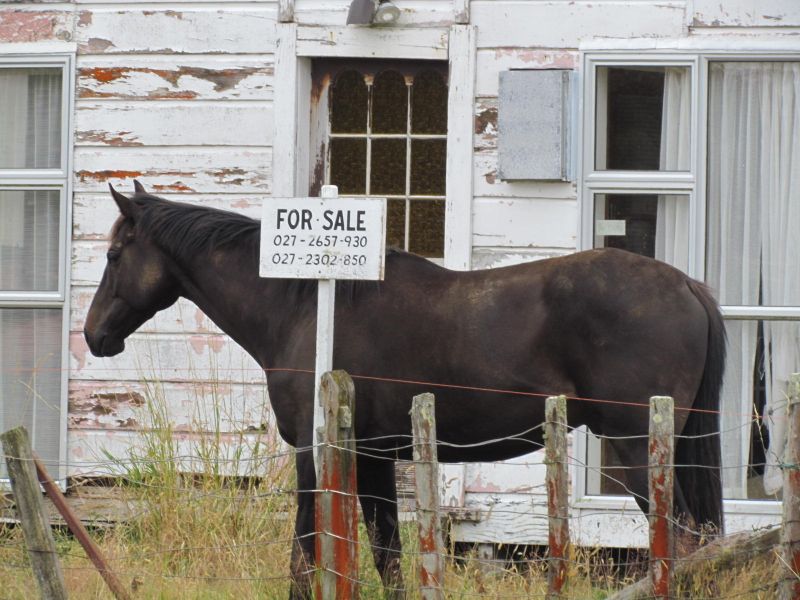
I know Apiti as the small settlement located at the upper limit of the Ahuaturanga (or Upper Manawatu) block, purchased from its Rangitane owners by the government in 1864.
While I had read about it, until today, I had never been to Apiti [click here to view location]. Continue reading
Share this:

Ashhurst wetland: the restoration of the wetland that wasn’t
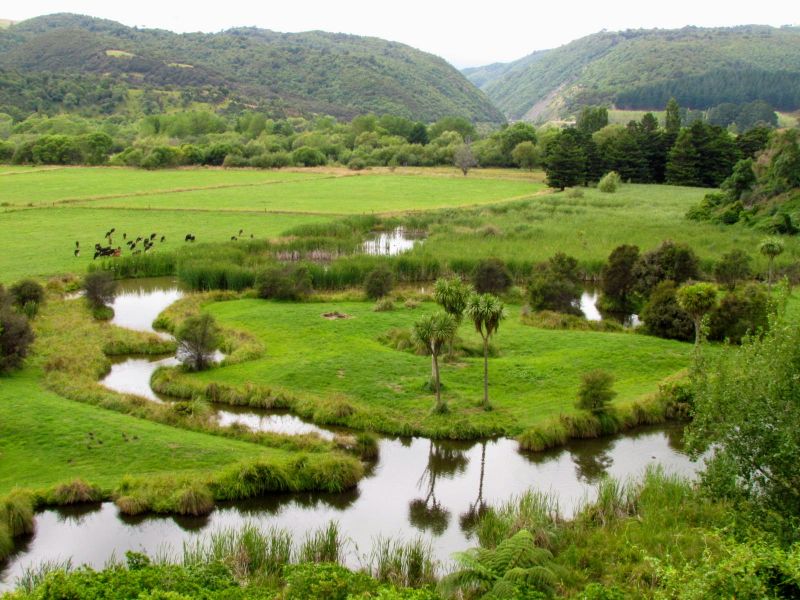
Though we often hear about wetland restoration projects, the Ashhurst wetland, on the river flats below the Ashhurst Domain [click here to view location] is not a case of “restoration” in the normal sense. Continue reading
Share this:

Dear’s Bush – a rare relic of Manawatu swamp forest
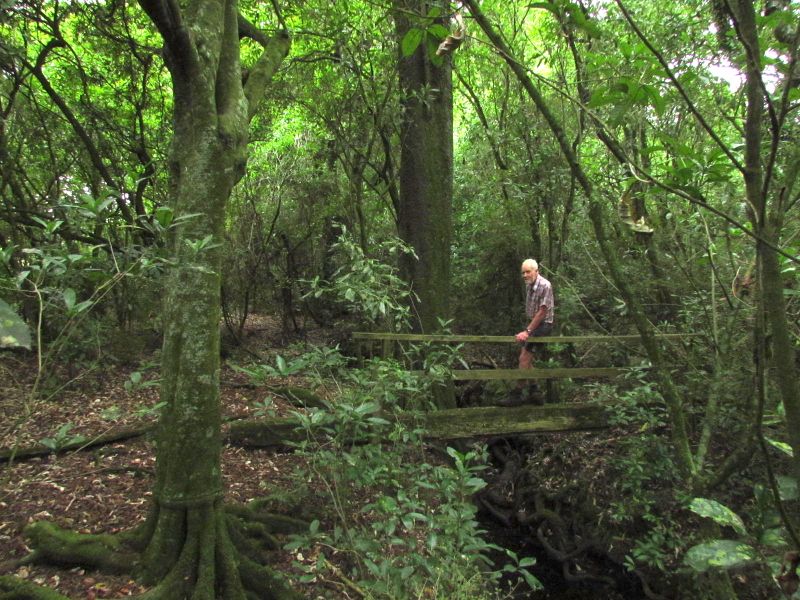
A few days ago, I had the privilege of visiting a piece of remnant forest on the plains between Manawatu and Rangitikei Rivers [click here to view location]. The bush was set aside by George Dear, an immigrant from Bedfordshire, England, who became one of the first settlers in the Rongotea district. Continue reading
Share this:

“Down to the sea in slips”: soil erosion in New Zealand
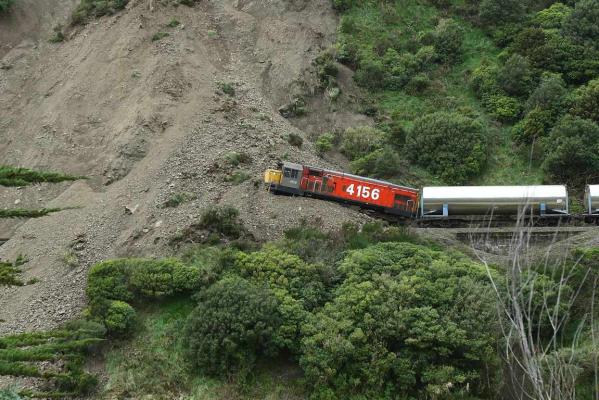
Reading a recently published environmental studies text book the other day (New Environmentalism, by Chris de Freitas and Martin Perry), I was reminded of a rather alarming statistic:
New Zealand loses between 200 and 300 million tonnes of soil to the oceans every year. Continue reading
Share this:

Swamp fires of the Manawatu
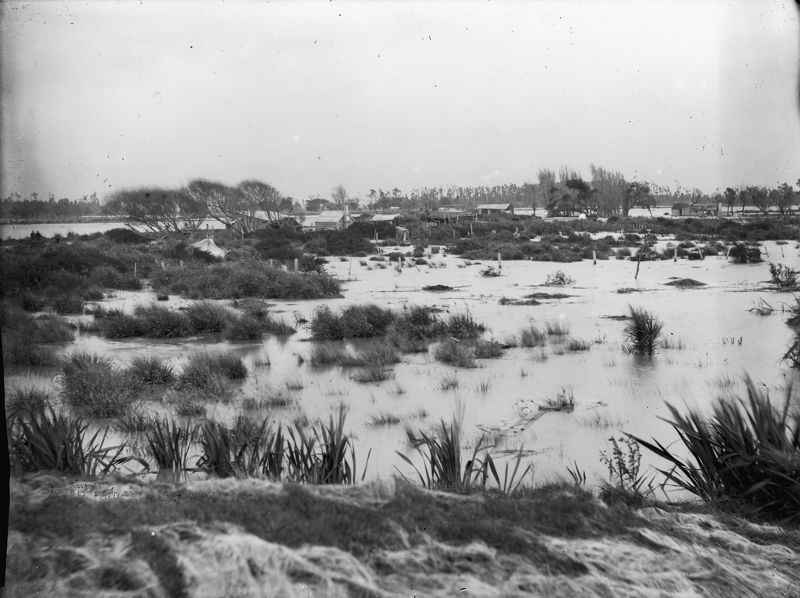 At first, “swamp fires” might seem like an oxymoron, and I was certainly surprised to read about them when I read Suspended Access, the history of the Opiki toll bridge. In this history, Molly Akers relates how, as the floodplains around the lower Manawatu River were drained to stimulate flax growth for milling, peat fires in the swamp became a continual menace. What makes peat fires unusual, in comparison to forest or scrub fires, is that they burn underground. Continue reading
Share this:

Creating a pastoral world through fire: bush burning in the Manawatu
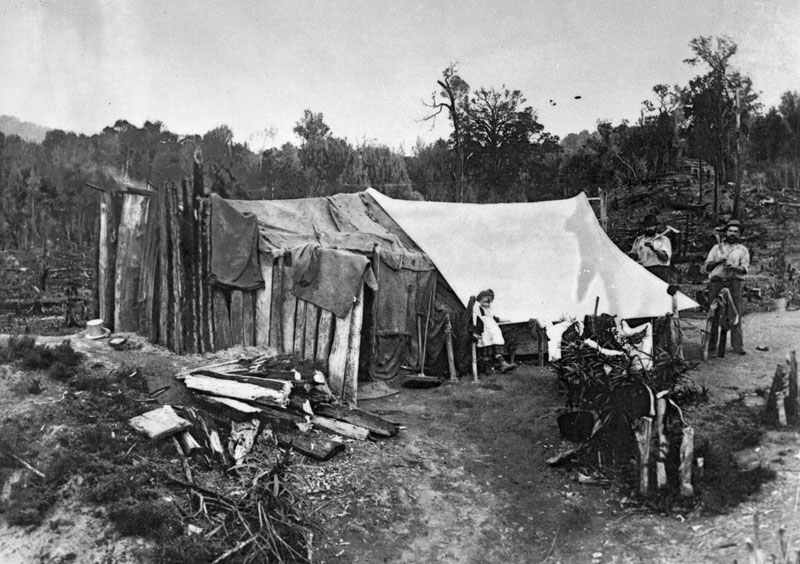 How did the Manawatu transform from a densely forested environment in 1870 to a pastoral landscape by the turn of the century?
The answer, which will be explored in a lunchtime talk on 8th November, as part of the 2012 Manawatu Local History Week, is “fire”. Continue reading
Share this:

Could blackberry jam have become NZ’s biggest export?
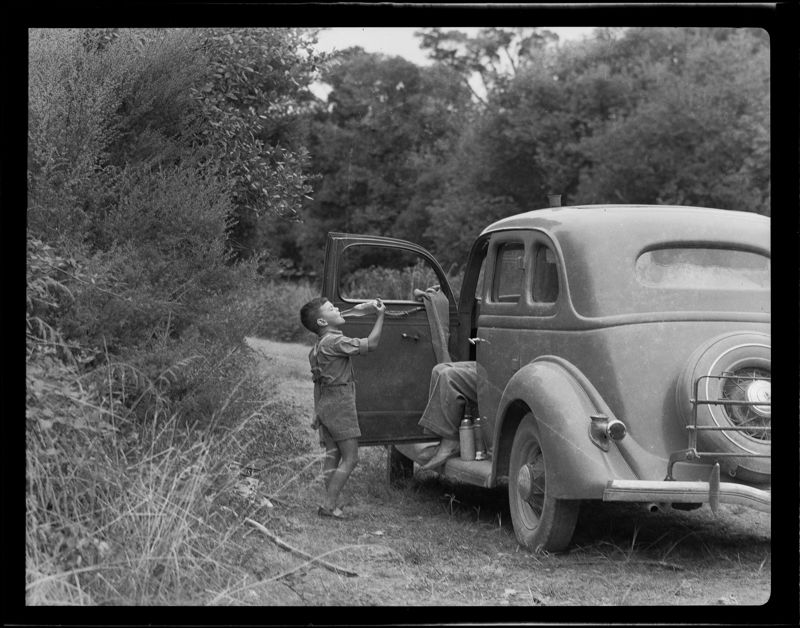 No, not really – but this is what one Manawatu farmer suggested might happen if the plant was allowed to spread any further through the district and the country.
So serious was the issue by the 1920s, that noxious weeds (including gorse and blackberry) were a hot topic at a Farmers Union Conference in Feilding in 1928. As one concerned delegate somewhat facetiously put it: “Unless the blackberry pest is taken in hand seriously by the Government the main exports from New Zealand in years to come will be blackberry jam and farmers”.
Share this:

Did European settlers loathe the forest? (Part 2)
 This post follows on from the previous post Did European settlers loathe the forest? While I am largely satisfied with the idea that European settlers destroyed the forest driven by the need to make productive use of the land, rather than any deep-seated loathing of it or what it represented, this still does not explain the extent to which forest – lowland forest especially – was destroyed. It was, by and large, decimated. Continue reading

 envirohistory NZ