Last week, I had the privilege of visiting a forest school session in Waituna West (not far from the Manawatu town of Feilding). This is part of my research for my latest book, exploring nature and wellbeing in New Zealand (see also: The connection between nature & wellbeing).
Children from Waituna West and Hunterville kindergartens participated in the session. For many of them this was a new experience, and it was a joy to watch them slowly ‘acclimatise’ to the new, and rather unfamiliar, bush environment, becoming more exploratory and experimental as the session progressed.
In the photos, they can be seen washing their hands at the bush ablution facility, listening intently to Lucy’s reading of ‘Room on the broom’ by Julia Donaldson (which was followed by a practical exercise of making a witches’ broom from forest materials), doing some bush ‘wood work’, and taking a walk.



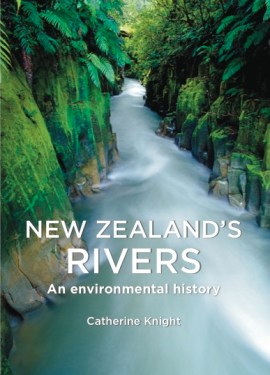 It is a daunting to have your work reviewed by someone as well respected in the field of environmental history as Graeme Wynn, Professor Emeritus in Geography, University of British Columbia. A relief to find it is a positive review, and an very nice indeed to read his assessment that “Catherine Knight is set fair to take her place among the country’s leading environmental historians”.

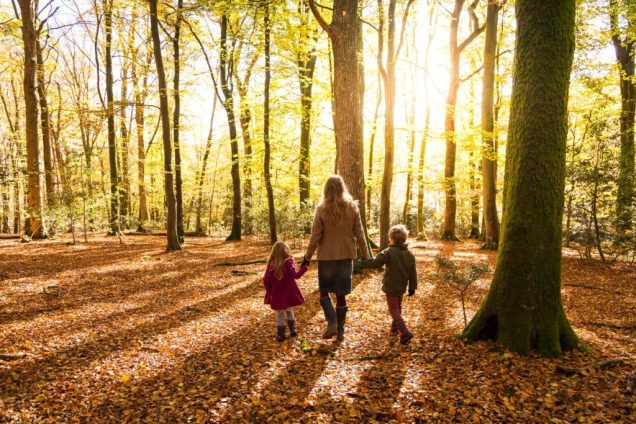
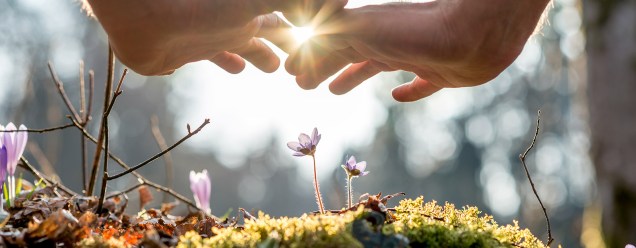
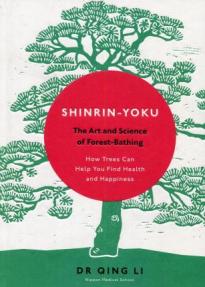 In describing the Japanese experience of spending time in a forested environment, he draws the reader’s attention to the Japanese word ‘komorebi’, 木漏れ日 in Japanese characters, meaning ‘sunlight filtering through leaves’ (木 = tree, 漏れ = leak through, 日 = sun).
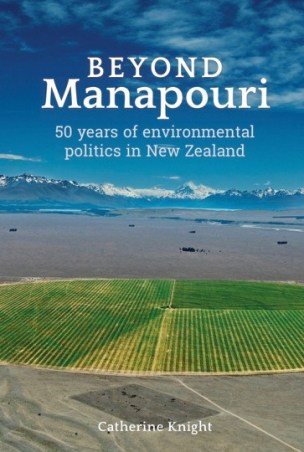 I am thrilled with Shaun Barnett’s review of “Beyond Manapouri: 50 years of environmental politics” in this month’s Backcountry Magazine, particularly given that Shaun himself is such a talented and well-respected writer of NZ non-fiction.
 As you may have seen from an earlier post




 envirohistory NZ