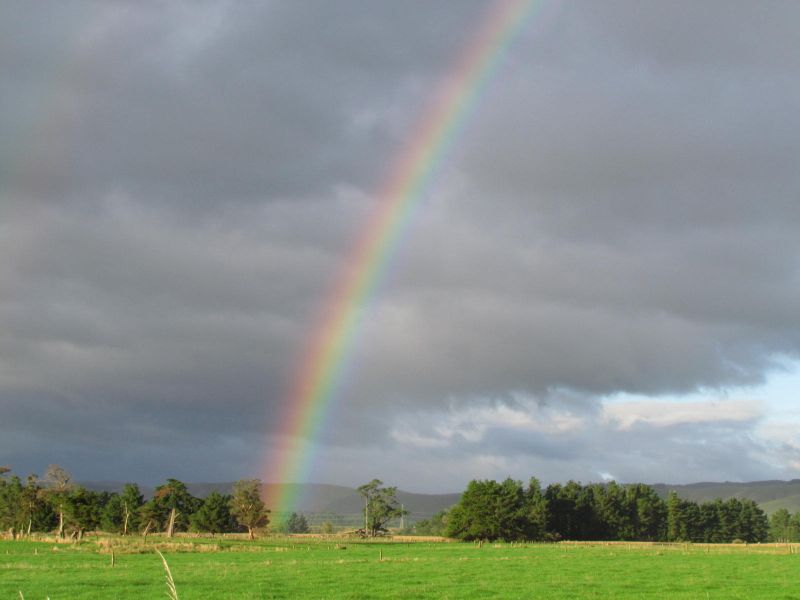
Rainbow over Linton, Manawatu

Driving back from the Manawatu today, we were lucky enough to encounter our second rainbow of the day. This one was particularly spectacular, set against the dusky blue-grey of the Tararua Ranges, and the dark rain cloud-filled sky. This one “ended” among a cluster of regenerating indigenous trees (possibly totara) on fields on the Manawatu River terraces just south of the Linton Army Camp turn-off [click here to view location]. Continue reading

What is a groyne? (And what’s it got to do with environmental history?)

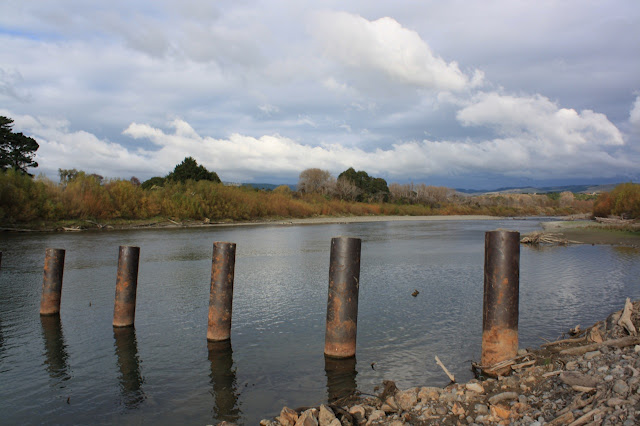
Living in Christchurch, I was always vaguely aware of a park in the north-east of the city called “The Groynes”. It seemed an odd, and rather un-illustrious name for a park (given its homonymity with that particular part of the body), but I never took the time to find out what its origin was.

Had I had the curiosity to investigate, I would have found out that “The Groynes” derives its name from large blocks, made from concrete filled woolsacks, which were placed in the Continue reading

When did the moa become extinct?

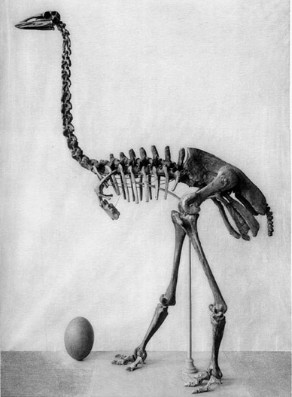
The previous post Prehistoric revelations of a Manawatu flood made me curious about other signs of moa habitation in the Manawatu area. I came across an intriguing article in a 1908 newspaper which reports on a find of moa bones in Kimbolton, and the controversy the find created.

The question it raises is, were moa still roaming the densely forested hinterlands of the North Island even as Europeans were first arriving on these shores?

But let the discoverer of those bones tell the story. In a letter to the Feilding Star in July 1908, Mr Thomas A. Bryce, a farmer from Kiwitea (see: Kimbolton and surrounds – “putting the small man on the land”), wrote:

“What time has elapsed since the moa became extinct? Continue reading

Prehistoric revelations of a Manawatu flood

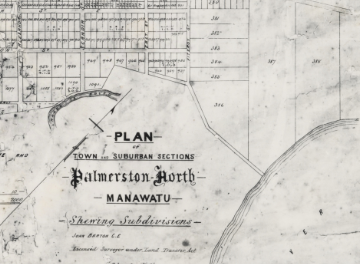
When surveyors laid out the Manawatu town of Palmerston North, they were a little optimistic.

An 1878 [see left] and later 1895 survey map shows sections in the suburbs of Terrace End and low-lying Hokowhitu running right up to – and in some cases beyond – the banks of the meandering Manawatu River. However, the multitude of lagoons in the district showed that the Manawatu River must have flooded, and changed its course, many times throughout the centuries, leaving these “cut-off meander” lagoons as evidence. Continue reading

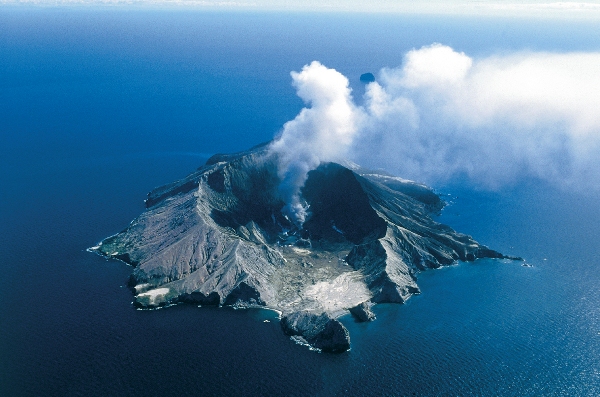
Volcanoes and farming

How do volcanoes relate to farming?

The early settler-farmers of New Zealand soon recognized the limitations of the fertility of the land which they farmed, particularly when it came to arable crops such as wheat. In regions such as the Manawatu, the “black soils” of burnt-off bush country at first produced prolific crops, owing to the minerals contained within the ashes of the burnt bush. However, quite rapidly, this fertility declined. Continue reading

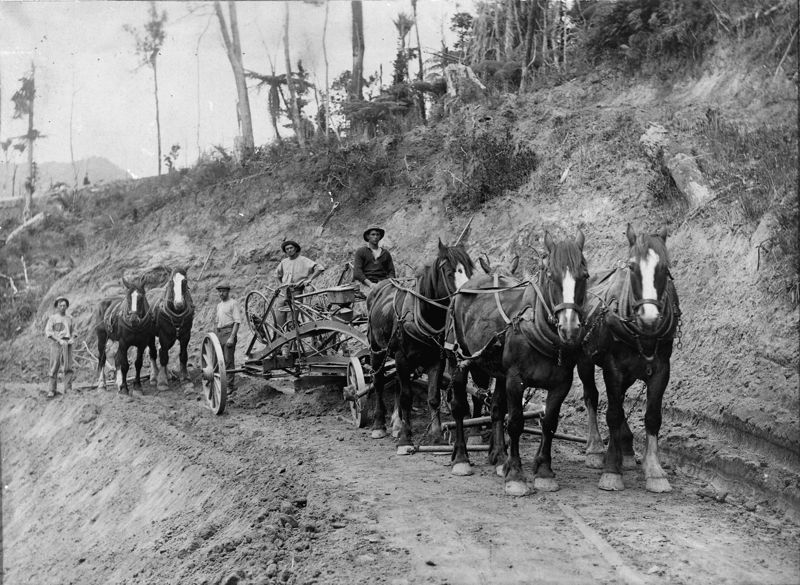
Road-building in the Manawatu, 1868

One of the many joys of doing historical research is reading the editorials and letters to the editor in historical newspapers (see also: Manawatu’s environmental past to be documented). People seemed to have been very free with their opinion on all kinds of things – not least of which the doings of government – and used sarcasm, dry wit and irony liberally and adeptly.

One letter I came across recently dates from 1868, and contains the correspondent’s observations on road and bridge-building around the fledgling Manawatu settlement of Palmerston. Continue reading

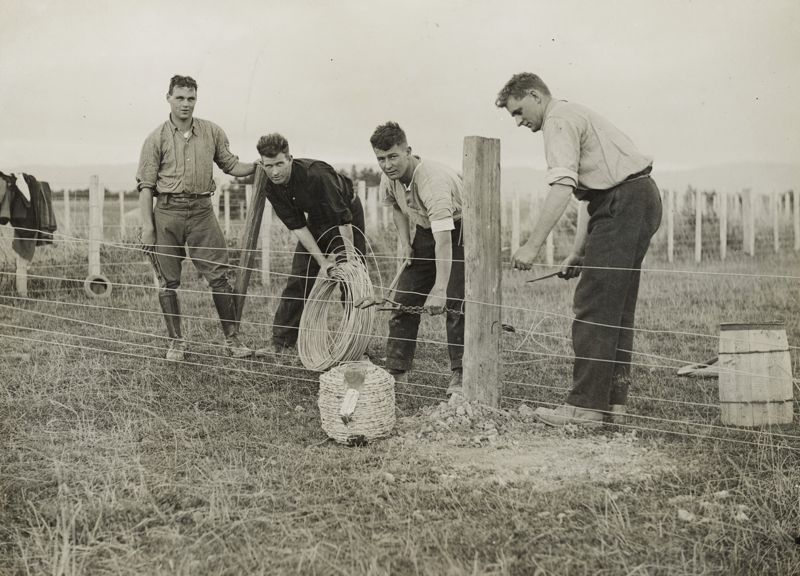
When is a fence not a fence?

I have been reading The Life and Times of Sir James Wilson of Bulls, by L. J. Wild recently. James Wilson, an immigrant from Scotland, was a pioneering sheep farmer in the Rangitikei in the late 1800s.

Reading his diary entries from the days when he was in the early stages of developing of Ngaio Farm, just east of Bulls, it is clear that fencing was a major consideration when establishing a farm – and the types of fences common at that time would not necessarily be familiar to us today. Continue reading

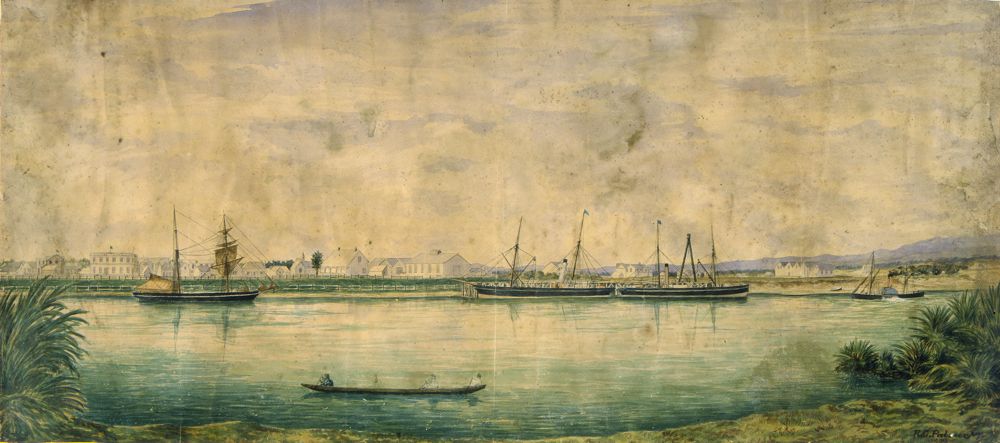
The town that lost its river: the sad story of Piriharakeke

The history and identity of the Horowhenua coastal town of Foxton is intrinsically linked to the Manawatu River. It was once a bustling port town, with ships loaded with flax, timber and other goods travelling down the river and out to markets in Wellington and beyond. While coastal shipping had largely ceased by the early 20th century, the wharf and the river that it served, was an integral part of the town’s identity and economy. Continue reading

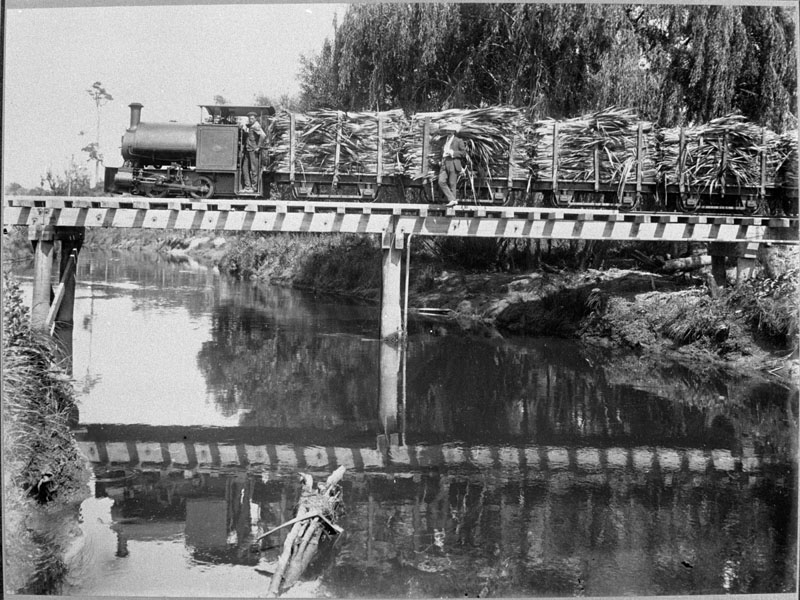
The little engine that couldn’t: the Miranui tramway

The Miranui flaxmill, located in the Makerua swamp just north of the Horowhenua town of Shannon, was once New Zealand’s largest flaxmill. The mill operated from 1907 to 1933, and had 19 mills, operating 42 flax-stripping machines and employing more than 700 workers during the height of the flax industry in 1916-17. Continue reading

Basin Reserve: how an earthquake turned a lagoon into a cricket ground

The “Basin Reserve” sports ground in central Wellington is a well-known and unavoidable landmark, as a convergence point for four major roads which circle around its perimeter, as well as for fans of “the gentile sport”. However few are likely to be aware of its fascinating environmental history, and how it came to be a sports ground. Continue reading