Japanese mountain asceticism: a spiritual approach to the environment

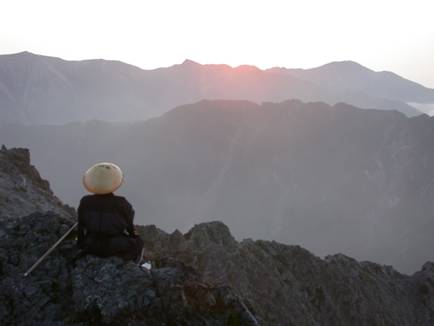
Shugendō priest on mountainToday I watched a recently released documentary film Shugendo Now, which aims to provide the viewer with “an experiential journey into the mystical practices of Japanese mountain asceticism.” While identified as a documentary, the film is more like watching a moving work of art – with minimal narrative, the documentary-makers take the role of observing rather than judging or interpreting, leaving the viewer to draw their own conclusions or to simply “experience” the film.

While environmental history tends to be a predominantly intellectual exploration of the human relationship with the environment, this film reminded me of the myriad other ways human beings can experience the environment. Continue reading

The meaning of landscape

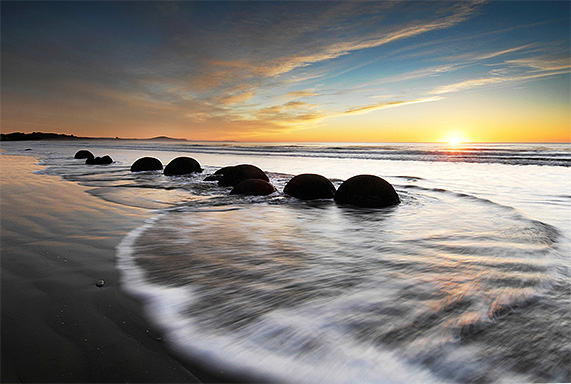
LMoeraki bouldersast week I attended the New Zealand Geographical Society Conference, where I presented on bush burning in the Manawatu. It was an excellent opportunity for those interested in environmental history/historical geographies, with a whole day of panels dedicated to these themes, including a panel focused on the life and works of Kenneth Cumberland (who although a geographer, explored historical geography through much of his work). Continue reading

What is environmental history? (no. 2)

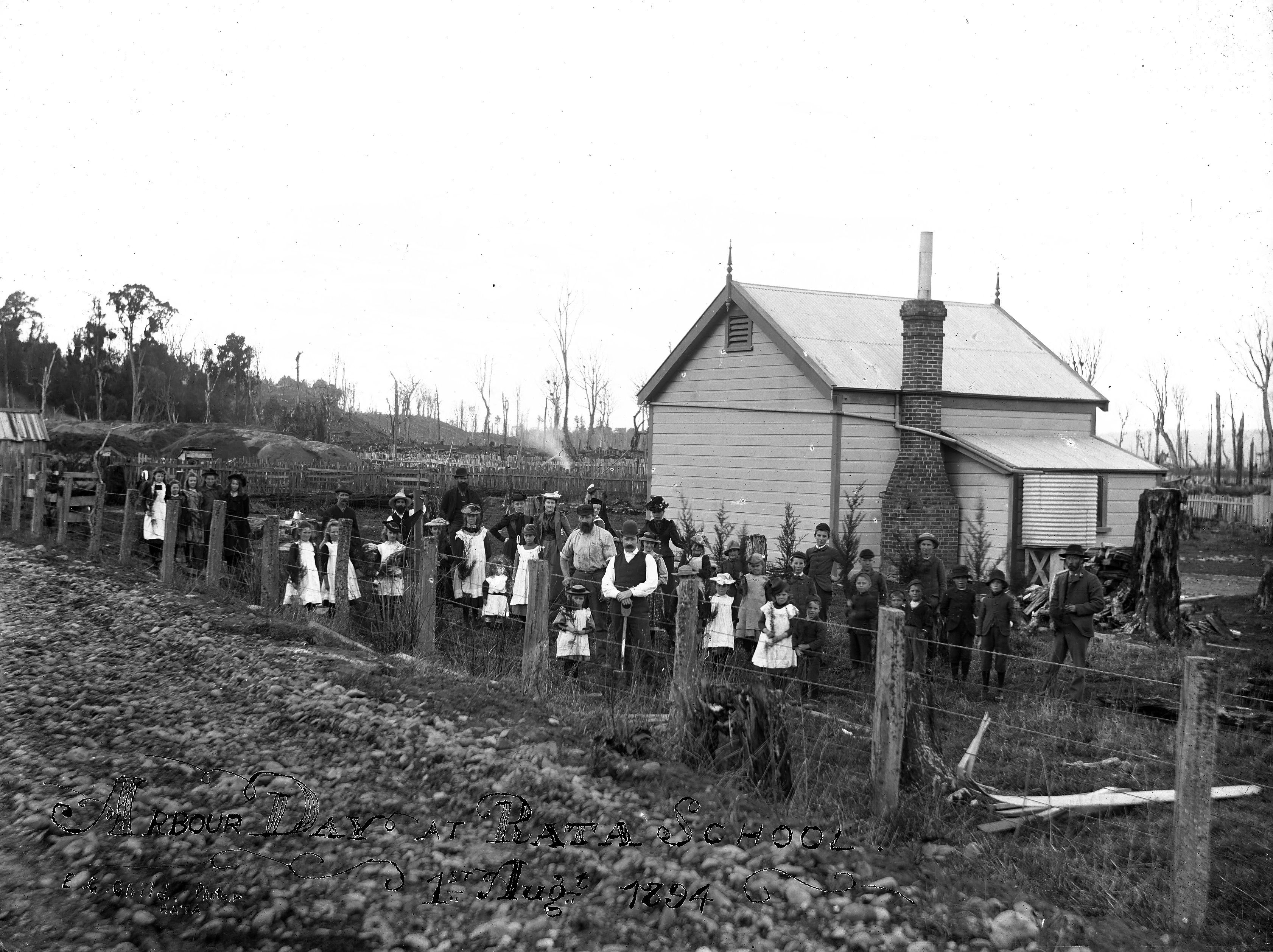
Arbour Day at Rata School 1894Recently I read J. Donald Hughes’ “What is Environmental History?” This is an excellent little introductory book, aimed primarily at those relatively new to environmental history  – whether it be students, those specialising in other disciplines, or non-scholars who have an interest in environmental history. Having never studied environmental history in a formal setting myself, the book provided useful context.

The book is very accessible and unthreatening to even the non-academically inclined in its content as well as its slimness – “models”, “paradigms” or “axioms” are rarely mentioned, and “post-modernism” is only mentioned once, as I recall! Continue reading

The battle for Rai Valley 1898

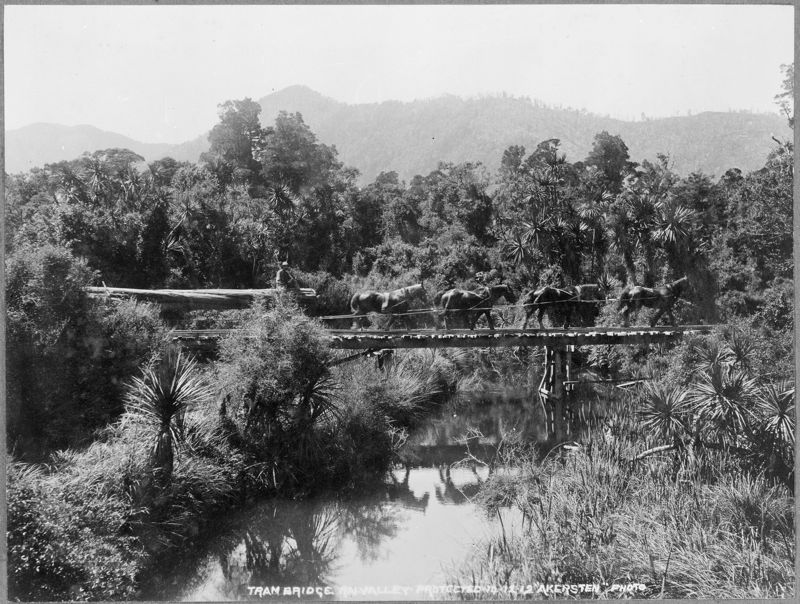
Swamp area in the Rai Valley, Marlborough, with horses hauling a log over a tramway bridge. Photograph taken circa 14 December 1912, by James Raglan Akersten.
Swamp area in the Rai Valley, Marlborough, with horses hauling a log over a tramway bridge. Photograph taken circa 14 December 1912, by James Raglan Akersten. Not to be reproduced without permission of Alexander Turnbull Library, ref ID: 1/2-110328-F

We tend to think of battles for the preservation of indigenous nature in New Zealand as a phenomenon of the last few decades, particularly since Manapouri. However, these battles have been going on in New Zealand well beyond our lifetimes. One early example is the battle for the Rai Valley, located between the South Island towns of Nelson and Blenheim [click here to view location]. This was classic example of the tension between development versus preservation that continues to be a central to New Zealand’s environmental history to this day. Continue reading

Swamp fires of the Manawatu

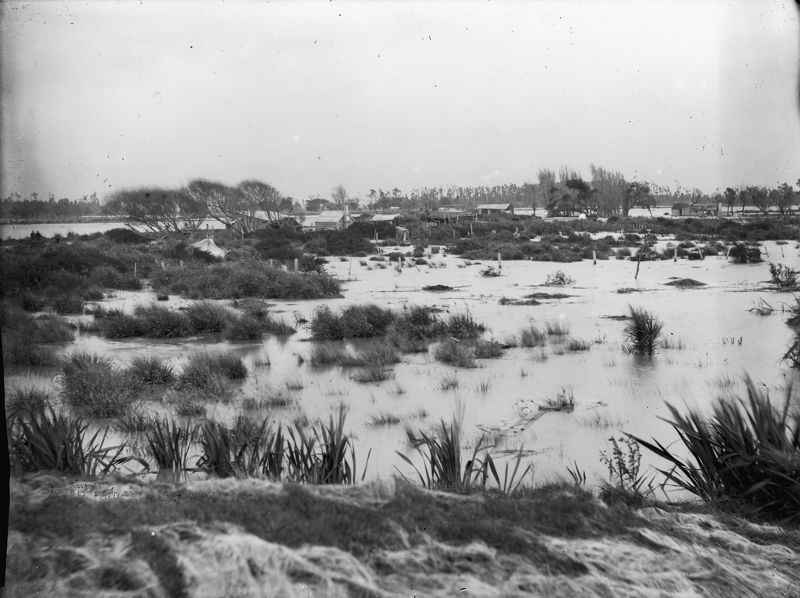
At first, “swamp fires” might seem like an oxymoron, and I was certainly surprised to read about them when I read Suspended Access, the history of the Opiki toll bridge. In this history, Molly Akers relates how, as the floodplains around the lower Manawatu River were drained to stimulate flax growth for milling, peat fires in the swamp became a continual menace. What makes peat fires unusual, in comparison to forest or scrub fires, is that they burn underground. Continue reading

Creating a pastoral world through fire: bush burning in the Manawatu

How did the Manawatu transform from a densely forested environment in 1870 to a pastoral landscape by the turn of the century?

The answer, which will be explored in a lunchtime talk on 8th November, as part of the 2012 Manawatu Local History Week, is “fire”. Continue reading

The New Zealand love of natives

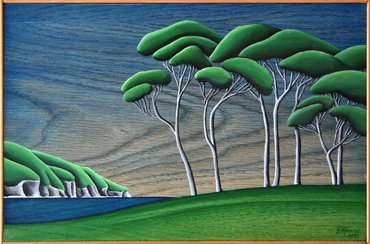
I was recently recommended the book “Living with Natives – New Zealanders talk about their love of native plants”, jointly edited by Ian Spellerberg, professor of nature conservation at Lincoln University and Michele Frey, an environmental planner. In the book, 44 New Zealanders, from politicians, artists to farmers and business people, talk about their relationship with native plants through short essays accompanied by plentiful photographs (and paintings, in the case of artist Diana Adams – see painting left). Each essay ends with tips about growing natives from the author, many of them very wise – and some even profound! Continue reading

Manawatu Estuary: “muddy wasteland” to “Wetland of International Importance”

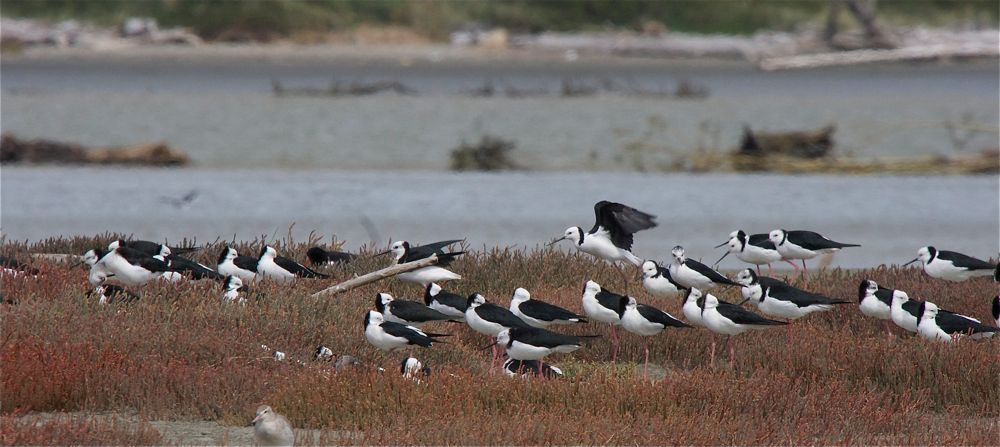
Pied stilts at Manawatu Estuary. Photo by Steve Attwood https://www.flickr.com/photos/stevex2/ , not to be reproduced without prior permission.
Pied stilts at Manawatu Estuary. Photo by Steve Attwood, not to be reproduced without prior permission. See: https://www.flickr.com/photos/stevex2/

The Manawatu Estuary has transformed significantly over the last century or more. In the 1800s, the mouth of the Manawatu River reached the sea several kilometres north of where it flows into the sea today. With the arrival of Europeans in the latter half of the 19th century, and the foundation of the town of Foxton, it soon became a bustling port. However, with the strong southward current depositing much sand on the coast a spit has gradually grown and the mouth of the river has slowly moved southwards. Today, it is used by recreational boaties but has long since lost any commercial significance as a port. Continue reading

Could blackberry jam have become NZ’s biggest export?

No, not really – but this is what one Manawatu farmer suggested might happen if the plant was allowed to spread any further through the district and the country.

So serious was the issue by the 1920s, that noxious weeds (including gorse and blackberry) were a hot topic at a Farmers Union Conference in Feilding in 1928.  As one concerned delegate somewhat facetiously put it: “Unless the blackberry pest is taken in hand seriously by the Government the main exports from New Zealand in years to come will be blackberry jam and farmers”.

Continue reading

Burning New Zealand’s forests

Of all the photographs I have seen relating to New Zealand’s environmental history, this is one of the most powerful. It shows the beginnings of a bush burn off at Puketora Station on the East Coast of the North Island in the early 1900s. This fire destroyed the indigenous forest over 30,000 acres, to make way for farming (probably of sheep). Continue reading