Review: Home in the Howling Wilderness

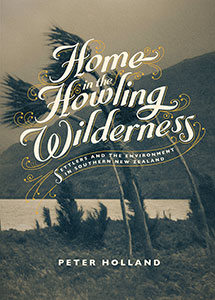
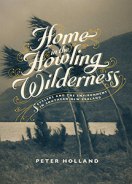
Holland Howling WildernessPeter Holland’s recently published Home in the Howling Wilderness is a valuable addition to the repository of literature and knowledge relating to New Zealand’s environmental history.

Holland, Professor Emeritus of Geography at the University of Otago, focuses on the first half century of organised settlement (1840 to 1890) of the lower South Island of New Zealand.

He has meticulously researched the ways in which early settlers learned about, and responded to  the challenges of this unfamiliar environment, drawing on farmers’ dairies, letter books, ledgers, newspaper articles and other available sources. Continue reading

Hay-making on the Horowhenua terracelands

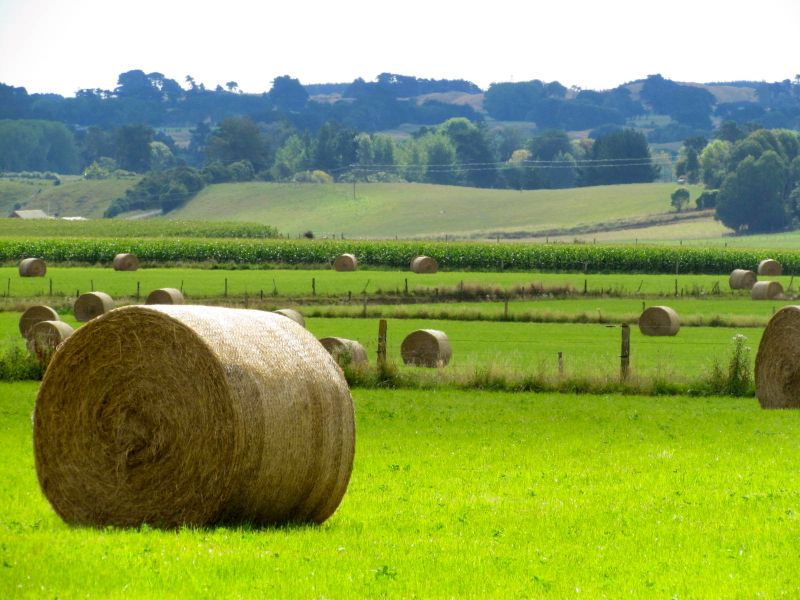
Hay bales (rolls?) if fields just south of Shannon, Horowhenua. Photo: C. Knight
Hay bales in fields just south of Shannon, Horowhenua. Photo: C. Knight

This shot, taken just south of Shannon, looks west across the terracelands above the Manawatu River as it meanders out to the Tasman Sea. Click here for map. Continue reading

Upper Pohangina Valley farmscape

Farmscape near Piripiri in the upper Pohangina Valley East Road
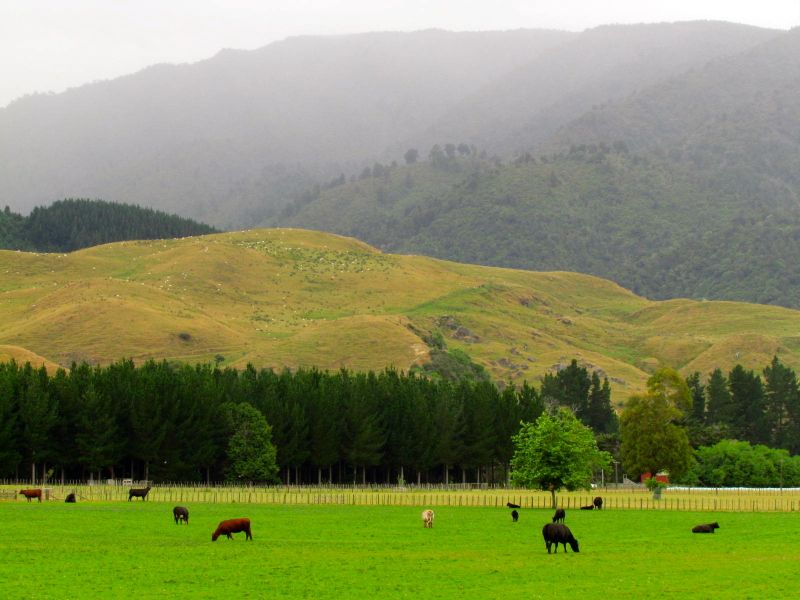
Farmscape near Piripiri in the upper Pohangina Valley. Photo: C. Knight

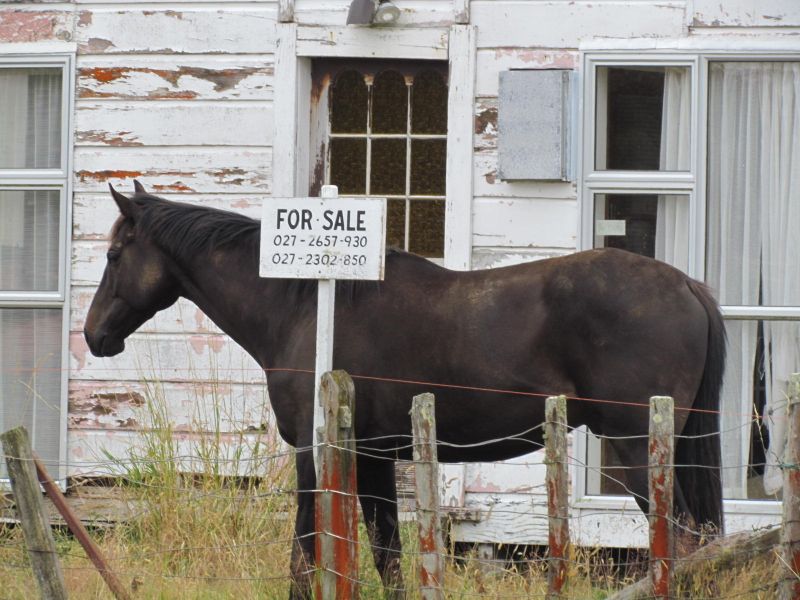
On the same trip on which we met the “horse for sale” (see previous post), we also passed through the Pohangina Valley, travelling from north to south.

Like Apiti, the upper Pohangina Valley is characterised by small settlements which are often more evident on the map than they are in reality: places such as Utuwai, Umutoi and Komako. Looking at early survey plans, it appears that the vision for these places was somewhat more substantial than what eventuated. Continue reading

Horse anyone? – Exploring the upper limits of the Manawatu

Apiti horse
It was actually the Apiti shack, rather than the horse, for sale. Judging from the state of both the shack and this sign itself, it had been for sale for quite a while. (The horse proved very congenial, so would not have made a bad purchase in itself). Photo: C. Knight

I know Apiti as the small settlement located at the upper limit of the Ahuaturanga (or Upper Manawatu) block, purchased from its Rangitane owners by the government in 1864.

While I had read about it, until today, I had never been to Apiti [click here to view location]. Continue reading

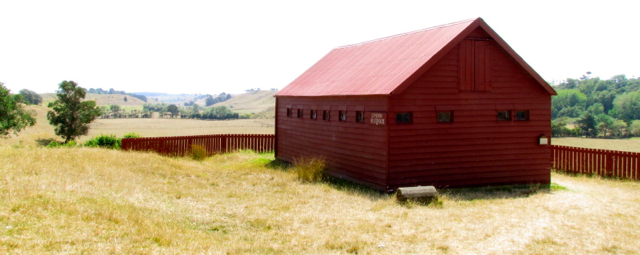
Cameron Blockhouse: a strategic view of the landscape

Cameron Blockhouse
Cameron Blockhouse, overlooking the valley to the north. Photo: C. Knight

Anyone with even a passing interest in Maori history will have recognised the ability of Maori to select sites in the landscape that afforded them both a defensive and strategic advantage over any advancing enemy tribes. Often sites were at the top of cliffs, with sweeping views over plains and down river valleys, frequently bordered on at least one side by a river, which acted as a natural moat. Within the Manawatu, for example, the Rangitane pa sites Otangaki (Ashhurst) and Te Motu o Poutoa (Anzac Park) were examples of sites that took advantage of such geographical features. Continue reading

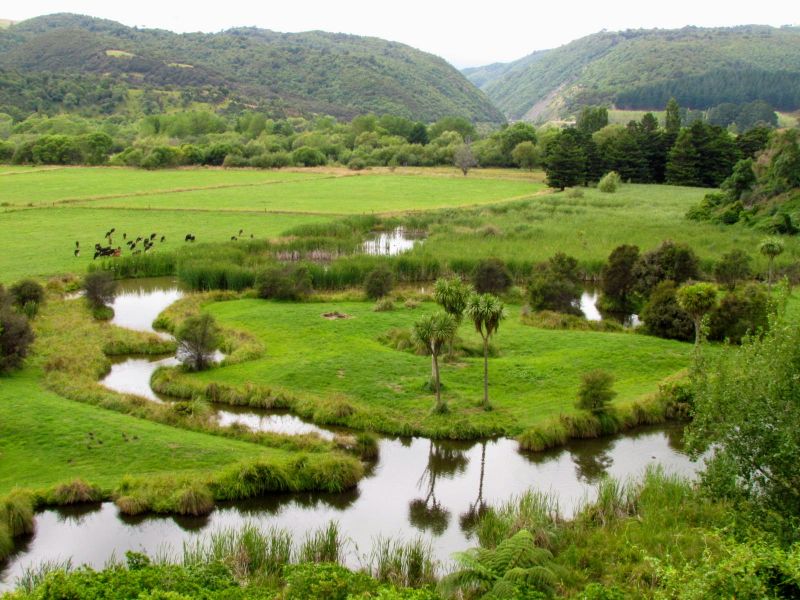
Ashhurst wetland: the restoration of the wetland that wasn’t

Wetlands below Ashhurst Domain, on a site that was once the course of the Pohangina River

Though we often hear about wetland restoration projects, the Ashhurst wetland, on the river flats below the Ashhurst Domain [click here to view location] is not a case of “restoration” in the normal sense. Continue reading

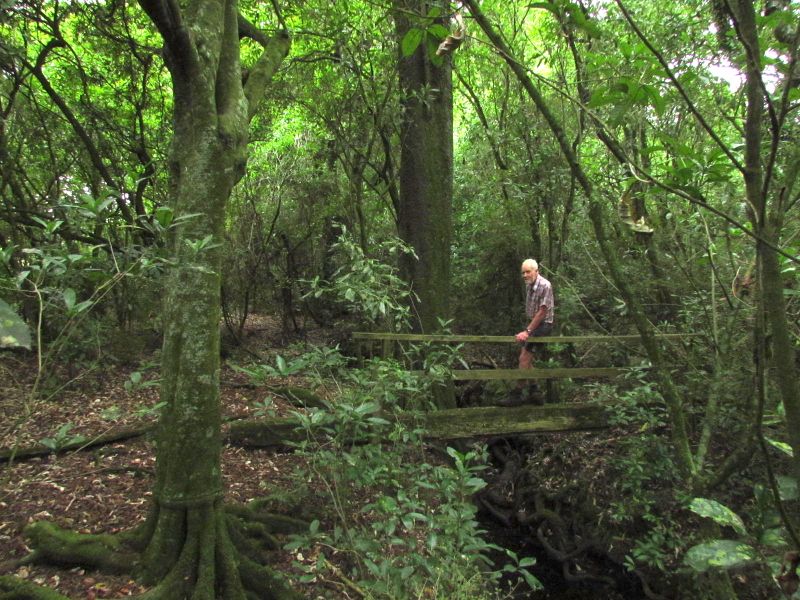
Dear’s Bush – a rare relic of Manawatu swamp forest

George Dear in Dear's Bush
George Dear standing on the “bridge” across Maire stream, which runs through one block of the bush preserved by his grandfather in the 1870s.

A few days ago, I had the privilege of visiting a piece of remnant forest on the plains between Manawatu and Rangitikei Rivers [click here to view location]. The bush was set aside by George Dear, an immigrant from Bedfordshire, England, who became one of the first settlers in the Rongotea district. Continue reading

“Down to the sea in slips”: soil erosion in New Zealand

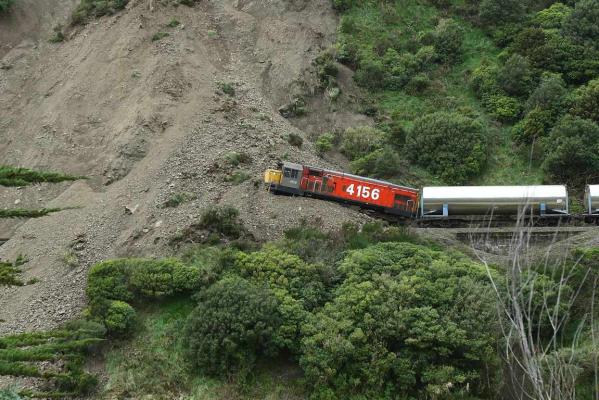
Manawatu Gorge landslide 2010
A landslide in Manawatu Gorge, 2010

Reading a recently published environmental studies text book the other day (New Environmentalism, by Chris de Freitas and Martin Perry), I was reminded of a rather alarming statistic:

New Zealand loses between 200 and 300 million tonnes of soil to the oceans every year. Continue reading

Biophilia as an “environment-sustaining instinct”?

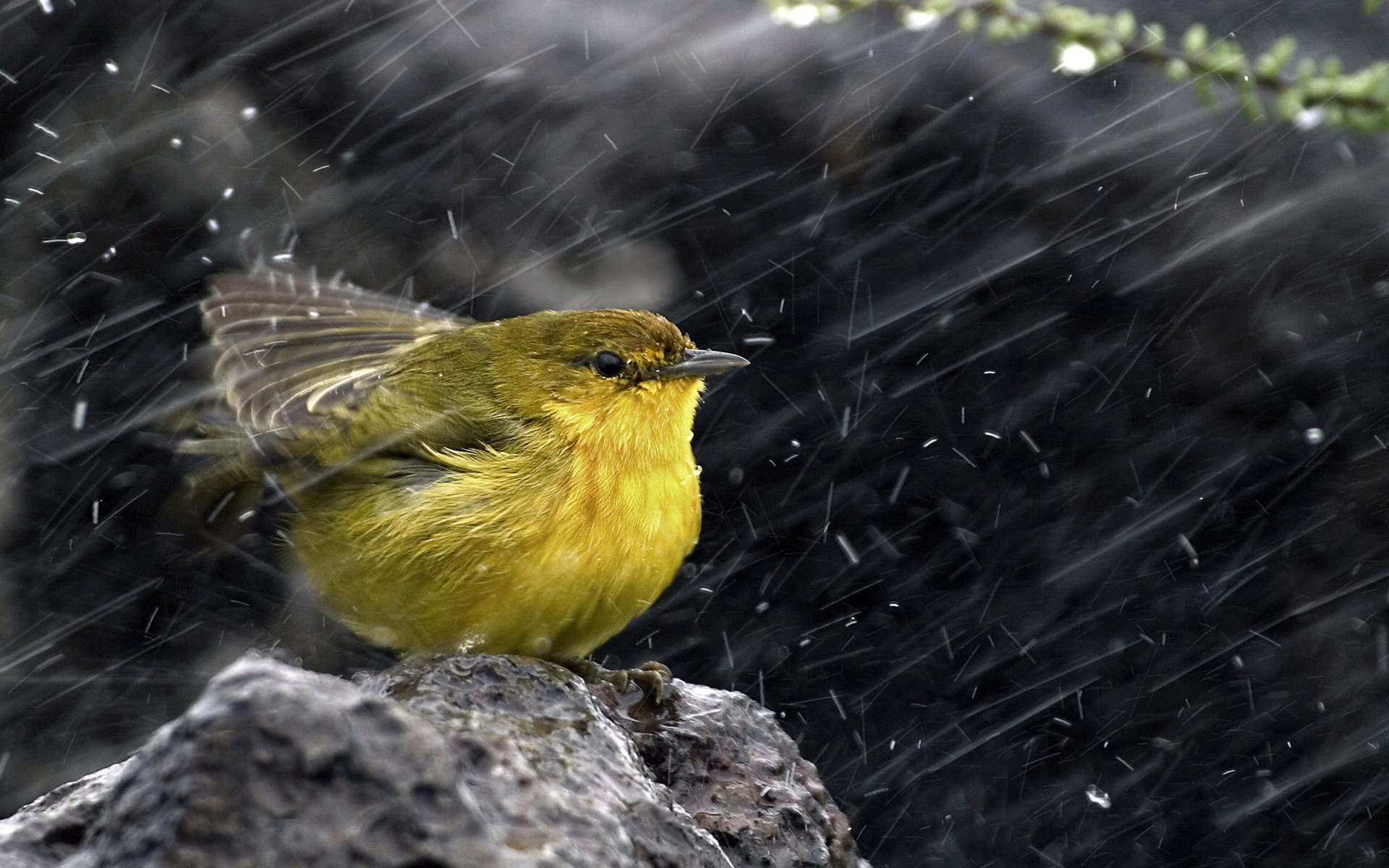
Bird in rainYesterday dawned an overcast but warm day. A fine, summery rain began to fall after breakfast, the kind of rain that is not at all unpleasant to walk in, or turn your face up to. I found it quite refreshing, and was a little disappointed when I could see it was starting to clear. But when I went to my gym class that morning, the instructor ran through her usual greetings, and then declared with surprising intensity (in contrast to her usually serene demeanor, befitting of a yoga instructor) – “I hope it is fine for Christmas and we have no more of disgusting weather!” Continue reading

Nature and the English Diaspora: Environment and History in the US, Canada, Australia, and NZ

nature-and-the-english-diasporaA little while ago, I read a reference to the book Nature and the English Diaspora: Environment and History in the United States, Canada, Australia, and New Zealand, by Thomas R. Dunlap, which was published back in 1999. I don’t have a copy of this book, and not many libraries hold it, so I was keen to find out what the reviews were at the time. However, I was not able to find one single review through my friend, the usually highly reliable Mr Google.

Luckily, I was able to ascertain that New Zealand environmental historian Paul Star had done a review of the book for the journal Australian Historical Studies in 2000, and he has kindly given me his permission to reproduce a version of it here. This review is written from the perspective of a New Zealand scholar of environmental history, so is particularly useful for Antipodeans. Continue reading