On a walk with my family along the beach from Pukerua Bay yesterday, I encountered three kinds of sculptural form: only one of which was a “sculpture” in the more conventional sense. The others were created by humans and nature, but all were equally impressive, giving the sense we were walking through some kind of outdoor art gallery.
Author: envirohistory NZ

Discovering our own “sacred groves”

When I lived in Japan, I took great pleasure from visiting Shinto shrines. Though I am not a religious person, there was something very spiritual and calming about these places. They were a place of solace and quietude. Shrines were sometimes only very small and simple affairs – often hidden in an unexpected corner of a bustling urban landscape. Continue reading
Share this:

Drama over Kapiti Island
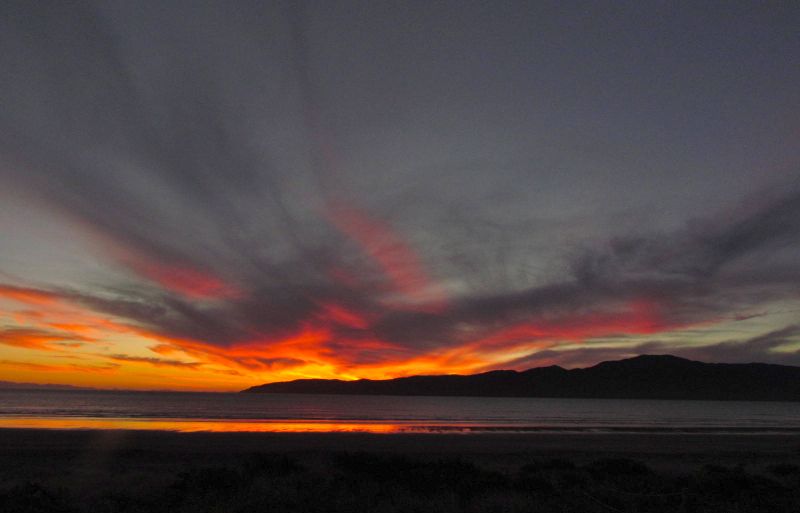 And, in continuation of this ad-hoc series of it’s not always about environmental history, here is a shot of Kapiti Island a few minutes after the previous one.
Share this:

The South Island from the North Island
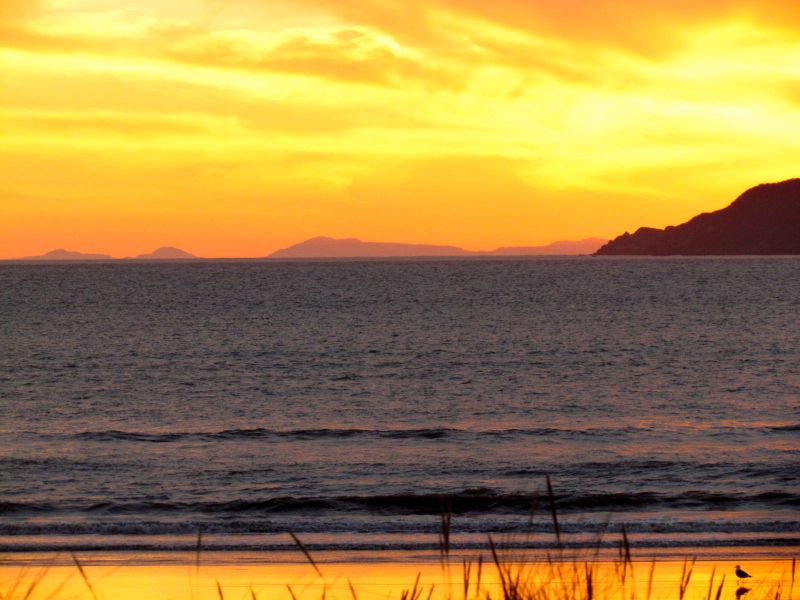 This is another example of “it’s not really about environmental history“, but I couldn’t resist sharing this shot taken from Paraparaumu beach at sunset yesterday. In the foreground is Kapiti Island, and in the background is the top of the South Island – a reminder that a not insignificant amount of the South Island is in fact further north than the lower end of the North Island. This maybe highlights the perils of naming a place after a seemingly self-evident geographic characteristic – but then, “Mostly South Island” and “Mostly North Island” does seem a bit clumsy. Perhaps “Middle Island” was more accurate after all!
Share this:

A precious forest remnant of the Taonui basin
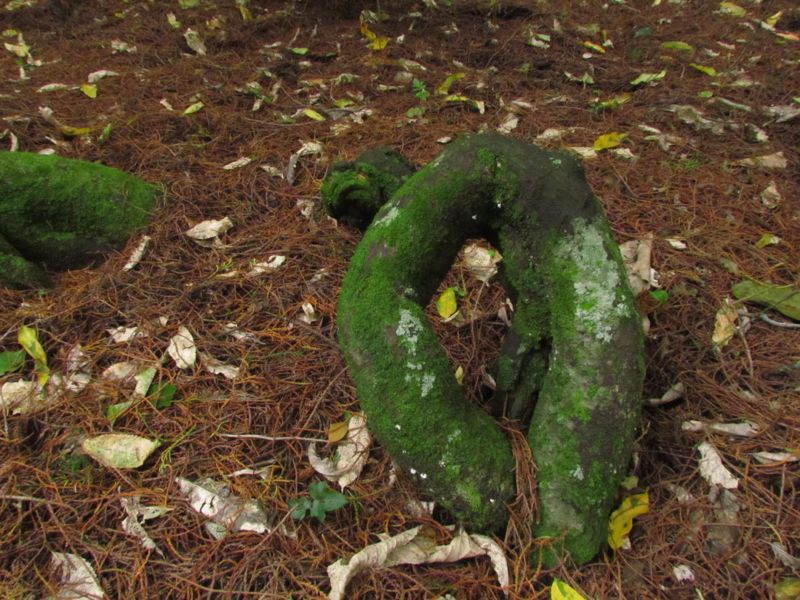 Like intriguing fibrous sculptures emerging out of the forest floor, these are parts of the buttressed roots of a kahikatea, or white pine. Kahikatea is one of the main canopy species of the semi-swamp forest which once grew on the flood plains of the Manawatu and throughout the country [see also: The slaying of our kahikatea forests: how Jurassic giants became butter boxes]. Continue reading
Share this:

The Hautere seagulls
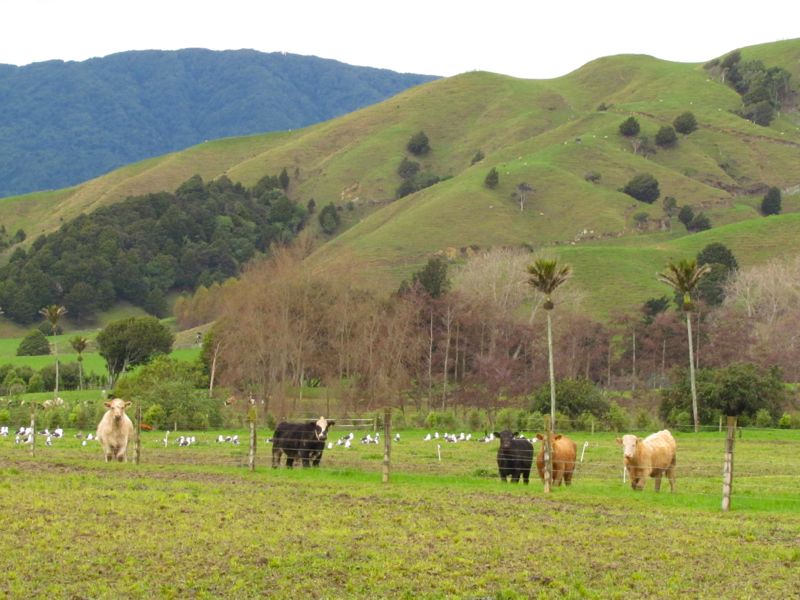 This is a farming landscape that captured my attention while driving along Te Horo Hautere Cross Road yesterday.
This particular location is “Hautere”, just inland from the better known location of Te Horo. We know Hautere by its stone “turnips”, likely brought down from the ranges from a once more powerful river. Continue reading
Share this:

More about seasonal change (fungi)
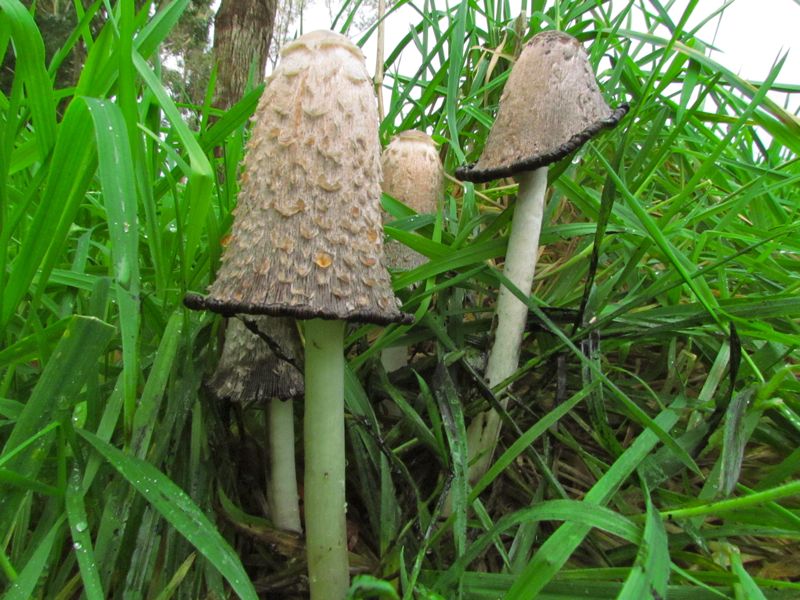 On the subject of seasonal markers, fungi are another sign of the arrival of autumn. Both my four-year old son and I have been delighted by the fungi that seemingly appear overnight under a copse of pine trees near our home. Continue reading
Share this:

The influence of seasons on culture and environmental perceptions
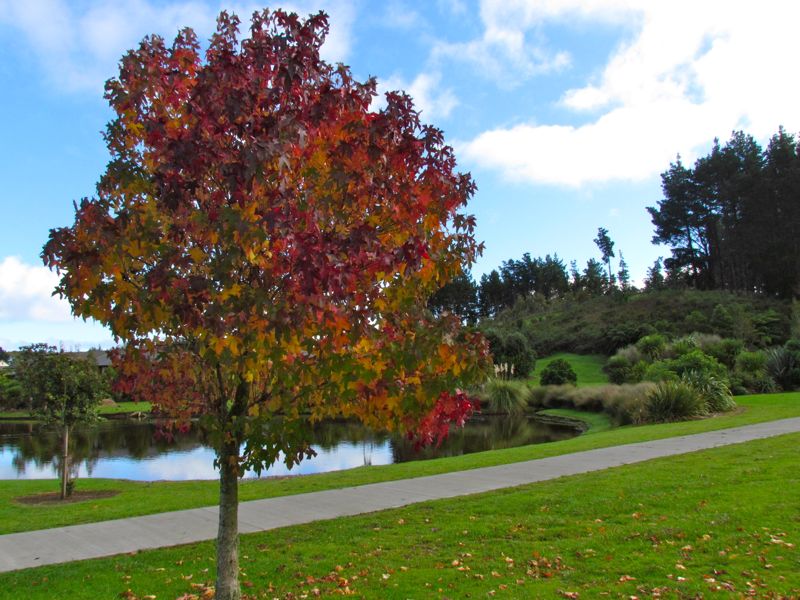
Something that envirohistory NZ‘s northern hemisphere readers may not realise is that in New Zealand’s indigenous landscape there are fewer seasonal markers, particularly on a wider landscape scale. Most of our indigenous forest trees are evergreen rather than deciduous, and few have leaves which change colour with the seasons. Even the flowers of indigenous trees plants tend to be small and rather less showy than their international counterparts.
Share this:

The effect of personal memory on environmental consciousness
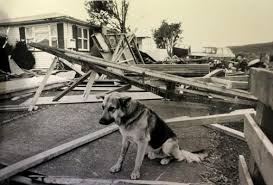
I have often wondered why I am so interested in the link between deforestation, flooding and erosion. I put it down to my love of forested environments, and therefore my interest in the history of these environments. But it has occurred to me that it is perhaps more than this – that it relates also to personal memory, of an event in the environmental history of my lifetime.
That event was Cyclone Bola, which hit the east coast of the North Island in March 1988, when I was a teenager. Continue reading
Share this:

Caterpillars stop train!
 Those of us who get annoyed by white butterfly caterpillars on our cabbages or broccoli may want to spare a thought for pastoral or crop farmers of the late 19th and early 20th century in New Zealand. Some caterpillars were of such plague proportions that on occasion, trains were brought to a screaming (or perhaps more squishy) halt by armies of caterpillars with their sights on a particularly tasty-looking field of wheat or oats. Continue reading

 envirohistory NZ