“Down to the sea in slips”: soil erosion in New Zealand

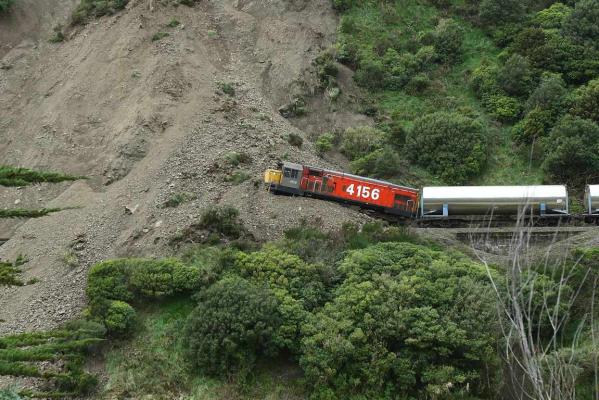
Manawatu Gorge landslide 2010
A landslide in Manawatu Gorge, 2010

Reading a recently published environmental studies text book the other day (New Environmentalism, by Chris de Freitas and Martin Perry), I was reminded of a rather alarming statistic:

New Zealand loses between 200 and 300 million tonnes of soil to the oceans every year. Continue reading

Biophilia as an “environment-sustaining instinct”?

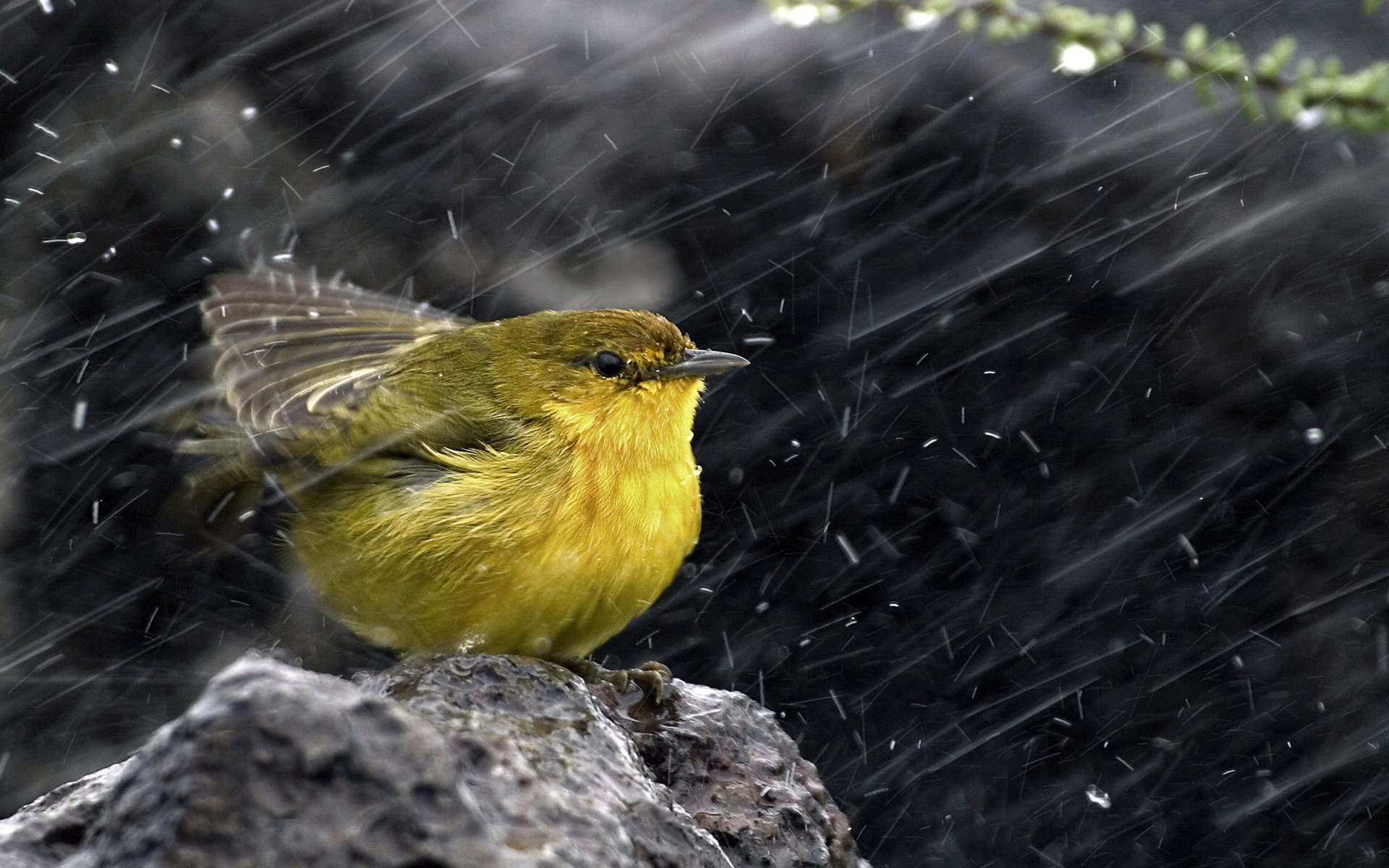
Bird in rainYesterday dawned an overcast but warm day. A fine, summery rain began to fall after breakfast, the kind of rain that is not at all unpleasant to walk in, or turn your face up to. I found it quite refreshing, and was a little disappointed when I could see it was starting to clear. But when I went to my gym class that morning, the instructor ran through her usual greetings, and then declared with surprising intensity (in contrast to her usually serene demeanor, befitting of a yoga instructor) – “I hope it is fine for Christmas and we have no more of disgusting weather!” Continue reading

Nature and the English Diaspora: Environment and History in the US, Canada, Australia, and NZ

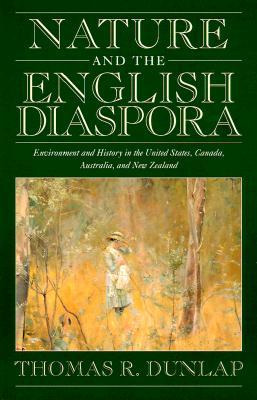
nature-and-the-english-diasporaA little while ago, I read a reference to the book Nature and the English Diaspora: Environment and History in the United States, Canada, Australia, and New Zealand, by Thomas R. Dunlap, which was published back in 1999. I don’t have a copy of this book, and not many libraries hold it, so I was keen to find out what the reviews were at the time. However, I was not able to find one single review through my friend, the usually highly reliable Mr Google.

Luckily, I was able to ascertain that New Zealand environmental historian Paul Star had done a review of the book for the journal Australian Historical Studies in 2000, and he has kindly given me his permission to reproduce a version of it here. This review is written from the perspective of a New Zealand scholar of environmental history, so is particularly useful for Antipodeans. Continue reading

Japanese mountain asceticism: a spiritual approach to the environment

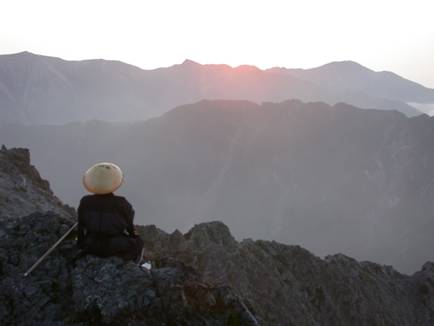
Shugendō priest on mountainToday I watched a recently released documentary film Shugendo Now, which aims to provide the viewer with “an experiential journey into the mystical practices of Japanese mountain asceticism.” While identified as a documentary, the film is more like watching a moving work of art – with minimal narrative, the documentary-makers take the role of observing rather than judging or interpreting, leaving the viewer to draw their own conclusions or to simply “experience” the film.

While environmental history tends to be a predominantly intellectual exploration of the human relationship with the environment, this film reminded me of the myriad other ways human beings can experience the environment. Continue reading

The meaning of landscape

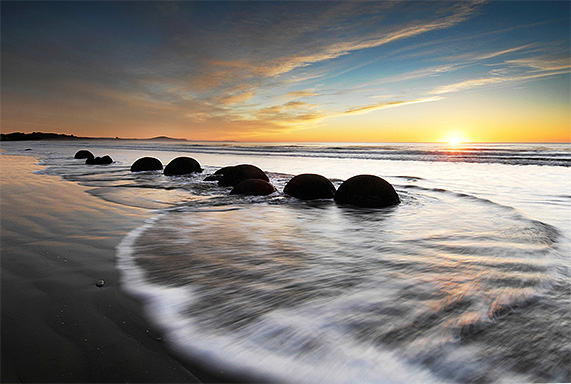
LMoeraki bouldersast week I attended the New Zealand Geographical Society Conference, where I presented on bush burning in the Manawatu. It was an excellent opportunity for those interested in environmental history/historical geographies, with a whole day of panels dedicated to these themes, including a panel focused on the life and works of Kenneth Cumberland (who although a geographer, explored historical geography through much of his work). Continue reading

What is environmental history? (no. 2)

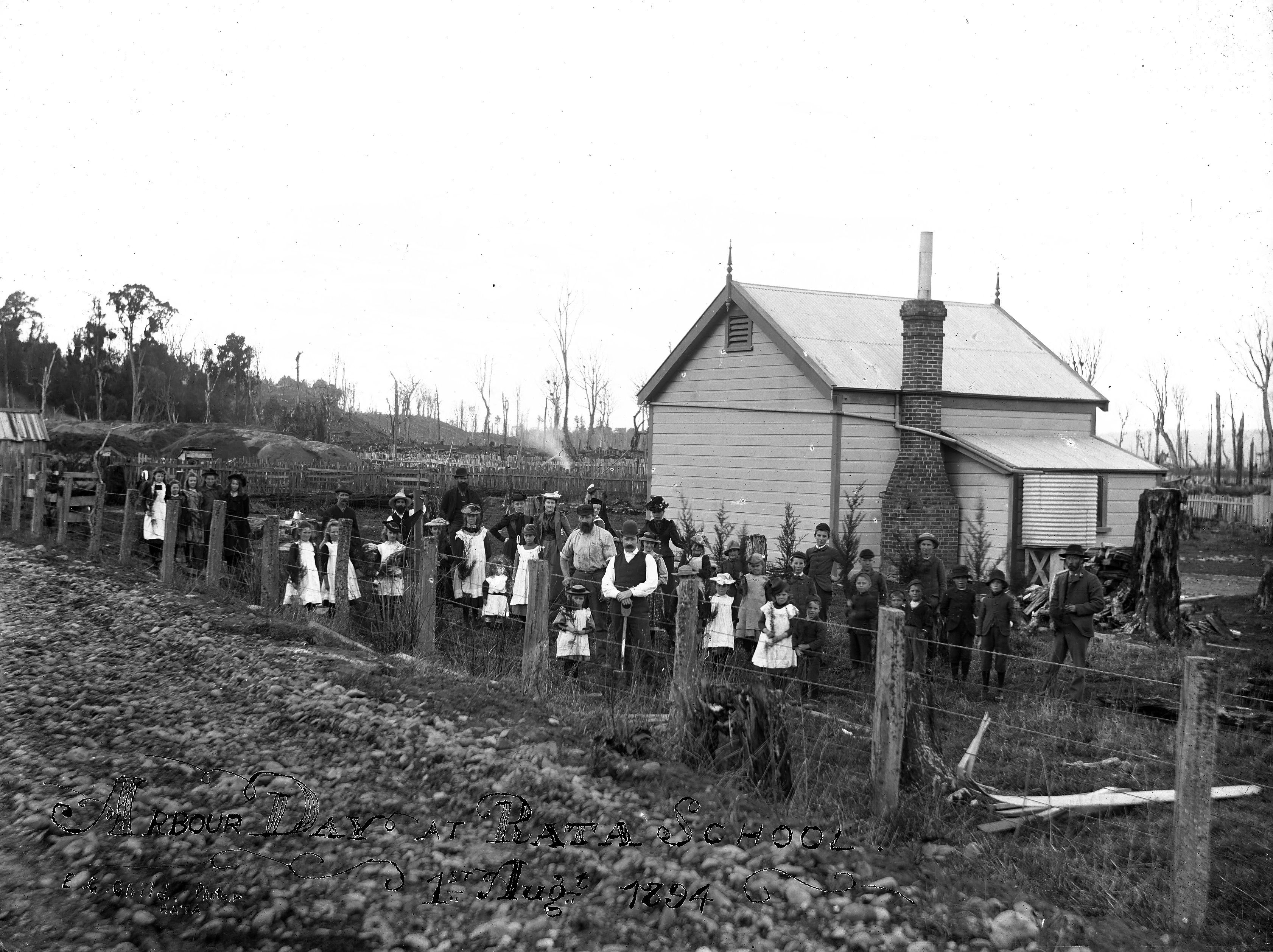
Arbour Day at Rata School 1894Recently I read J. Donald Hughes’ “What is Environmental History?” This is an excellent little introductory book, aimed primarily at those relatively new to environmental history  – whether it be students, those specialising in other disciplines, or non-scholars who have an interest in environmental history. Having never studied environmental history in a formal setting myself, the book provided useful context.

The book is very accessible and unthreatening to even the non-academically inclined in its content as well as its slimness – “models”, “paradigms” or “axioms” are rarely mentioned, and “post-modernism” is only mentioned once, as I recall! Continue reading

The battle for Rai Valley 1898

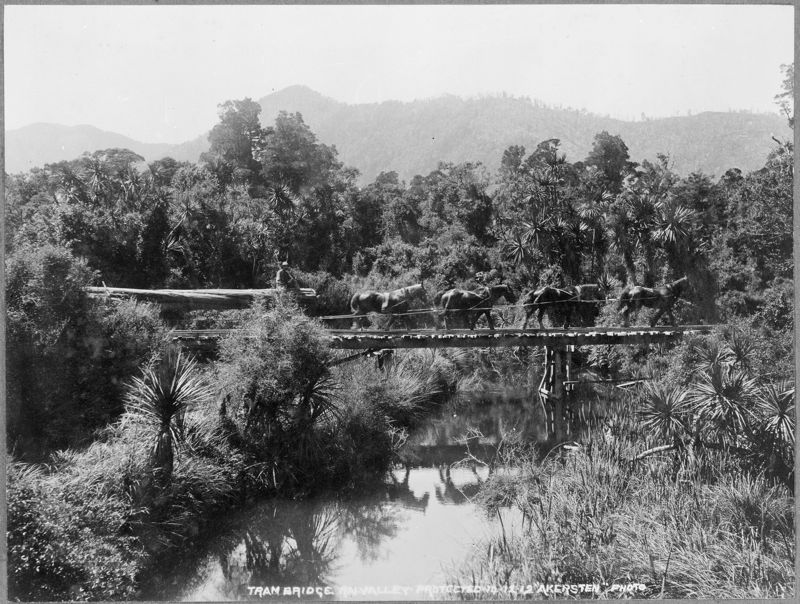
Swamp area in the Rai Valley, Marlborough, with horses hauling a log over a tramway bridge. Photograph taken circa 14 December 1912, by James Raglan Akersten.
Swamp area in the Rai Valley, Marlborough, with horses hauling a log over a tramway bridge. Photograph taken circa 14 December 1912, by James Raglan Akersten. Not to be reproduced without permission of Alexander Turnbull Library, ref ID: 1/2-110328-F

We tend to think of battles for the preservation of indigenous nature in New Zealand as a phenomenon of the last few decades, particularly since Manapouri. However, these battles have been going on in New Zealand well beyond our lifetimes. One early example is the battle for the Rai Valley, located between the South Island towns of Nelson and Blenheim [click here to view location]. This was classic example of the tension between development versus preservation that continues to be a central to New Zealand’s environmental history to this day. Continue reading