New book urges for more nature in our cities

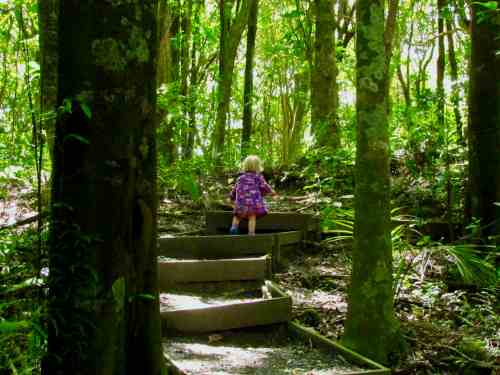
The author’s daughter at a grove of kohekohe trees on the Kapiti Coast. Catherine Knight

In her new book examining the link between nature and wellbeing, environmental historian Dr Catherine Knight explores the benefits of nature experienced by everyday New Zealanders, and argues for more nature in the places where most New Zealanders live – our towns and cities. 

In New Zealand, we think of ourselves as a country rich with nature, but the fact is that most of our surviving forest and pristine waterways are concentrated in the most mountainous parts of the country. They’re preserved not as a result of careful stewardship, but rather an accident of history: it was just too hard to develop and economically exploit these rugged, inaccessible places. Our lowland landscapes are largely bereft of any forests, wetlands or any nature in its original form.

Read more of this article on The Spinoff.

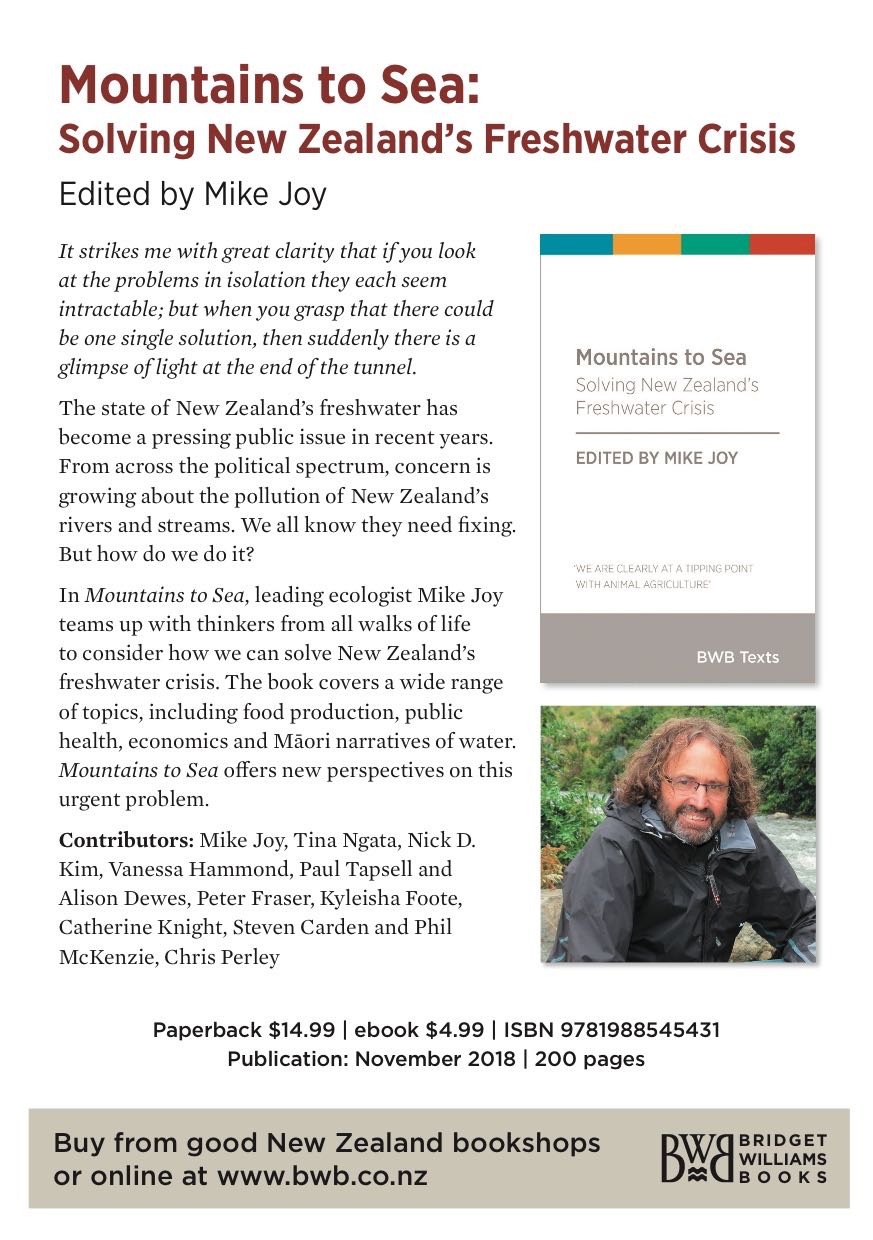
‘Mountains to sea’: New book examines how we can solve NZ’s freshwater crisis

Mountains to Sea flyer

Excited to have been able to contribute to this important book. Due out any day now!

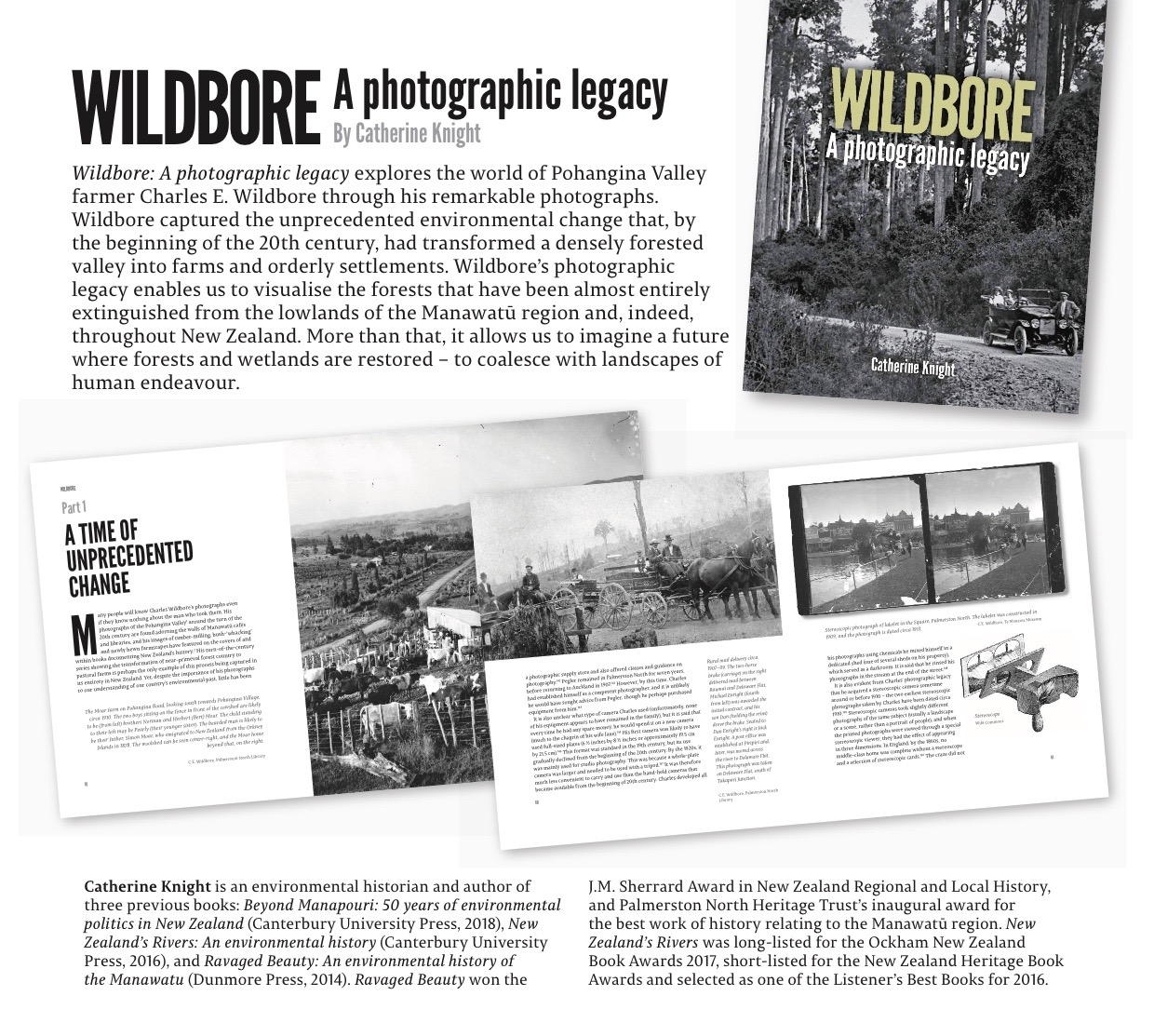
New book explores NZ’s environmental history through photographs

Want to know more about WILDBORE: A photographic legacy, or pre-order a copy? Download an Information flyer.

Wildbore Info Sheet.jpg

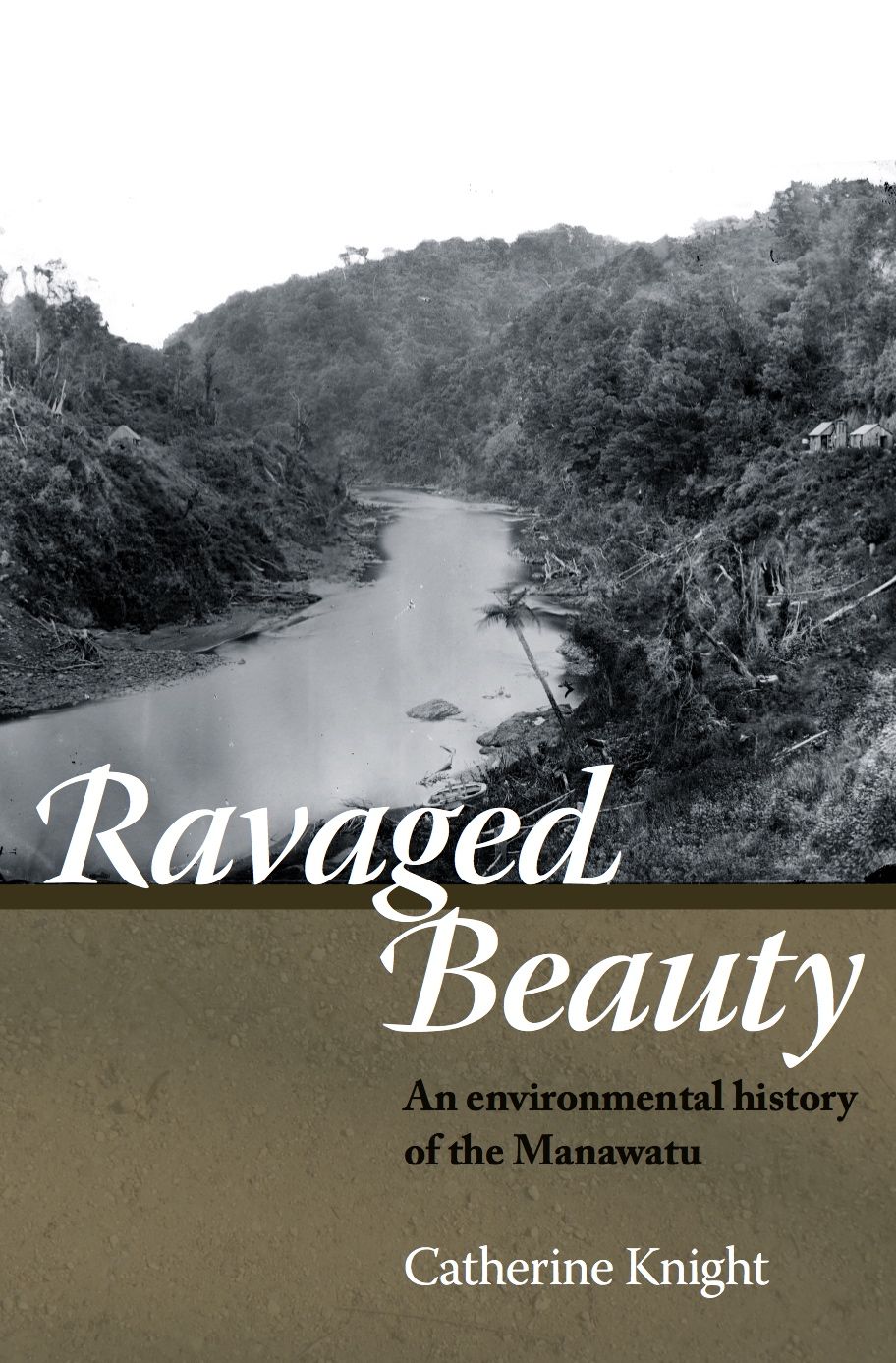
New book: “Ravaged Beauty” – an environmental history

coverThe long-awaited Ravaged Beauty: an environmental history of the Manawatu is available June 2014
.
Ravaged Beauty tells the story of one place, from prehistory to today. But its themes are universal. What motivates the human desire to modify and exploit their natural environment, and have people learned anything from the consequences? Read this new book to find out.
.

Only a century and a half ago, the Manawatu was a heavily forested hinterland: the floodplains were a sea of swamps and lagoons, teeming with birdlife, eels and other fish; the hills and terraces were covered with thick impenetrable forest, refuge perhaps to a few lingering moa. Continue reading