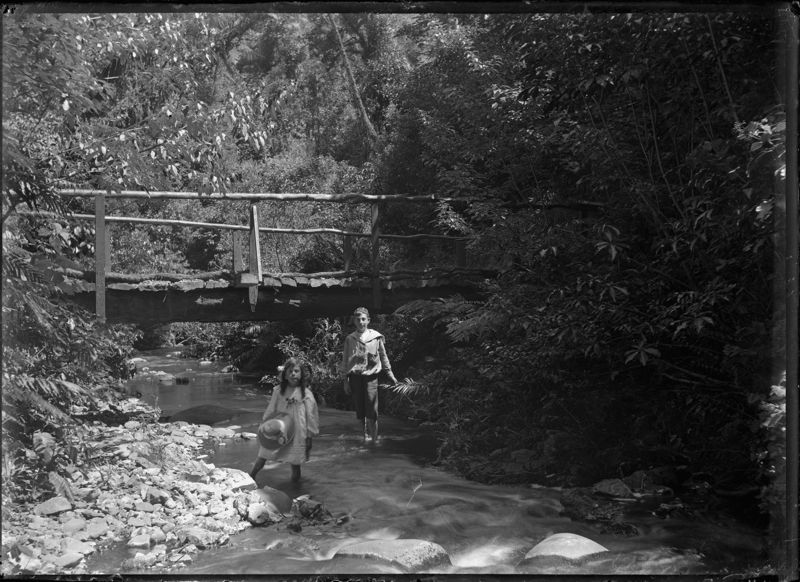
Bush adventures in Hokowhitu

In her 1954 reminiscences of pioneering life in the Manawatu town of Palmerston North, Charlotte Warburton writes about childhood adventures in the bush in the Hokowhitu area, adjoining the Manawatu River.

I grew up in Hokowhitu in the 1970s, not far from the River, but by then there was little sign that anything but the exotic had ever thrived there. Continue reading

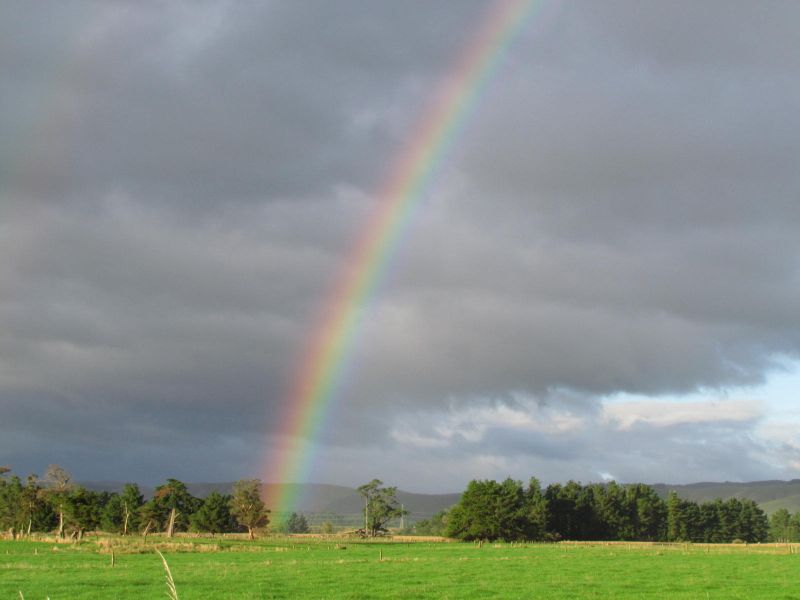
Rainbow over Linton, Manawatu

Driving back from the Manawatu today, we were lucky enough to encounter our second rainbow of the day. This one was particularly spectacular, set against the dusky blue-grey of the Tararua Ranges, and the dark rain cloud-filled sky. This one “ended” among a cluster of regenerating indigenous trees (possibly totara) on fields on the Manawatu River terraces just south of the Linton Army Camp turn-off [click here to view location]. Continue reading

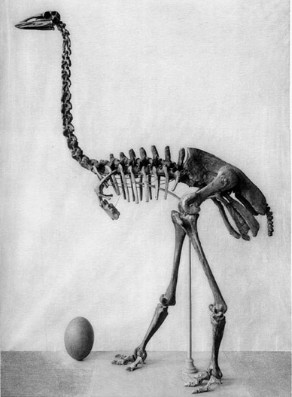
When did the moa become extinct?

The previous post Prehistoric revelations of a Manawatu flood made me curious about other signs of moa habitation in the Manawatu area. I came across an intriguing article in a 1908 newspaper which reports on a find of moa bones in Kimbolton, and the controversy the find created.

The question it raises is, were moa still roaming the densely forested hinterlands of the North Island even as Europeans were first arriving on these shores?

But let the discoverer of those bones tell the story. In a letter to the Feilding Star in July 1908, Mr Thomas A. Bryce, a farmer from Kiwitea (see: Kimbolton and surrounds – “putting the small man on the land”), wrote:

“What time has elapsed since the moa became extinct? Continue reading

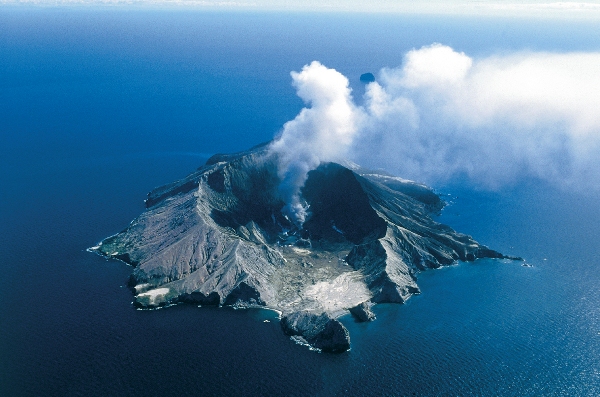
Volcanoes and farming

How do volcanoes relate to farming?

The early settler-farmers of New Zealand soon recognized the limitations of the fertility of the land which they farmed, particularly when it came to arable crops such as wheat. In regions such as the Manawatu, the “black soils” of burnt-off bush country at first produced prolific crops, owing to the minerals contained within the ashes of the burnt bush. However, quite rapidly, this fertility declined. Continue reading

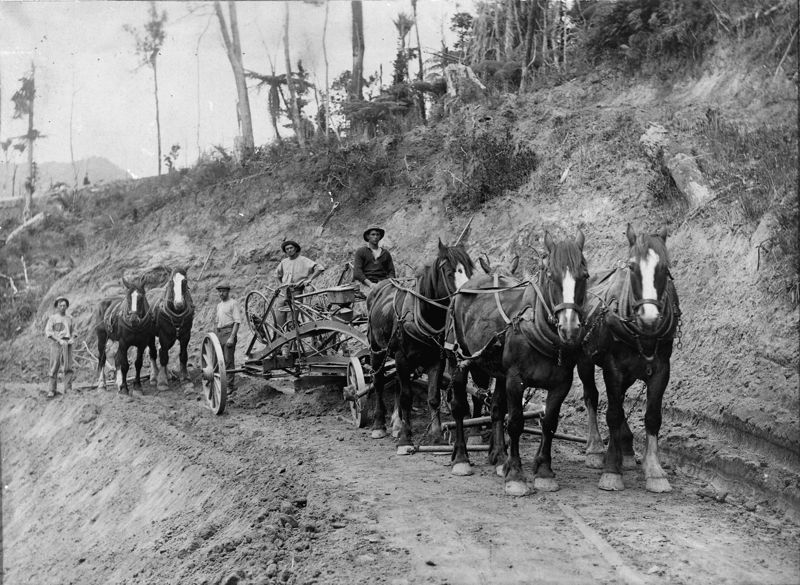
Road-building in the Manawatu, 1868

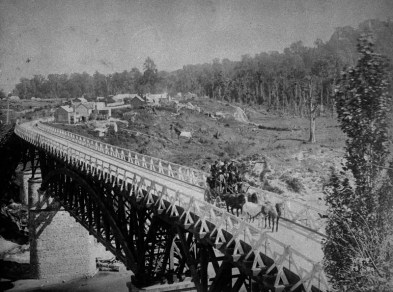
One of the many joys of doing historical research is reading the editorials and letters to the editor in historical newspapers (see also: Manawatu’s environmental past to be documented). People seemed to have been very free with their opinion on all kinds of things – not least of which the doings of government – and used sarcasm, dry wit and irony liberally and adeptly.

One letter I came across recently dates from 1868, and contains the correspondent’s observations on road and bridge-building around the fledgling Manawatu settlement of Palmerston. Continue reading

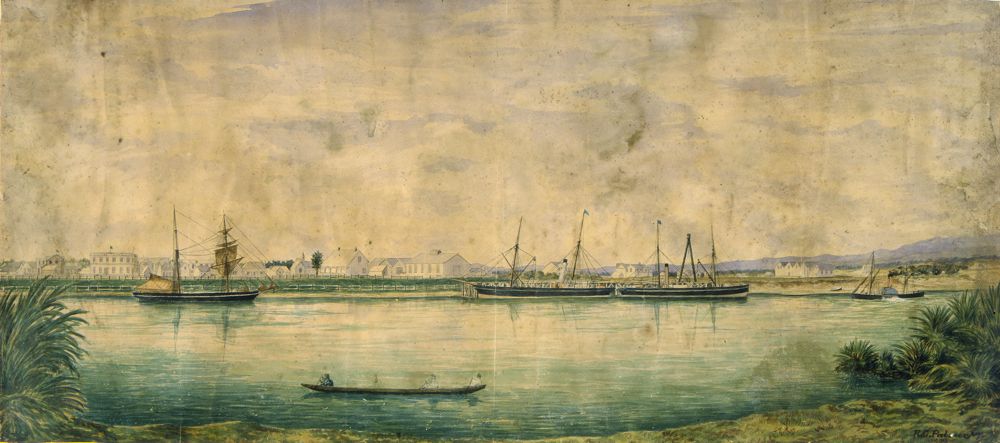
The town that lost its river: the sad story of Piriharakeke

The history and identity of the Horowhenua coastal town of Foxton is intrinsically linked to the Manawatu River. It was once a bustling port town, with ships loaded with flax, timber and other goods travelling down the river and out to markets in Wellington and beyond. While coastal shipping had largely ceased by the early 20th century, the wharf and the river that it served, was an integral part of the town’s identity and economy. Continue reading

The little engine that couldn’t: the Miranui tramway

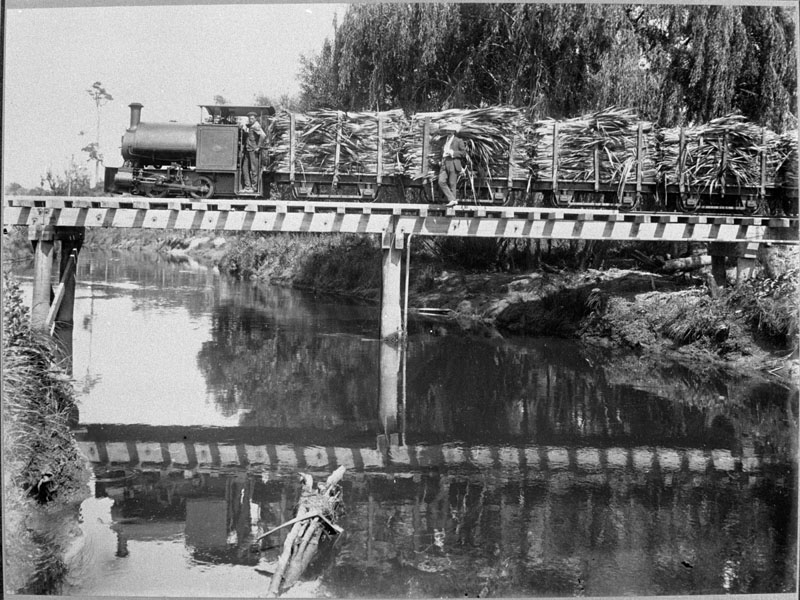
The Miranui flaxmill, located in the Makerua swamp just north of the Horowhenua town of Shannon, was once New Zealand’s largest flaxmill. The mill operated from 1907 to 1933, and had 19 mills, operating 42 flax-stripping machines and employing more than 700 workers during the height of the flax industry in 1916-17. Continue reading

Kimbolton and surrounds – “putting the small man on the land”

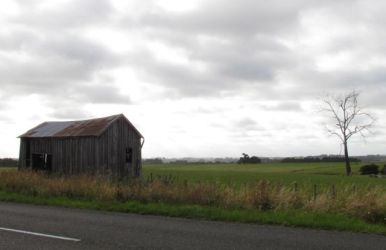
The area between Cheltenham and Kimbolton, north-east of the Manawatu town of Feilding, offers both interesting landscapes and history to the observant traveller [click here to view map]. But here, the history is not so much in what is there, but what isn’t there.

The area, once part of the Kiwitea County, is speckled with illustrious-sounding placenames, such as Almadale, Cheltenham, Beaconsfield and Kimbolton; names of soon-to-be thriving towns on surveyors’ meticulously laid plans, but towns which never grew beyond small villages. Continue reading

Omarupapaku “Old Mother Parker”: the forest that was

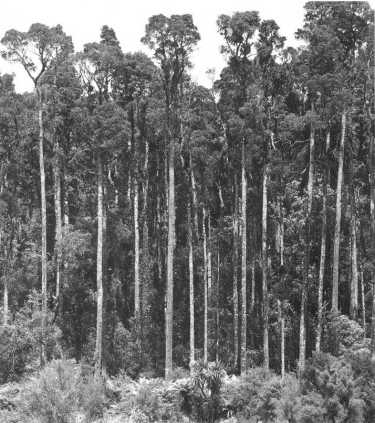
“Round Bush”, an unassuming reserve near the coastal town of Foxton, Manawatu, is a place of great significance – though a casual passer-by would barely notice it, let alone have any sense of this significance.

A description of this remnant swamp forest is thought to be the first recorded account of the botany of the Manawatu. The account was made by E. J. Wakefield, when he passed the mouth of the Manawatu River by ship in February 1840.

He wrote:  “As we ran along within two miles of the shore I saw a remarkable grove of high pine trees, near the mouth of a river called Manawatu, or ‘hold breath’, which flows into the sea about twenty-five miles from Kapiti.” Continue reading

Manawatu’s environmental past to be documented

envirohistory NZ‘s founder and primary contributor, Catherine Knight, has been awarded a New Zealand History Research Trust Fund Award in History to research the environmental history of the Manawatū. The project, tentatively entitled “Forested hinterland to pastoral province: the environmental transformation of the Manawatū”, will ultimately result in a book. The research will canvass the region’s history from its Māori settlement through to the present day, and will make use not only of historical, archaeological and archival records, but also the latest palaeoenvironmental research. Continue reading