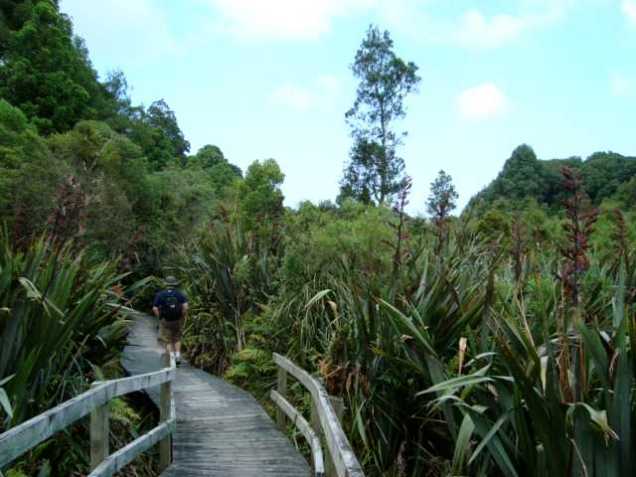
 Through time, not only has our environment been transformed, but also the way we perceive it and the words we use to describe it. No example illustrates this better than the “swamp” to “wetland” transformation. When European settlement of New Zealand began in earnest about 150 years ago, about 670,000 hectares of freshwater wetlands existed. By the 20th century, this had been reduced to 100,000 hectares. Continue reading
Environmental History

Destruction of our forests over time
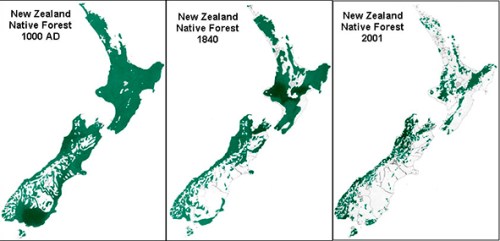
Prior to human colonisation, it is thought that the New Zealand landmass was almost entirely covered in forest, apart from alpine areas. Between the beginning of Polynesian settlement in New Zealand around the fourteenth century and the beginning of organised European colonisation in the nineteenth century, it is estimated that forest cover was reduced by about half, largely through fire. When the European settlement of New Zealand began in earnest in the 1840s, it is estimated that forest, or ‘bush’ in the vernacular, covered about two thirds of the North Island and about 25 to 30 per cent of the South Island. In the decades that followed, bush was destroyed through milling and fire to make way for settlements and farms. By 1900, forest cover had been reduced by half again, to about 25 per cent.
Figure (below): Forest cover AD 1000, 1840, 2001 (Source: Kiwi Conservation Club)
Share this:

Why is understanding our environmental history so important?
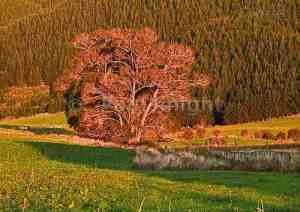 When we travel through New Zealand’s countryside, very few of us recognise that much – if not most – of the “nature” we see around us is not “natural” to this land. The grass pastures of our farms, the ubiquitous stands of macracarpa or poplars, the willows along our river banks, and the vast expanses of radiata pine forest – all of these landscapes have been created by our forebears using introduced exotic species. But, irrespective of whether the trees and plants that make up the landscape are indigenous or exotic, many people find our rural landscapes attractive and a source of pleasure – so why should it matter? Continue reading

 envirohistory NZ