envirohistory NZ podcast – episode 3 out now!

Episode 3 of the envirohistory NZ podcast series is now out. This episode explores three environmental histories – one local, one national and one international. The first story is of Wharemauku Stream, a small stream which runs through Kapiti, but which tells a story that extends beyond its geographical bounds. The second is former Green Party co-leader Jeanette Fitzsimons’ review of the last 35 years and what shifts she has observed in New Zealanders’ attitudes towards the environment. The third story is of Canadian forester – Leon MacIntosh Ellis, who immigrated to New Zealand to take up the first Director of Forests position in the new colony, and shape forestry in this country for years to come.

16 April 10   Episode 3 – Three environmental histories – local, national and international (12: 35 mins)

Music creditPolly’s song by Donnie Drost, available from CCmixter.

Comparing histories – nature conservation in Japan

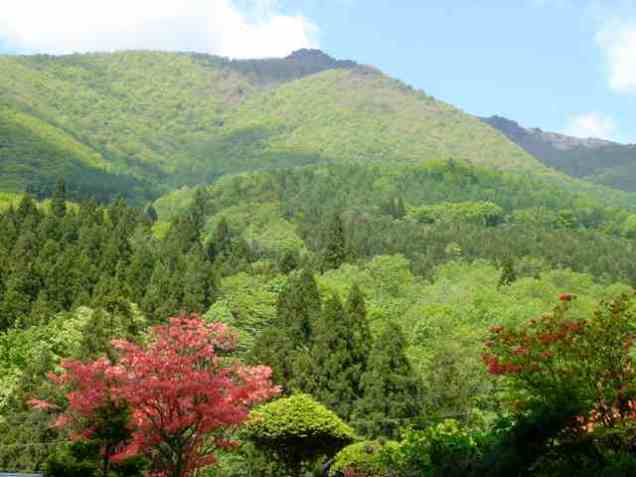
Geographically, Japan and New Zealand are strikingly similar: they are both longitudinally narrow and latitudinally long archipelagos of similar land-mass, and of comparable distance from the respective poles. They are both prone to seismic activity, and predominantly mountainous.

However, unlike New Zealand, Japan’s uplands are still largely forested – about 69 per cent of Japan is under forest, albeit over half of it comprised of exotic coniferous species. Continue reading

We want your contributions!

Everyone has environmental histories to share (for example, see The lawn mower Part 2 – an enduring relationship). These are stories about our interactions with the environment, and the realisations we make from these. For instance, older people in Kapiti have shared how they used to row boats down the Waikanae River as children (but how now, the water is reduced to a trickle for much of the year and any kind of boating activity would prove a challenge). Or, people may remember catching eels or freshwater crayfish in the creek down the back of the farm as a child — a much less common children’s pastime today… Continue reading

Totara Reserve: from exploitation to conservation

Totara Reserve is situated in the Pohangina Valley on the eastern side of the Pohangina River, in the Manawatu [click here to view location]. It encompasses an area of 348 hectares, much of it podocarp forest, made up of totara, matai, rimu and kahikatea, as well as some black beech.

Its history as a reserve began in 1886, when it was gazetted under the provisions of the State Forests Act (1885) as a ‘reserve for growth & preservation of timber and for river conservation purposes’. This at a time when the area was been ‘opened up’ for settlement – settlement in the Pohangina Valley area began with Ashhurst in March 1879.

In 1932, a portion of the Reserve was designated as a Scenic Reserve under the provisions of the Scenery Preservation Act 1908, and vested in the Pohangina County Council. Continue reading

Forest degradation and bears

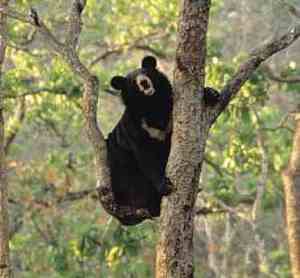
In New Zealand, deforestation has led to chronic erosion, loss of soil fertility and serious floods. However, in other countries, deforestation – or afforestation with plantation species – can lead to a quite different set of problems. Such as bears!

A recent Japan Times article, “Bearing the Brunt”, outlines the problem of increasing human-bear conflict in Japan. The primary author of envirohistory NZ, Catherine Knight, examined the human relationship with bears in Japan through history for her doctoral thesis, and is quoted in this article. She believes that degradation of the bears’ forest habitat is the key factor in the bears’ increasing tendency to encroach into human realms for food. Extreme weather, as a possible result of climate change, is likely to have exacerbated this problem, providing a potential explanation for the recent spikes in bear incidents.

Why is understanding our environmental history so important?

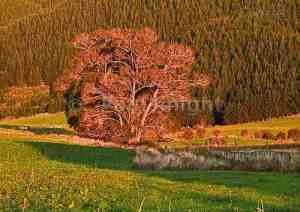
When we travel through New Zealand’s countryside, very few of us recognise that much – if not most – of the “nature” we see around us is not “natural” to this land. The grass pastures of our farms, the ubiquitous stands of macracarpa or poplars, the willows along our river banks, and the vast expanses of radiata pine forest – all of these landscapes have been created by our forebears using introduced exotic species. But, irrespective of whether the trees and plants that make up the landscape are indigenous or exotic, many people find our rural landscapes attractive and a source of pleasure – so why should it matter? Continue reading