![Plan of lagoons and channels dug by Maori at the mouth of the Wairau River, drawn by J.L. D'Arcey Irvine. Alexander Turnbull Library, MapColl 832.2gmtb [pre-1840] Acc. 120](https://envirohistorynz.com/wp-content/uploads/2014/08/wairau-lagoon-maori-channels.jpg)
commentary

Fairy in the kitchen
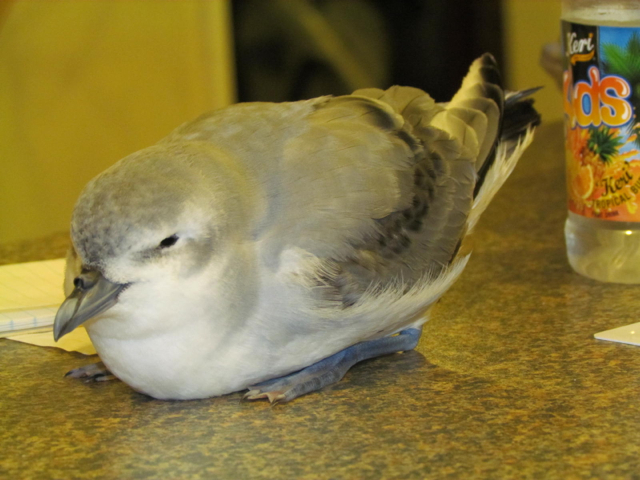
There are probably not many who can claim to have had a fairy in the kitchen, but we can. We came home after work today to find an unexpected visitor: a small grey bird with webbed feet huddled in the backyard. Our border collie had been considerately keeping it company. We brought the little chap inside out of the weather into a towel-lined box, an arrangement he seemed perfectly happy with. Continue reading
Share this:

Christchurch on the “old delta of the River Waimakariri”

I have been trawling historic newspapers in Papers Past in my efforts to research early European attitudes to New Zealand’s rivers. In the course (unintended pun) of doing so, I stumbled upon a report on the drainage of the city, submitted to the Christchurch City Council in 1864 by the City Surveyor. It is illuminating given the city’s struggle with flooding following the Canterbury earthquakes. Continue reading
Share this:

The waterfall of Waterfall Road & other treasures
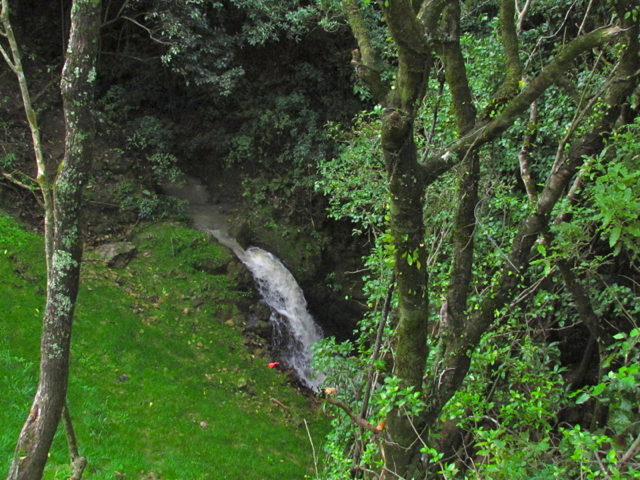
Longtime envirohistory NZ followers might remember how my husband and I stumbled upon the international phenomenon of geocaching entirely by accident (see Hidden treasure at Otaki Gorge). Geocaching involves searching for caches that have been hidden by members of the worldwide geocaching community, using GPS coordinates and other clues. Continue reading
Share this:

Whose rivers are more pleasant? New Zealand vs England
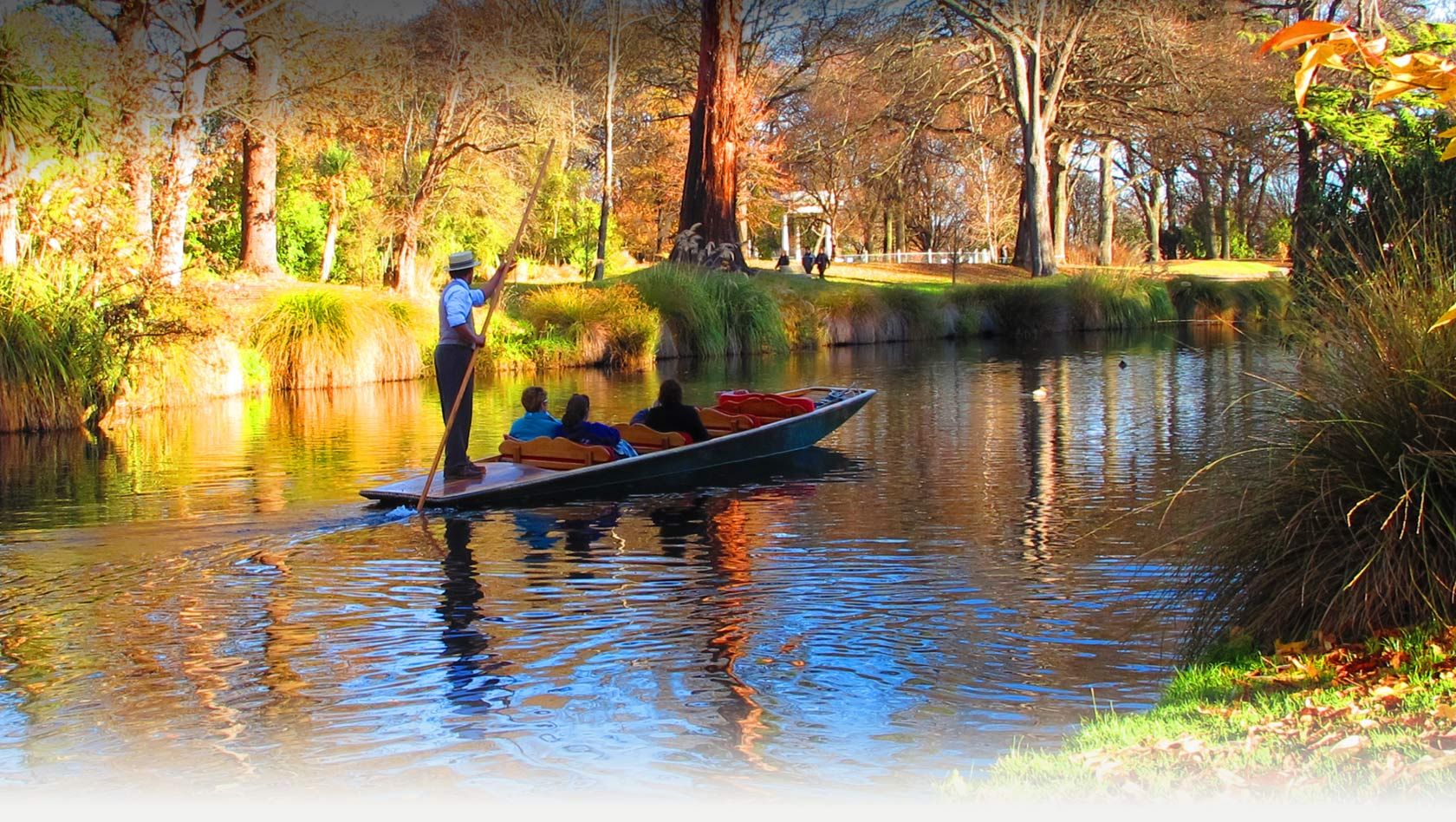
Reading Andrew McRae’s paper “Fluvial Nation: rivers, mobility and poetry in Early Modern England”, I was struck by its opening statement.
In 1665, the speaker of the House of Commons, addressing the King and Parliament reflected that: “Cosmosgraphers do agree that this Island is incomparably furnished with pleasant Rivers, like Veins in the Natural Body, which conveys the Blood into all the Parts, whereby the whole is nourished, and made useful.” Continue reading
Share this:

Rivers in New Zealand: deadly, destructive … but quite useful
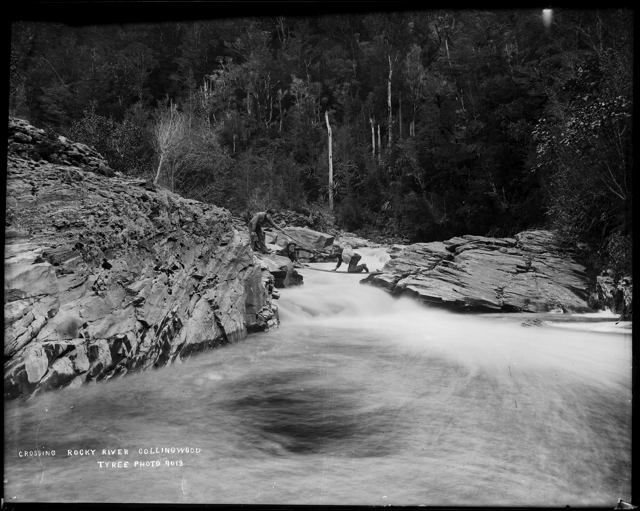
The Manawatu River was a defining feature of the Manawatu Region, which was the subject of my recently published book, Ravaged Beauty. This has led me to research the environmental history of our rivers more broadly. Continue reading
Share this:

When is a river a drain?
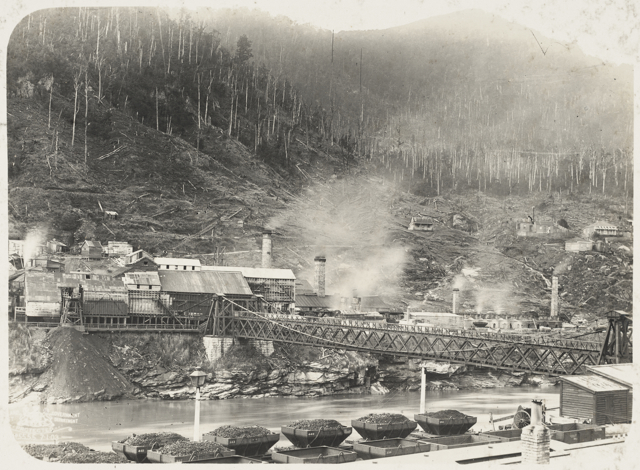
Some may argue that too often rivers are treated like drains even today, but a century and a half ago, rivers were drains under this country’s law.
Under the Public Works Act 1876, “drain” was defined to include both artificial channels and “every natural watercourse, stream, and river not navigable” (s. 165). Under the Mines Act, certain rivers could be proclaimed “sludge channels”, as was the case with the Waihou and Ohinemuri Rivers in Waikato. Continue reading
Share this:

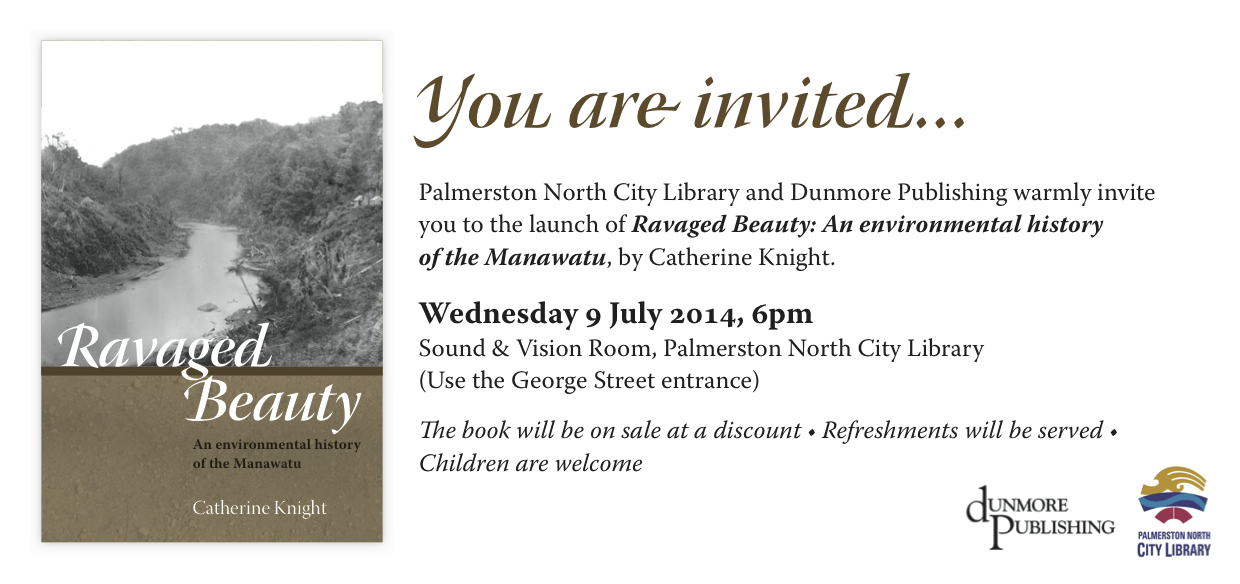
Ravaged Beauty launch – your invitation
Share this:

Upcoming environmental history symposium – register now
Paper proposals are now being invited for an upcoming environmental symposium at Otago University, Dunedin: The Colonial World: Elemental Histories — download flyer —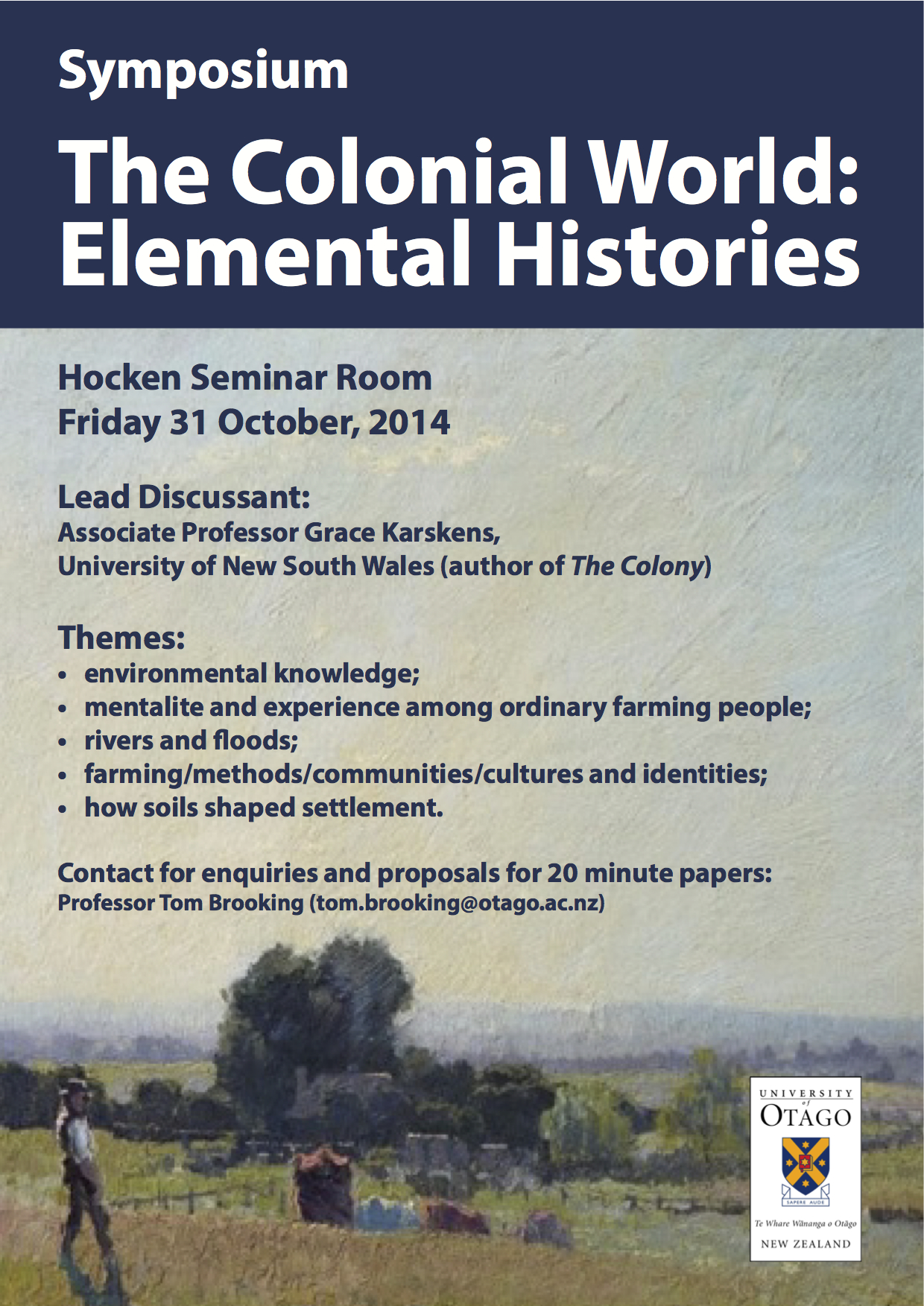
Share this:

New book: “Ravaged Beauty” – an environmental history
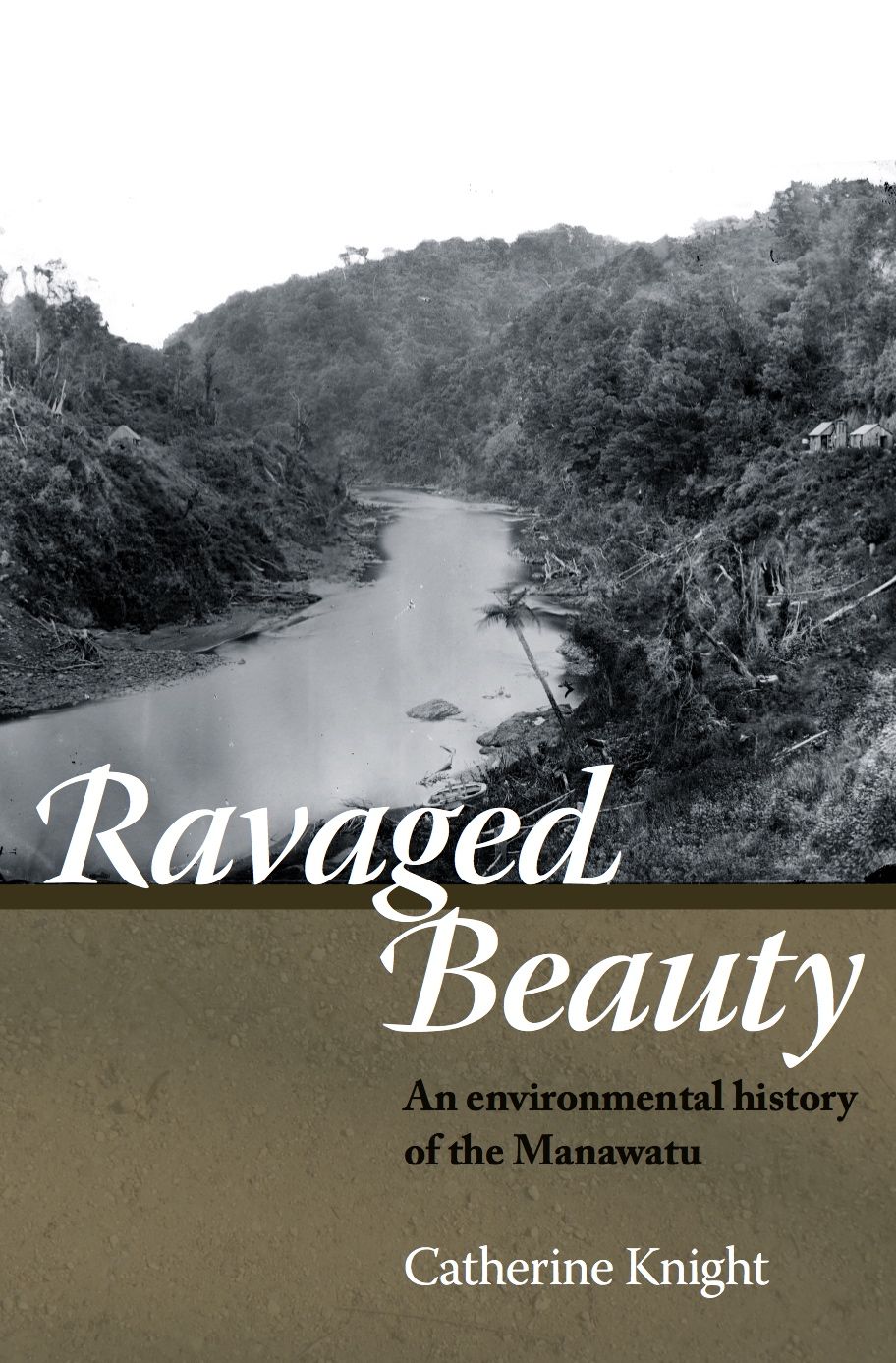 The long-awaited Ravaged Beauty: an environmental history of the Manawatu is available June 2014
.
Ravaged Beauty tells the story of one place, from prehistory to today. But its themes are universal. What motivates the human desire to modify and exploit their natural environment, and have people learned anything from the consequences? Read this new book to find out.
.
Only a century and a half ago, the Manawatu was a heavily forested hinterland: the floodplains were a sea of swamps and lagoons, teeming with birdlife, eels and other fish; the hills and terraces were covered with thick impenetrable forest, refuge perhaps to a few lingering moa. Continue reading

 envirohistory NZ