Landscape and identity in NZ

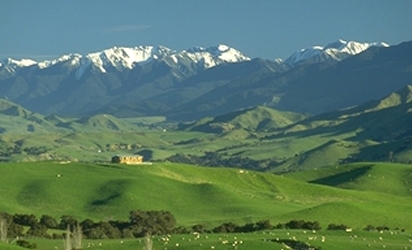
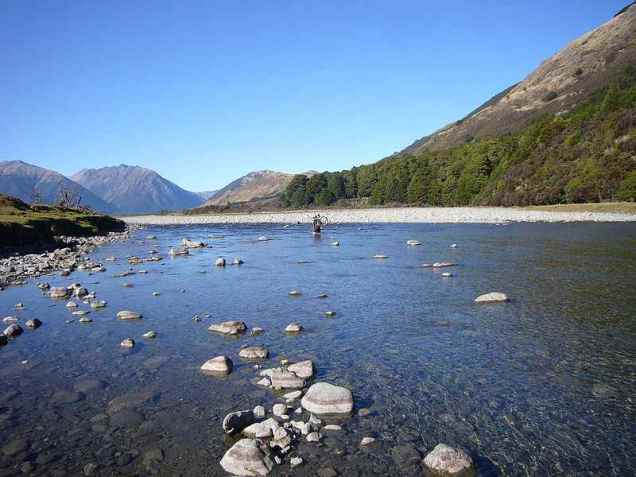
A new book called “Beyond the Scene: Landscape and Identity in Aotearoa New Zealand”, is made up of eleven essays by a diverse range of writers reflecting on a landscape that is important to them. The writers range from farmer, art historian, geographer, landscape architect, environmentalist and poet, among others. Continue reading

Maori gardening in pre-European NZ

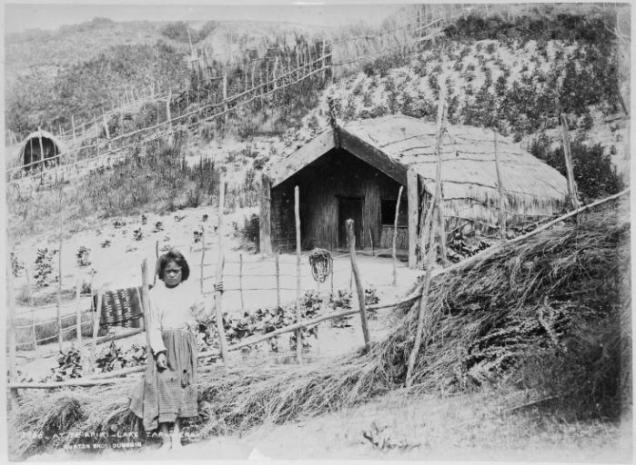
Horticulture was integral to pre-European Maori culture. As Bee Dawson states in “A history of gardening in New Zealand”, the ability to produce reliable garden crops influenced the settlement patterns of early Maori. Thus, the warmer areas of the North Island, particularly those with fertile volcanic soils, supported much larger populations than those further south where both climate and terrain made horticulture less viable. The northern two-thirds of the North Island proved most rewarding in terms of horticultural production, while Banks Peninsula in the South Island marked the southern limit of Maori horticulture. Continue reading

Weeds – the great European invasion

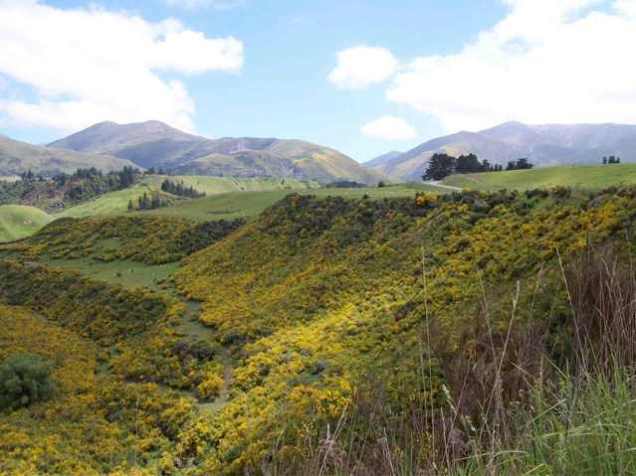
As Bee Dawson relates in “A history of gardening in New Zealand”, when Europeans began to settle in earnest in New Zealand in the early to mid-19th century, they not only brought with them “productive” plants,  but many other plants, which soon became invasive “weeds”. Continue reading

envirohistory NZ hits 10,000!

Today, the day before World Environment Day, the envirohistory NZ website got its 10,000th hit. The website – the first of its kind in New Zealand – was launched on November 15 last year, and since then has received attention from over 60 countries around the world.

This is a good opportunity to say a big thank you to all our subscribers, visitors and contributors for your ongoing support.

From cesspits to sewers: a tale of wastewater treatment

The post on the history of pollution in the Manawatu River has been one of the most popular posts on this website. This post adds to that story with a history of Palmerston North’s sometimes beleaguered sewerage system.

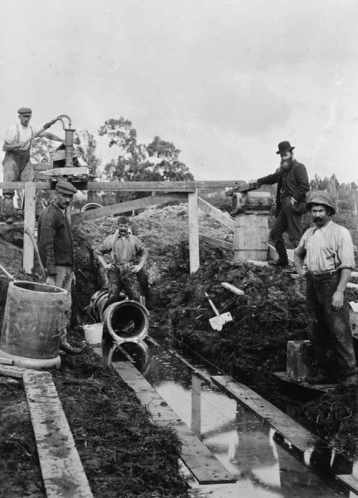
In the 1870s, the early years of the township, there was no sewage network. Instead, households had “long-drops”, while hotels and boarding houses built cesspits to bury “nightsoil”. By 1877, the odour from these was becoming unbearable in some locations, and in 1879, the borough council prohibited the digging of open cesspits, instead creating a ten acre “sanitary reserve” for the burial of nightsoil and household refuse.

Continue reading

The Hurunui, born in a nest of shale…

I have just finished reading The Water Thieves by Sam Mahon. Sam Mahon is an artist who lives in renovated flour mill in Waikari, North Canterbury. He was recently in the news for his bust of Environment Minister Nick Smith, made entirely of cow dung. The bust was created as part of a campaign to stop the Hurunui River from being dammed for irrigation. Continue reading

Perano – the last whaling station in New Zealand

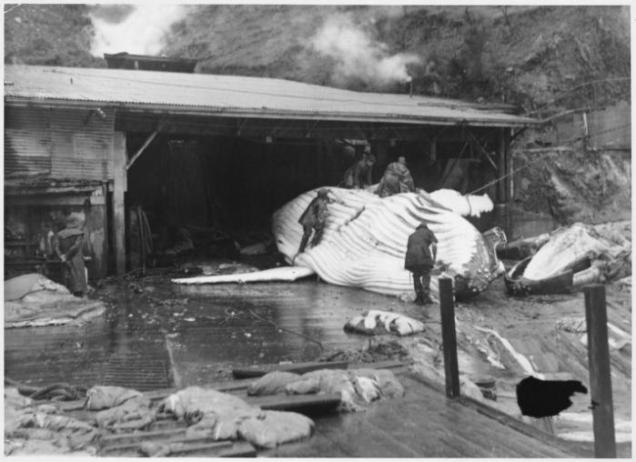
Today, we pride ourselves as being a fervently anti-whaling nation.  And while most New Zealanders know that whaling also occurred in our coastal seas and on our shores, many would also assume that whaling in this country ended sometime in the late 19th or early 20th century. In fact, this is not the case – the last whaling station in New Zealand closed down only in 1964. Continue reading

Mountains, bears and conservation in Japan and New Zealand

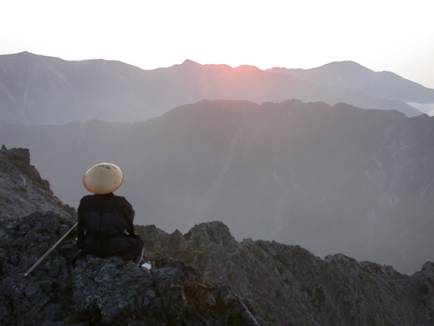
Mountains, bears and conservation in New Zealand and Japan are topics featured in an interview with envirohistory NZ founder, Catherine Knight on the latest episode of Exploring Environmental History.

From Exploring Environmental History: “On the podcast Cath briefly talks about the origins and topics of the blog before exploring her work on Japanese environmental history. Continue reading

What is natural? – the tussocklands of Otago

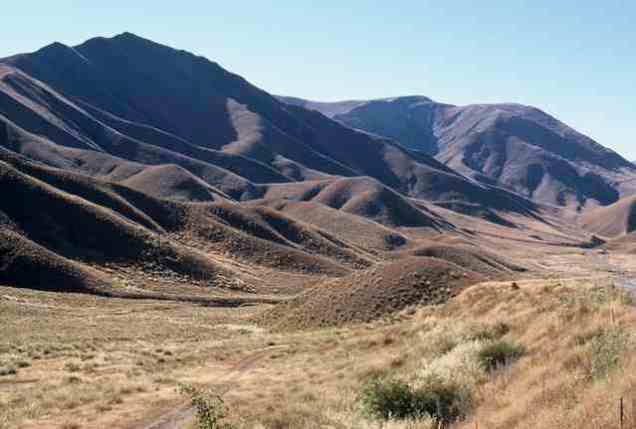
The dramatic tussock-lands of Lindis Pass are one the iconic landscapes of the South Island, and much admired by the traveler on their way from Canterbury to Queenstown or beyond. So iconic has this landscape become, it is hard to believe that while the tussock vegetation is “indigenous”, it is not “natural”. Rather, it is a human-induced landscape.

Lindis Pass is part of an extensive “dryland zone” which extends along much of the eastern part of the South Island [see map below right]. Continue reading

In praise of boys (and intergenerational learning)

This post differs from most of the other posts on this site, in that it is a lot more personal in nature. It acknowledges two very important “men” in my life – my husband, Clive, and my son, Carter.

My husband is the inspiration and the one-man technical support team behind this website. Clive knows how important thinking and communicating about environmental history and related subjects is to me, and felt that this would be an ideal mechanism to enable me to express myself and engage with others on this topic. If it was not for his initial idea, and his ongoing support and encouragement, this site would not exist. Clive is also a school teacher and has been involved in Enviroschools and other initiatives to encourage student learning about the environment through direct experience. Continue reading