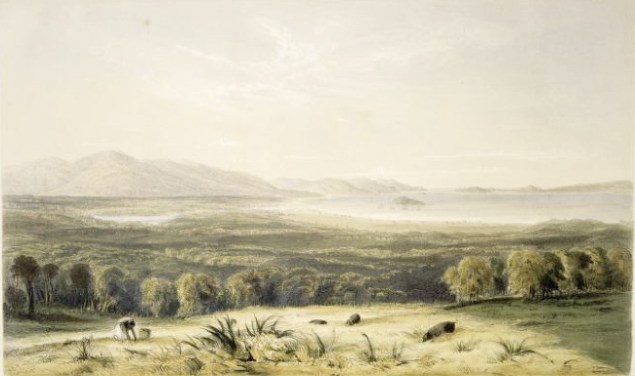
Views of Kapiti 4: Maungakotukutuku Valley

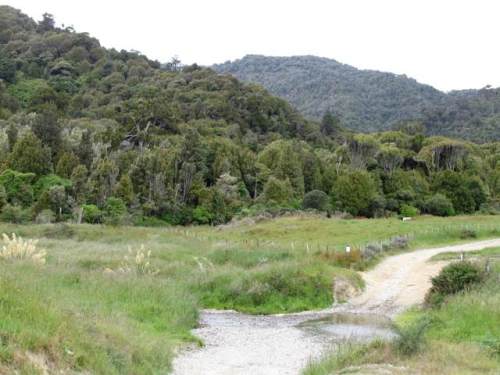
This morning, Carter and I had some time to kill before his first ever appointment with the dental nurse, so we went for a drive up Maungakotukutuku Road,* south-east of Paraparaumu [click here to view location]. This is narrow, windy road, best taken very slowly and carefully (especially in a Kia Picanto!), so it was a good time of day to explore it. The low cloud and light, misty rain added to the sense of mystery and adventure. Continue reading

A photographic treasure trove of New Zealand’s natural heritage

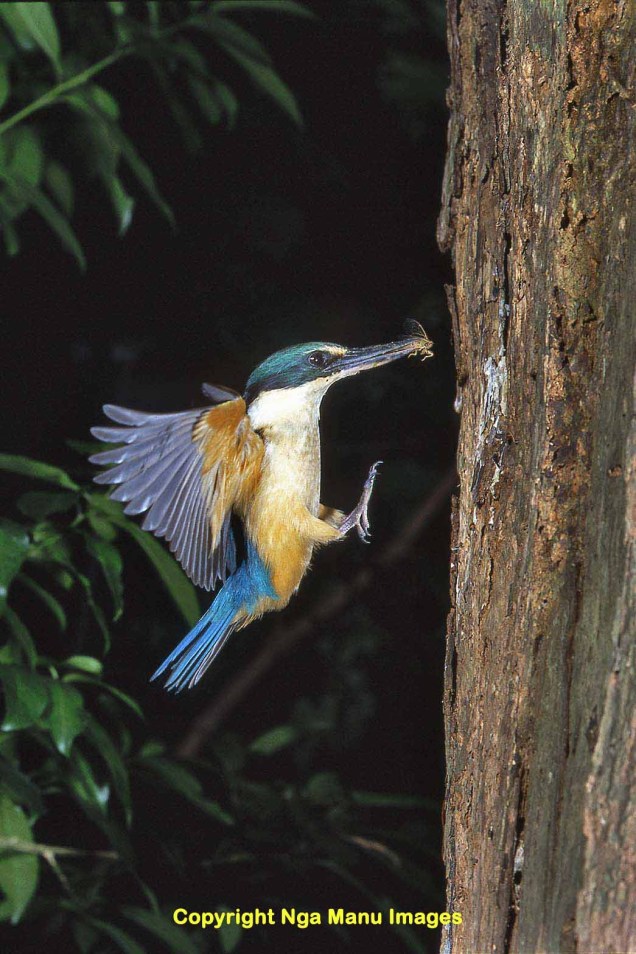
Nga Manu Images is an online photo library created by Dave Mudge and Peter McKenzie, founder trustees of Nga Manu Trust, a charitable trust dedicated to the conservation of New Zealand’s flora and fauna, and conservation education. The Trust founded the Nga Manu Nature Reserve, just north of Waikanae on the Kapiti Coast, featured on this website. What makes this photo repository so unique is that, in keeping with the Trust’s objectives, these images are available free of charge for conservation advocacy and education purposes, as well as non-commercial personal use.

Many of the images on this site are part of a more than three decade-long project to develop a pictorial record of the ecology of Nga Manu Nature Reserve, recording the plants and wildlife and the way they interact. Continue reading

The spoonbills are back! Mixing homes with nature

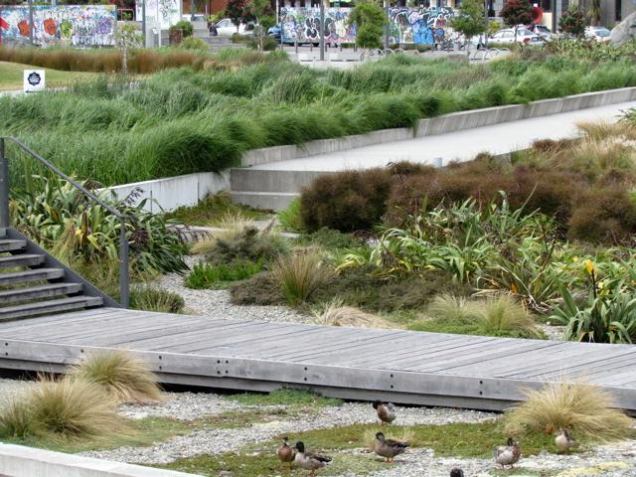
Continuing with the theme explored in the previous post, the role of semi-managed nature in supporting biodiversity, this post explores how land development can sometimes lead to the enhancement – rather than the degradation – of an environment’s ability to support biodiversity. Continue reading

The role of semi-managed nature in supporting biodiversity

Hot off the press today is Catherine’s article on satoyama, the semi-managed nature in rural Japan, which has been published in the latest issue of Asian Studies Review. The article is highly topical, because satoyama was a prominent theme in this year’s Conference of Parties to the Convention on Biological Diversity, which was just held in Nagoya, Japan last month. Continue reading

Discovering environmental history in unexpected places…

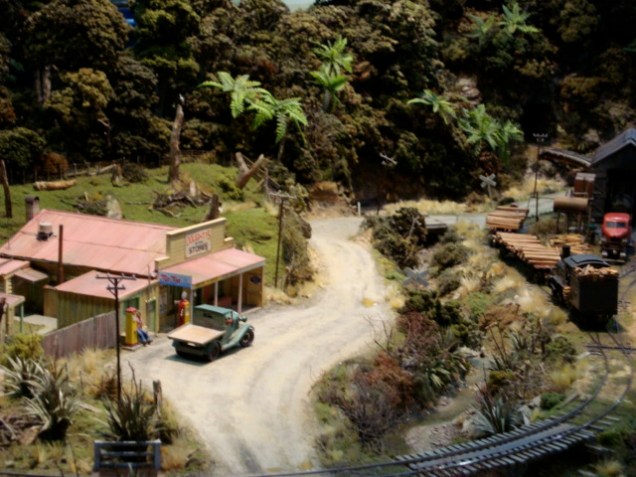
A mother and son outing today was a reminder that environmental history can be discovered in unexpected places. Carter and I went to Wellington this morning to check out the RailEx Model Train Show. As soon as he entered the expo room, his eyes lit up, in unison with the eyes of all the other little boys (and girls – but mainly boys) who ran excitedly from one exhibit to another. Continue reading

Happy 1st birthday envirohistory NZ!

envirohistory NZ is turning one year old tomorrow, having been launched one year ago on 15 November 2009 (see our very first news item). Yesterday, it got an early birthday present, gaining its 20,000th hit. A big THANK YOU to all our subscribers, regular visitors and occasional visitors. Without your visits, comments and input, this website would have no purpose.

Remember too, that envirohistory NZ always welcomes your contributions or ideas! You can email them in by clicking on the envelope on the right-hand side of the homepage.

The valley of disappointment

Today, the Petone and Lower Hutt area is an intense conglomeration of industrial, commercial and residential buildings and infrastructure – interconnected by motorways, roads and railways – concentrated within the confines of the sea to the south and the steeply rising hills of the valley to the west and east. Within this landscape of steel, glass, concrete and asphalt, it is hard to believe that only 170 years ago, this was thickly forested floodplain and estuary, rich with teeming birdlife – including the now extinct huia, and the endangered kokako. Continue reading

Top posts for the third quarter

This post reviews the top posts of the third quarter of 2010. Our favourite Californian again proves very popular, this quarter overtaking A tale of mining, which was very topical earlier in the year. The others in the top 5 traverse a diverse range of themes: Maori horticulture, a rare inner-city oasis of ancient forest, the surprisingly recent history of whaling in New Zealand, and eels – which have figured so large both in our streams, rivers and estuaries as well as our cultural history. Continue reading

The slaying of our kahikatea forests: how Jurassic giants became butter boxes

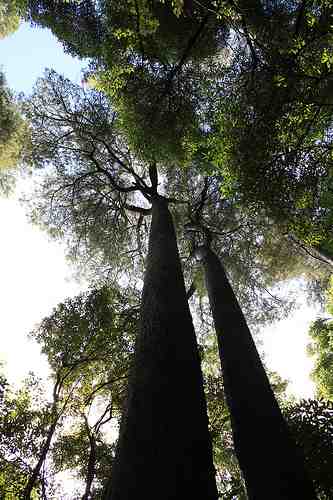
New Zealand’s tallest forest tree, the kahikatea (Dacrycarpus dacrydioides), once dominated the forests that covered much of New Zealand’s swampy lowland areas. Far from a solitary tree, the kahikatea groups closely with other kahikatea, intertwining its buttressed roots with its neighbours for support in the unstable swampy ground. (It is perhaps for this reason that the kahikatea has evolved with such a tall, straight trunk with no lower branches, to enable it to “huddle” with others for stability). In autumn, throughout the lowlands of New Zealand, numerous forest birds chattered noisily in its canopy, feeding on its abundant red berries. These berries, called koroī, were also a valued food source for Māori, who skillfully climbed up the smooth branchless trunks to harvest them. Continue reading

The conquest of the “noble” forest of Waihou

On 16 November 1769 Captain James Cook in his ship Endeavour cast anchor off Tararu Point, about 2 miles north-west of the present town of Thames [click here to view map], and made a short excursion on the Waihou River by ship’s boat. Both Cook and the ship’s botanist Joseph Banks were deeply impressed by what they saw. Continue reading