Election 2023: Big on marketing, short on vision

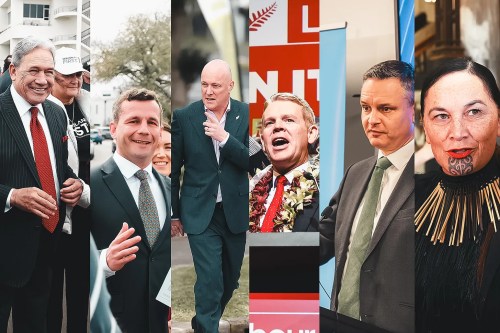
Image courtesy the Kaka.

In this piece for the Kākā, I argue that this election is big on marketing strategy and slogans, but appreciably thin on vision. And it is a marketing campaign largely based on the assumption that the voter is Homo Economicus – that is, a person who makes decisions exclusively guided by self-interest. But my sense is that, despite what politicians think, New Zealanders do care about the world beyond their own economic status – and a growing number of us are acutely aware that the growth-based economy is not working for either people or the planet. But New Zealanders are not being given the chance to contemplate an alternative future because no one in any position of influence is talking about it. Our politicians are too pre-occupied with their desperate appeals to Homo Economicus.

Read the full article on the Kākā.

The economics of sufficiency

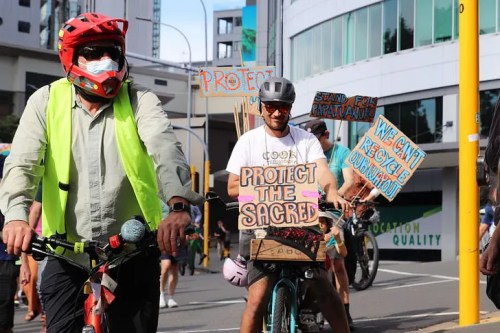
We can’t consume our way out of the climate crisis. Photo courtesy The Kaka.

This week I chatted with journalists Bernard Hickey and Cathrine Dyer about the economics of sufficiency on The Kaka. We covered a lot of ground, including why recycling and buying an electric car won’t quite cut if we want to curb combat climate change, the limits of the renewable energy transition, and the idea of putting sufficiency ahead of GDP growth as the central policy goal for our economy.

Listen to and read more about the conversation here.

Environmental history of the future: could Christchurch become our “Greenest City”?

Last week, I was privileged enough to attend the Rotorua Lakes Symposium in Rotorua City. This symposium, themed “Fix a lake and grow a city”, brought together scientists, politicians, natural resource managers, landscape architects, academics, tangata whenua, business people and many others to explore ways in which the lakes of Rotorua can be restored to create wealth and wellbeing in the Rotorua district. Continue reading