‘Unafraid to tackle the pressing moments of our past, present and future’
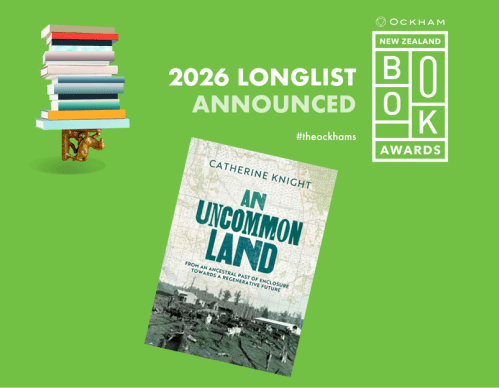
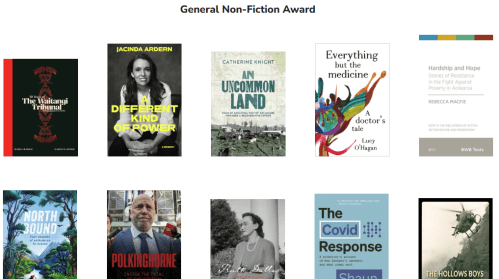
It is not every day I stand next to a former Prime Minister, let alone one as world renowned as Jacinda Ardern, but there I am – at least virtually – in the line-up for the Ockham New Zealand Book Award’s General Non-fiction Award. Alongside twelve other books by such literary luminaries and fearless writers as Tina Makeriti, Steve Braunias and Rebecca MacFie.
The media release describes the longlist’s authors as ‘authors are unafraid to tackle the pressing moments of our past, present and future’ … which seems so apt.
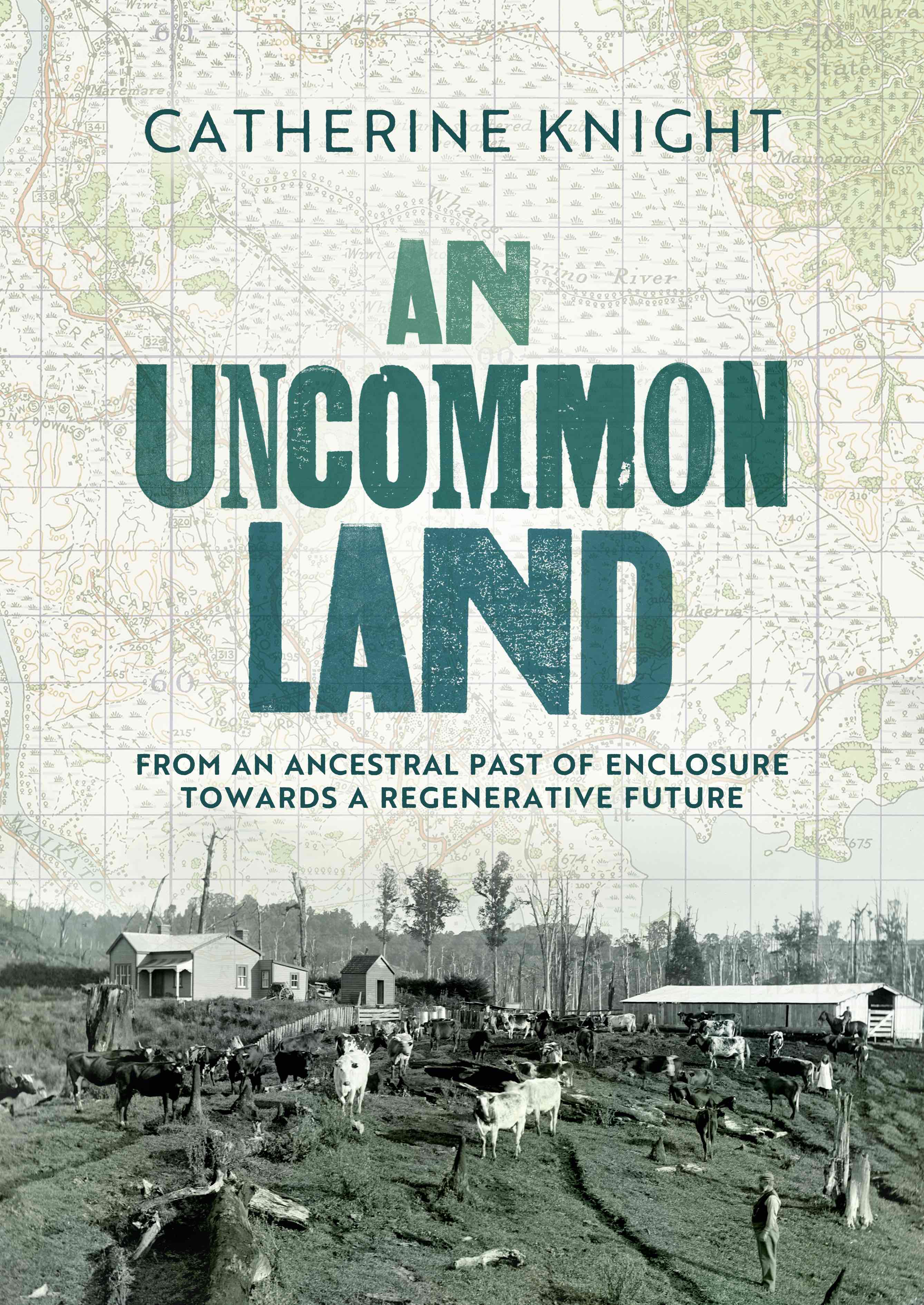
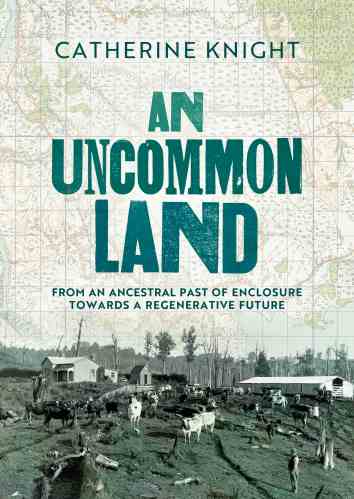
‘An Uncommon Land’ is all about the connection between past, present and future – and facing the future with vision and courage. As the back cover blurb notes:
‘An Uncommon Land’ is a story of enclosure, dispossession, colonisation and – ultimately – hope for a better future. Through the lens of her ancestors’ stories, Catherine Knight throws light on the genesis and evolution of the commons, its erosion through enclosure and the ascendency of private property in parallel with the rise of capitalism – a history that has indelibly shaped New Zealand society and its landscape...
At this pivotal juncture in our history, we face unprecedented challenges caused by our exploitative actions towards nature and each other. But we have a choice: to continue along the path of untrammelled exploitation and exponential growth, or to reassess the way we engage with the natural world and the rest of society. From a past of enclosure, resource exploitation and denaturing, we could choose a path of re-commoning and regeneration, taking inspiration from our collective history.
As we head into a year that already has all the tell-tale signs of a world unravelling, it is reassuring to know that there is a growing recognition of the need to re-evaluate our future, and of those voices calling for this. That work needs to start now, with urgency, and because our political leaders have abrogated their responsibility to ensure the future welfare of New Zealanders in the face of the escalating polycrisis, it is clear that it needs to be led by civil society.
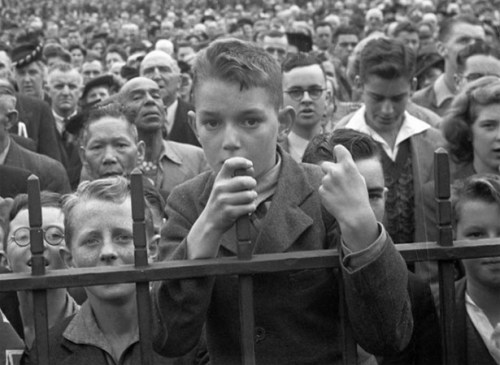
Crowds at the VE Day celebrations, Parliament Buildings, Wellington, 1945. Alexander Turnbull Library.
Just when we thought there was nothing more to destroy, the government continues its unrelenting assault on our commons. This time our knowledge commons – our knowledge of our own history.
Manatū Taonga Ministry for Culture and Heritage has announced plans to disestablish the majority of its historian positions and get rid of the digital production roles essential for maintaining platforms such as Te Ara Encyclopedia of New Zealand and NZHistory.net, which are a vital source of information about our history utilised by students, researchers and the public. (They are an invaluable go-to for researchers and writers like me.)
This will effectively end decades of vital public history work. These cuts constitute a serious threat to New Zealand’s capacity for historical research, education, and public engagement at a time when such work is more crucial than ever.
This is what three of New Zealand’s leading historical organisations have to say:
PHANZA, NZHA, and NZHTA* express profound alarm and deep opposition to the proposed restructuring of MCH. The changes threaten to dismantle decades of world-class historical scholarship, shutter vital resources for history research, and harm public education. The proposed elimination of historian positions catastrophically reduces the ability of New Zealanders to preserve, discover, and share their stories.
*Professional Historians’ Association of New Zealand Aotearoa, New Zealand Historical Association and New Zealand History Teachers’ Association. See their full statement at this link.
If you care about our history and believe that the government should too, here are some things you can do:
Write a statement in support of MCH’s historical work to be included in the PSA’s decision and send it to Grace Miller (contact person at the PSA for the historical community on this matter) at grace.millar@psa.org.nz.
Please be aware, I no longer post regularly to this site. For more regular updates, particularly on themes traversed in my latest book An Uncommon Land, please subscribe to my Substack ‘An Uncommon Land‘ – it’s free!
My new book ‘An Uncommon Land’ was released this month and you can find out more about it (including how to order) here. For a sneak preview, check out the book trailer.
For more regular posts on the themes traversed in An Uncommon Land (eg, wellbeing economy, environmental history, the history of commons and their enclosure), why not check out my Substack An Uncommon Land.
It has been a busy couple of months, getting my new book ‘An Uncommon Land’ edited, designed and laid out and then checked, re-checked, and triple-checked ready for printing. It is now being printed, due to released by the end of this month.
So, what is ‘An Uncommon Land’ all about?
An Uncommon Land is a story of enclosure, dispossession, colonisation and – ultimately – hope for a better future. Through the lens of her ancestors’ stories, Catherine Knight throws light on the genesis and evolution of the commons, its erosion through enclosure and the ascendency of private property in parallel with the rise of capitalism – a history that has indelibly shaped New Zealand society and its landscape.
Like other European settlers, the lives and future prosperity of the author’s ancestors had their foundations in war, land appropriation and environmental destruction – but in their histories lie glimmerings of the potentiality of commons: tantalising hints of an alternative path to a re-commoned, regenerative future.
At this pivotal juncture in our history, we face unprecedented challenges caused by our exploitative actions towards nature and each other. But we have a choice: to continue along the path of untrammelled exploitation and exponential growth, or to reassess the way we engage with the natural world and the rest of society. From a past of enclosure, resource exploitation and denaturing, we could choose a path of re-commoning and regeneration, taking inspiration from our collective history.
My aim with the book is to invite readers into a conversation. A gentle invitation to reassess the world we live in today by reflecting on our own ancestral past. Is it really so radical to talk about a society which carefully regulates the use of common resources, lives within limits, and values social connection beyond the accumulation of material possessions, when these were natural features of own ancestors lives not so many generations ago?
The book will be available as a beautifully designed paperback book (thanks to my talented designer Matthew Kelly) as well as an e-book. More details on my website and a downloadable flyer here. Can be pre-ordered from Nationwide Book Distributors.
There will be no formal launch, but I would love to hear from groups or organisations wishing to host author talks, panel discussions or similar exploring the themes of commons, enclosure, regenerative economy or post-growth paradigms – this could be standalone, or alongside other authors or thought-leaders – all proposals considered! Feel free to contact me via Substack or via my website.
An exciting announcement! The award-winning ‘Ravaged Beauty’, which is once again approaching sold out in hardcopy, is now available as an e-book.
Before the arrival of European settlers in the late 19th century, the Manawatu Region of New Zealand was a heavily wooded hinterland, its forests ringing with the sound of birds, its abundant wetlands teeming with fish and waterfowl. But within a few decades, the forest had been reduced to ashes; the swamps and lagoons were being drained away. Progress marched across the landscape in the form of farms and settlements.
It wasn’t long before nature exacted its revenge: erosion scarred the hillsides, floods ravaged farms and towns. Pollution of the rivers saw fish dying en masse. How would people meet these environmental challenges, and what lessons would there be for the future? Drawing on a rich array of sources, maps and photographs, Ravaged Beauty tells the story of environmental transformation – part of the great tide of ‘progress’ that touched every corner of the globe – with consequences that continue to reverberate today.
Further musings on Lord Palmerston, the Great Irish Famine and the future of society
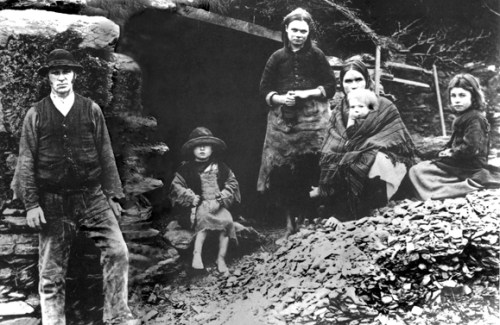
A family during the Great Famine
In my last post I talked about the man behind the name of not one but two urban centres in New Zealand, Henry John Temple, better known by ‘noble’ title, Lord Palmerston. I wrote about his inhumane treatment of impoverished and starving Irish tenant farmers on his bounteous estates in Sligo, north-eastern Ireland. His main focus was ridding himself of this wearisome burden, so he (literally) shipped them off to North America. Many died agonising deaths from malnutrition and illness on the way, or once they got to their destination.
In this post I am keen to explore another aspect of this history – a political ideology that has had tremendous influence on our political economy and our lives today. That is, Liberalism. (Noting that its derivative ‘Libertarianism’ is related but distinct in some critical ways but will not delve into this here.)
Because, as well as being a wealthy landlord with questionable morals, and the namesake of several places in ‘the colonies’, our man Lord Palmerston was also the first Liberal Prime Minister. The Liberal Party was first formed in 1859 when the Whig party – the main rival to the more conservative Tories – merged with a couple of other parties with equally radical ideas.
So what is Liberalism? The Concise Oxford Dictionary of Politics tells us that generally speaking it is ‘the belief that it is the aim of politics to preserve individual rights and to maximise freedom of choice.’ More particularly, the Liberals espoused rights of the individual, liberty, political equality, right to private property, and equality before the law. In New Zealand, the first Liberal government premier, Irish-born John Ballance, supported women’s suffrage (in principal anyway) though many of his Liberal colleagues were opposed. (Most notably, Richard Seddon – subsequent prime minister – strongly opposed women’s suffrage because it would be detrimental to the liquor trade, which he had strong alliances with.)
Liberal politician Richard Seddon was not a fan of giving women the vote. Their temperance movement meddling threatened to interfere with the free market and menfolk’s freedom to drink themselves to oblivion.
There is a lot in the Liberal ‘family of ideas’ that modern-day citizens can relate to and support. Most of us probably think that democratic government and equality before the law is good.*
But where it gets complicated is the ideological tenet of maximising freedom of choice – again at first blush this sounds all very jolly hockey sticks, but it has a more sinister side. In economic terms, this tenet translated into the principal of laissez-faire – that is, not interfering in the free market. It also translated into unfettered protection of private property rights – or in the parlance of our current coalition government ‘the enjoyment of property rights’. This is the basis of neoliberalism, the ideology that shapes our political economy today.
Back in the 19th century United Kingdom, by mid-century, both the more conservative Tories and the more radical Whigs had been captured by the thrall of free markets and laissez-faire – but it was the Whig government that took it to its extreme – even where thousands of lives were at stake.
When the Great Famine broke in 1845, the Tory government was in power, headed by Robert Peel (most famous for the establishment of modern policing in the UK – and why the police are affectionately called ‘bobbies’ in the UK). While ultimately inadequate for the scale of catastrophe, Peel did make some efforts to provide relief to the starving poor in Ireland. For instance, he arranged for the importation of corn (maize) from the US and tried to repeal the ‘corn laws’, which imposed tariffs on imported grains, keeping prices artificially high. But facing unsurmountable opposition he resigned, and in 1846, a Whig Government took power, headed by John Russell. This government believed that individuals should be allowed to pursue their own interests to the greatest extent possible with minimal government interference – by providing relief through cheaply sold imported corn, the government was interfering with the market, so this had to be stopped. Equally, the government could not countenance stepping in to stop the flow of food exports from Ireland: throughout the period of the famine, the export of large quantities of grain and livestock out of Ireland continued, mainly to England. Government relief was stopped and it was left to landlords and charitable organisations to deliver relief. In the end, about a million Irish starved to death or died of sickness associated with malnourishment. A further one and two million Irish emigrated.
Ultimately, many politicians and government officials alike believed that the Irish people had brought this misfortune upon themselves. Charles Trevelyan, the official in charge of the famine response, declared: ‘[The Famine] is a punishment from God for an idle, ungrateful, and rebellious country; an indolent and un-self-reliant people. The Irish are suffering from an affliction of God’s providence.’
By now this may all be sounding vaguely familiar. A dominant ideology in our own society is that hard-working New Zealanders should not be giving up their precious dollars for poor people who are doing too little to help themselves. If people don’t live in adequate housing or haven’t got enough money to feed or clothe their kids, it is because they are lazy, or make bad choices or [pick another reason]. This ignores the structural reasons for inequality in our society – some more recent, and some more historical (hint: colonisation, land dispossession). In Ireland, the root cause of the famine was not the potato blight but the gross inequality in ownership and access to land, the consequence of hundreds of years of conquest, land confiscation and dispossession.
In my book ‘An Uncommon Land’, I argue that many of the challenges we face today come back to land, our attitudes towards it (as the ultimate form of private property) and our efforts to accumulate as much as possible of it, to the exclusion of others. Indeed, as Bernard Hickey argues with deliberate but not totally inaccurate hyperbole, the New Zealand economy is ‘a property market with bits tacked on’.
In this laissez-faire inspired political economy, we have been encouraged – indeed rewarded – in our efforts to amass as much wealth as possible. Self-interest is Good. Caring about the wellbeing of wider society, future generations or the planet we depend on is Woke. We see this mentality with brutal clarity in the election result in the United States. We are also seeing worrying signs of it here in New Zealand’s politics. But I am optimistic that we are better than that. I hope that as a society we are willing to question our beliefs about what is really important in our economy and society. Because the future literally depends on it.
* But even something as wholesome-sounding as ‘equality before the law’ has a sinister side. It is this principle of Libertarianism that provides the rationale for the current coalition government’s efforts to subvert and undermine te Tiriti as a founding constitutional document of this country.
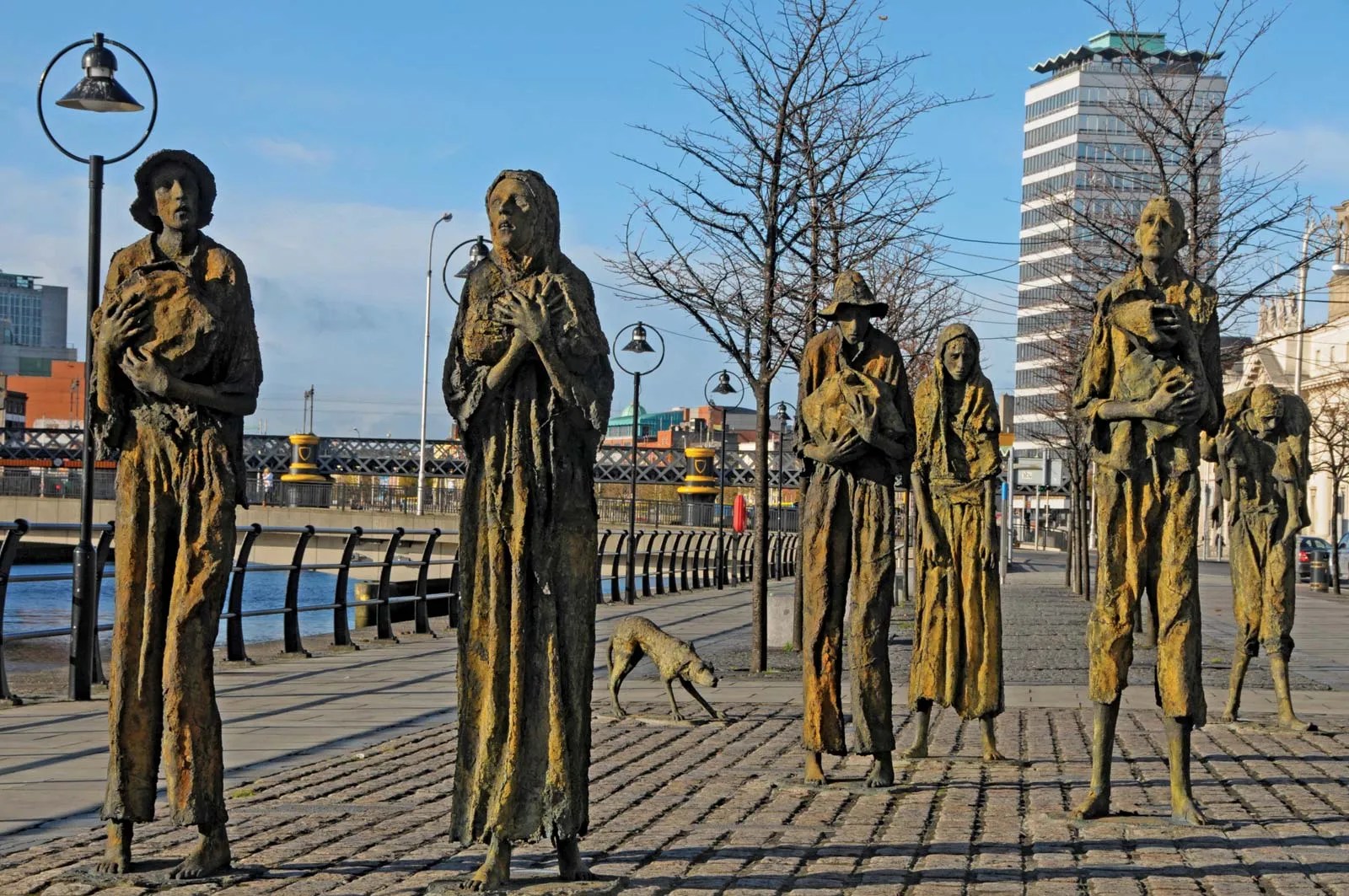
A sculpture in Dublin commemorating the Great Famine by Rowan Gillespie
Readers familiar with my first book, Ravaged Beauty, will know that I was born and grew up in Palmerston North. This book traced the environmental history of the Manawatu region from geological origins through to today. So really, I should have known a bit more about the origins of my hometown’s name.
Palmerston North – and the South Island’s Palmerston – was named in honour of Viscount (or Lord) Palmerston, Prime Minister of the United Kingdom (twice) between 1855 and 1865. His real name was Henry John Temple; Viscount Palmerston was his ‘peerage’ name, after the town in Ireland ‘Palmerstown’. (A peer is someone who holds one or more titles of nobility – duke, marquess, earl, viscount, baron – inherited from an ancestor or bestowed upon him by the monarch.)
So far, so … dull…
But anyone with Irish heritage (or just a sense of common humanity) will likely shudder to know that Viscount Palmerston was culpable for the suffering and death of hundreds of starving, sick and destitute people sent away on the notorious ‘coffin ships’ during the Great Irish Famine.
In her 1962 classic ‘The Great Hunger’, British historian Cecil Woodham-Smith describes the indignation of one member of the Canadian government who wrote a furious open letter in protest of the forced emigration of starving and diseased tenant farmers and their families by wealthy English landlords in Ireland.
‘Hordes of half-naked, starving paupers, including aged, infirm, beggars and vagrants had been shipped off to this young and thinly populated country [Canada] without regard to humanity or even to common decency,’ he thundered in his 1847 letter.
Our man, Viscount Palmerston, was singled out as one of the worst offenders. His family owned a huge estate in County Sligo, in northern Ireland. During the famine, in which about one million Irish perished, landlords – most of whom were English – became increasingly ‘inconvenienced’ by the masses of starving and diseased tenants on their land. The British government, which believed strongly in non-intervention of the state (laissez-faire) wanted landlords to help provide relief to the starving masses. But this was an anathema to many of the wealthy landed.
Fortunately, a solution was at hand for these vexed landlords, because this was also a time when British colonisation was at its height. All that was required was a privately-owned vessel that was vaguely seaworthy (though this turned out not to be a stringent criterion either), and a crew willing to make the journey for a bit of cash.
In all, 2,000 tenants and their families were forcibly emigrated by Lord Palmerston from his estates, leaving on vessels from Sligo and Liverpool. One of these ships, arriving in Quebec, carried 477 passengers, 174 of them were almost naked and had to be clothed by charity before they could disembark the ship. One passenger on the brig Richard Watson was completely naked on arrival and had to have a sheet wrapped around her to go ashore.
Most notorious of Lord Palmerston’s ‘coffin ships’ was the Aeolus, which landed at St John, Newfoundland in the brutal winter. The passengers were ‘… almost in a state of nudity… they were widows and helpless young families, decrepit old woman, and men riddled with disease’. The small town was unequipped to deal with the level of hardship and distress, and its officials sent a letter of protest to Lord Palmerston, whose agent responded on his behalf in what Woodham-Smith describes as ‘curiously insolent language’.
The bother of having to respond to peevish complaints from the colonies was a minor inconvenience in the big picture though. The emigrations were a great success from Lord Palmerston’s perspective. By 1849, four years into the famine, the number of people receiving relief on his Sligo estates had dropped to just two percent. Result!
And not only that, he continued to be honoured and celebrated by British colonies, New Zealand among them, his name emblazoned over the maps and signs of not one but two towns in our fair isles.
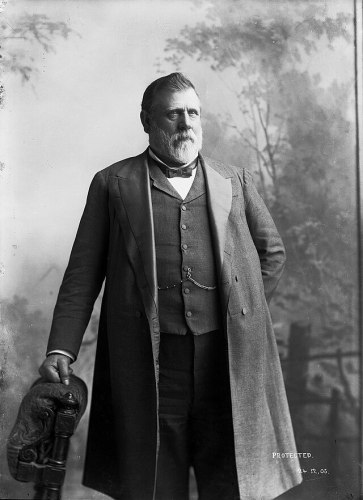
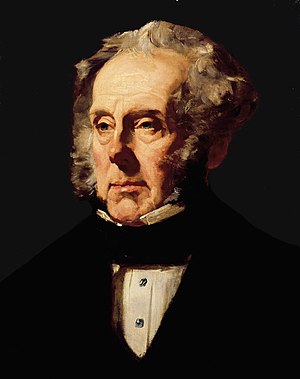
“Jolly good show – getting those dreadful dependents on welfare down to two percent!” (Sounds vaguely familiar …) A portrait Lord Palmerston at the height of his powers.
We might like to think that his cruel legacy – his callous disregard for human suffering fuelled by self-interest and greed – was not known at the time. But this is simply untrue – as so carefully documented by Woodham-Smith – it was called out by his contemporaries. This is sheer, wilful blindness to our own history – and yes, this is our own history because many New Zealanders are such because our Irish ancestors chose to emigrate here – many in the wake of the Great Famine.
So what’s in a name? Quite a lot as it turns out. And in my view, it would be kind of nice if our place names embodied values associated with a common sense of humanity and decency – or at the very least, had some relevance to the history of the place. Because it is useful to remember that – setting aside his inhumane treatment of hundreds of Irish destitute – this chap Lord Palmerston had absolutely no connection with the town of Palmerston North or its southern counterpart, and Palmerston wasn’t even his actual name! At the very least, being more aware of our history – including the origins of place names – might perhaps be a fruitful seed for discussion around what we value as a society in the 21st century.
The origins of the Great Irish Famine and its implications, which still reverberate today, are traversed in my upcoming book An uncommon land.
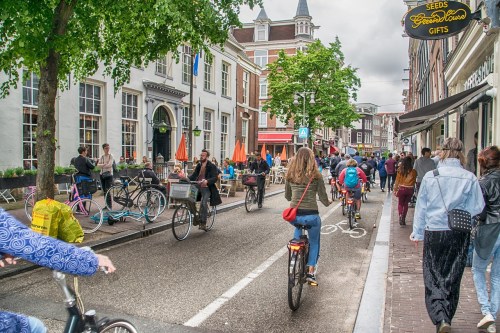
A people-centred street-scape in Amsterdam. Pixabay
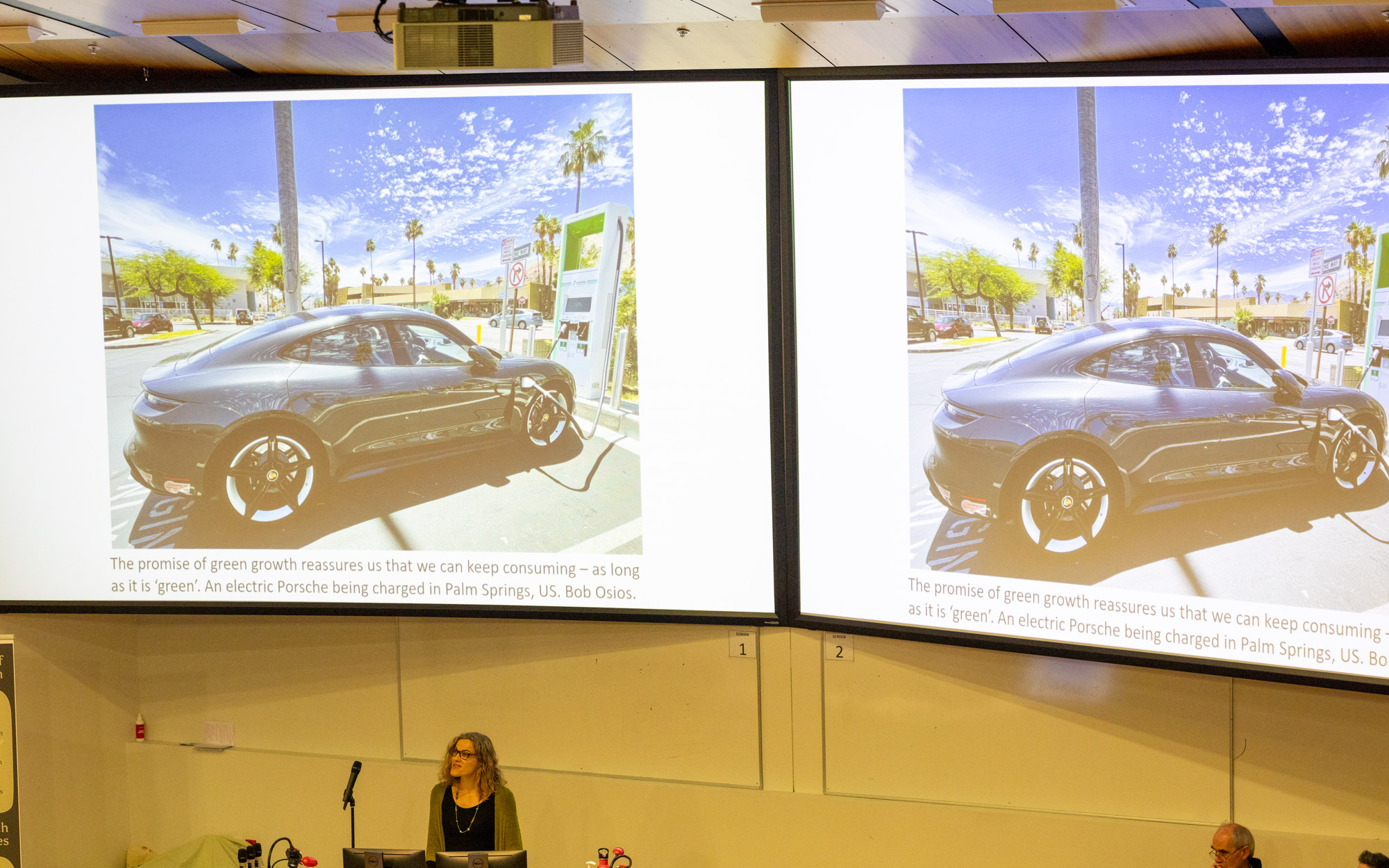
I was recently invited to write an editorial for City Changers, a European-based organisation helping to create better cities and towns for the future. This followed a LinkedIn post I wrote earlier this year critiquing the promotion of EVs as a solution to climate mitigation – the post went, as they say, viral.
In my City Changers article I expand on this original critique but focus more on the actual solution: cities, towns and rural communities built for people not heavy, energy-guzzling metal boxes.
Here is an excerpt:
To address the emissions and high energy and resource demands of our transport system we must change the system: move away from car-centric towns and cities by investing properly in public transport and make active transport (walking, wheelchair use, and cycling) safe and enjoyable. There will also be a role for on-demand and shared vehicle mobility, which yes, will likely be electric – but our goal should not (and cannot) be the replacement of the entire ICE fleet with EVs.
But most importantly, we must shift the conversation. Rather than focusing on how to get people and stuff from A to B, we should be talking about how we can build future cities and towns that will meet people’s needs for ‘a good life’ within a 15 minute or so walk, cycle, or quick and easy public transport ride of people’s homes.
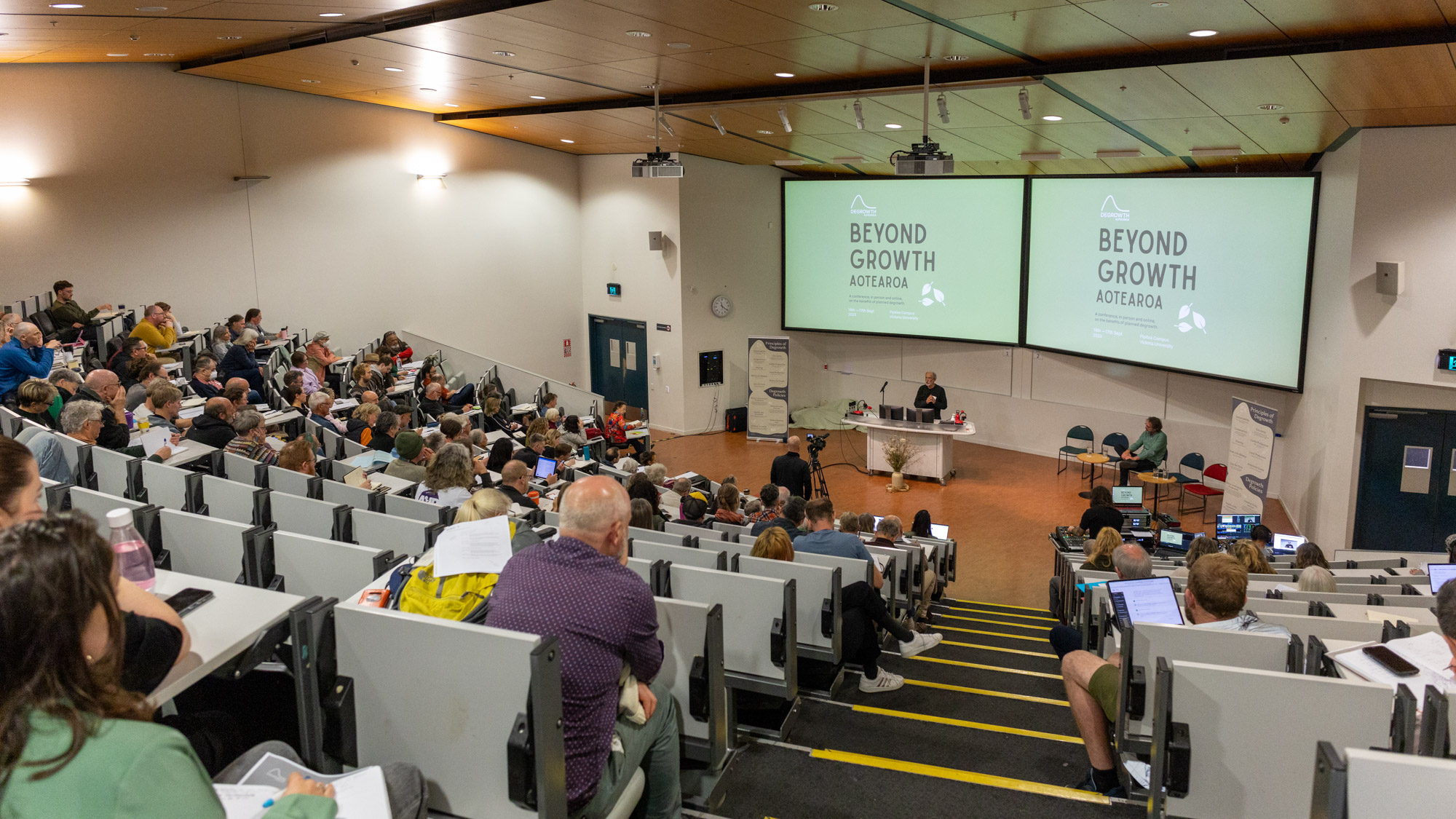
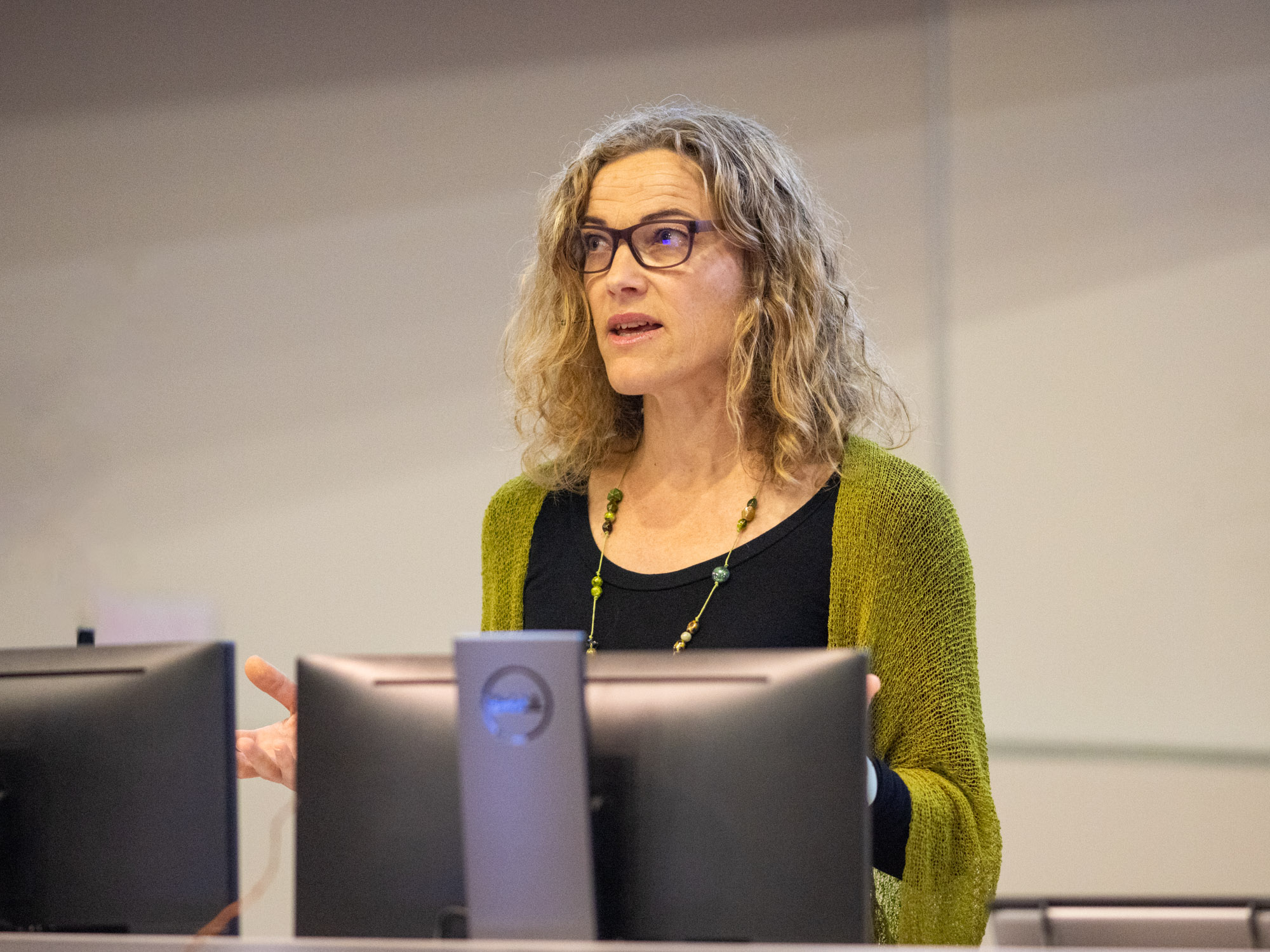
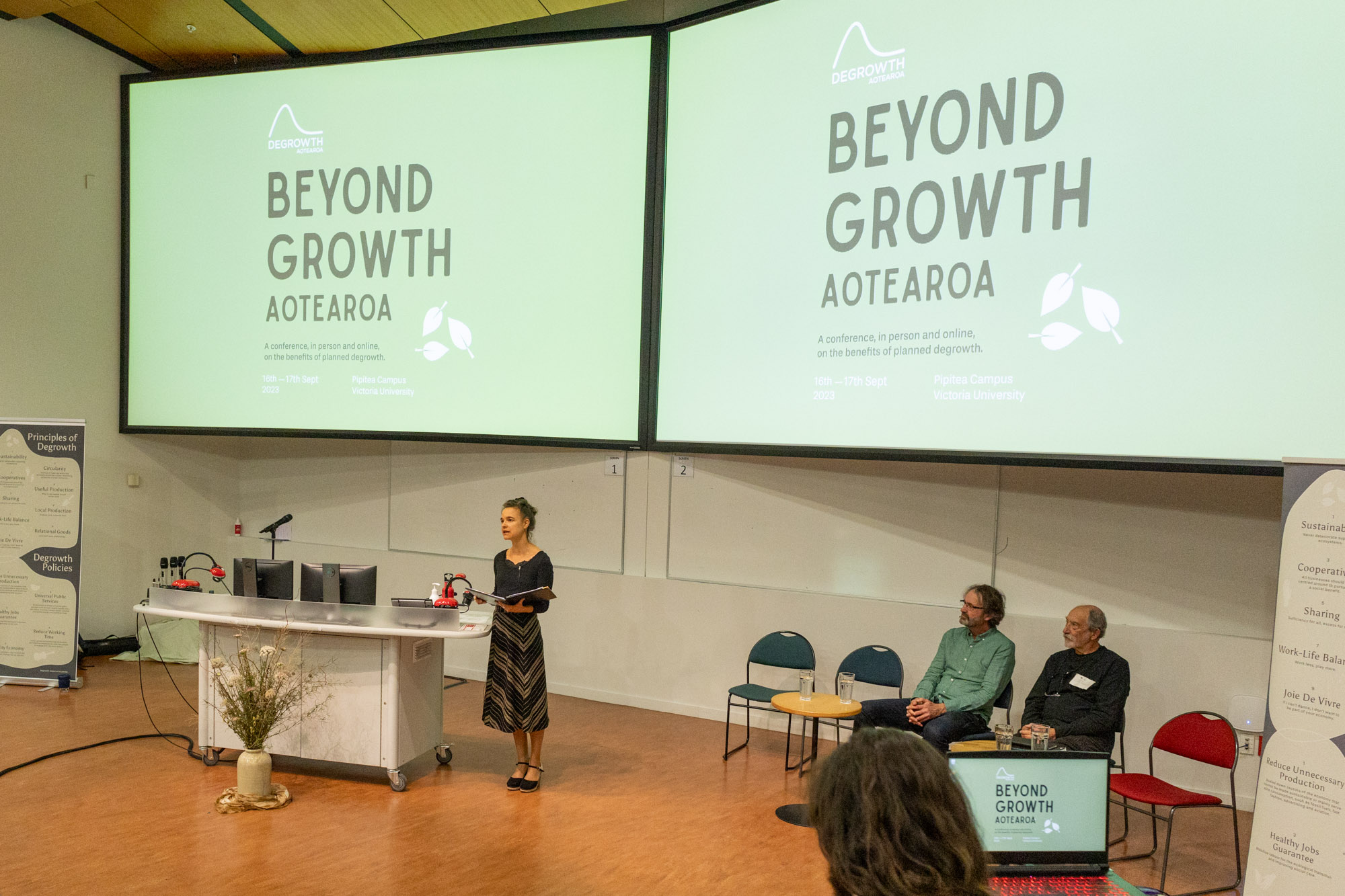
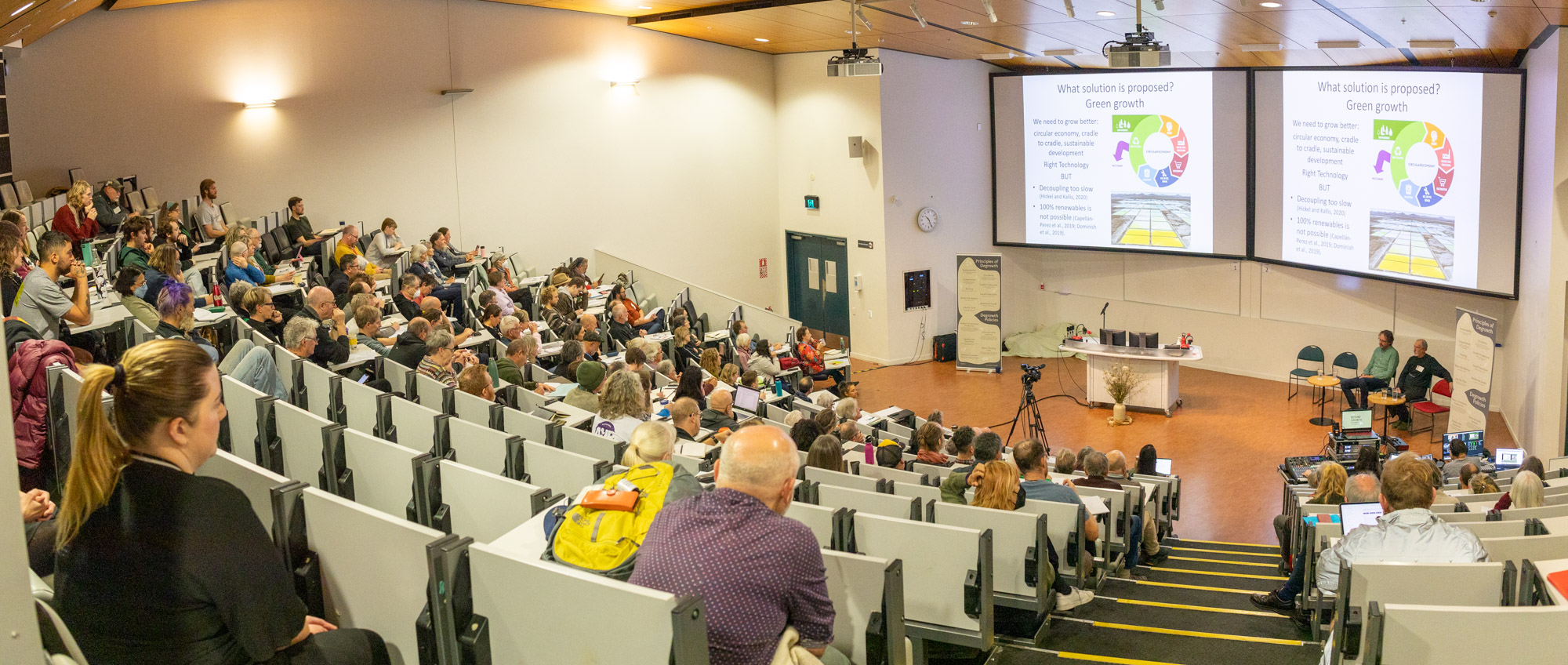
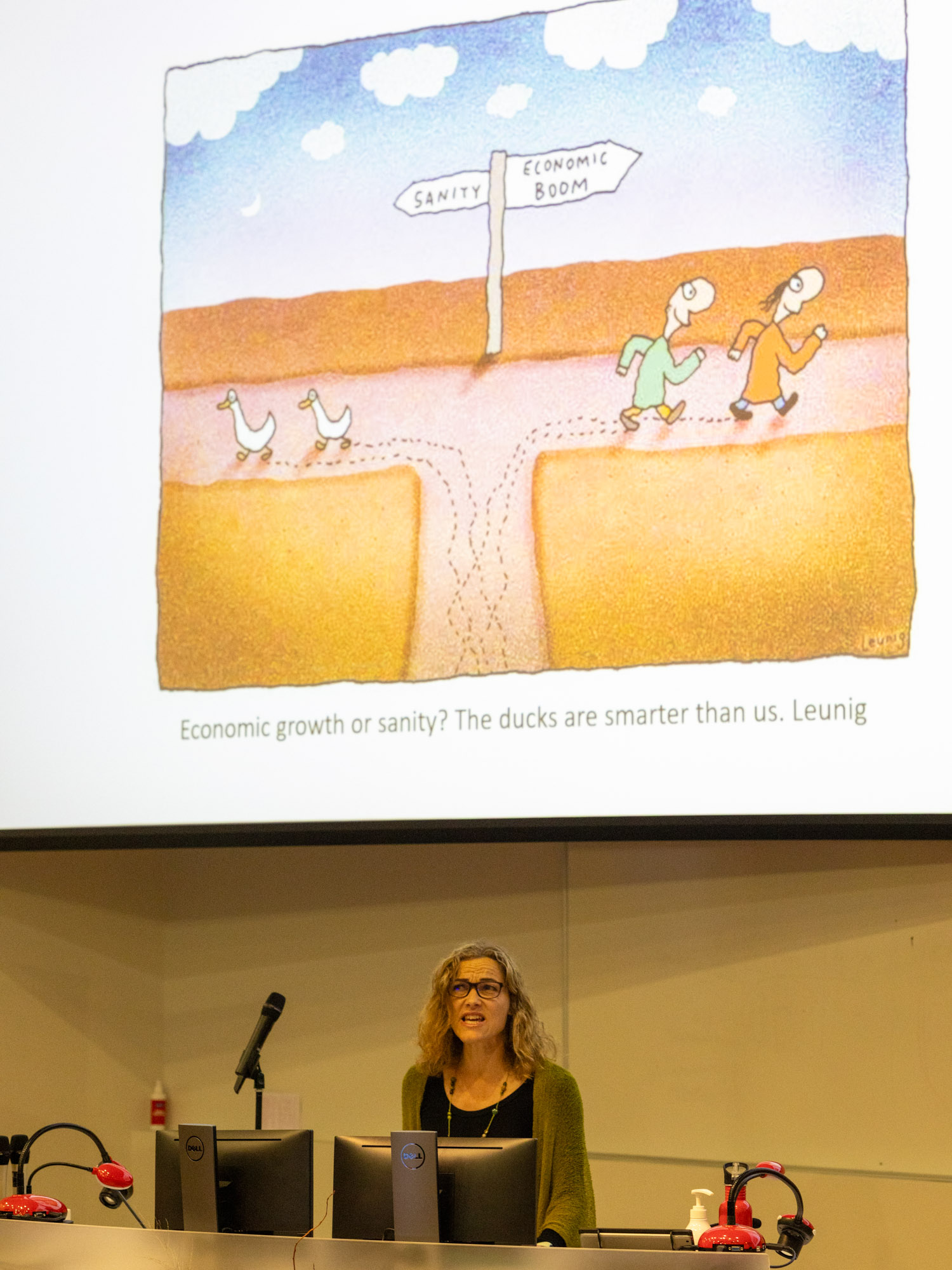
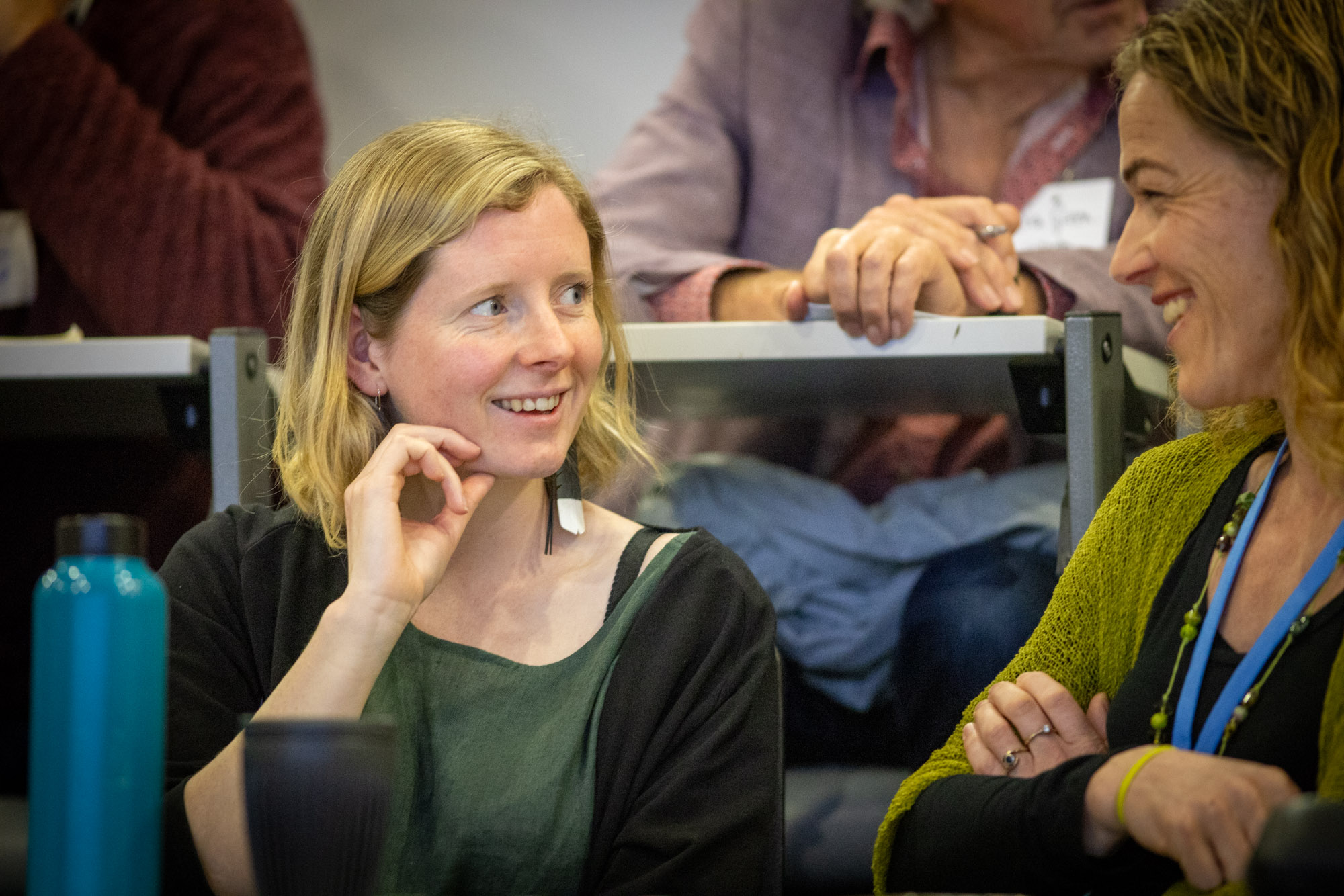
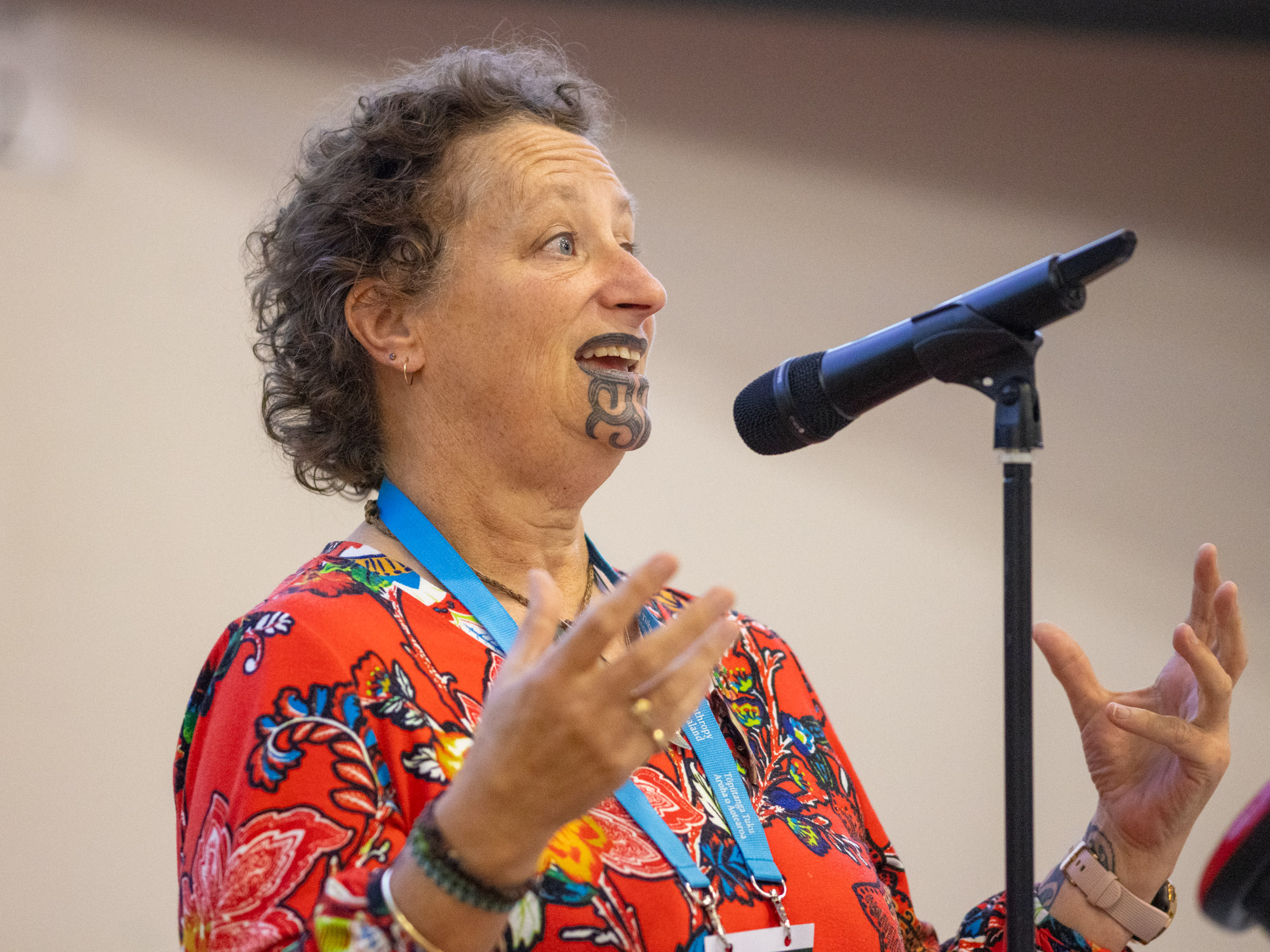
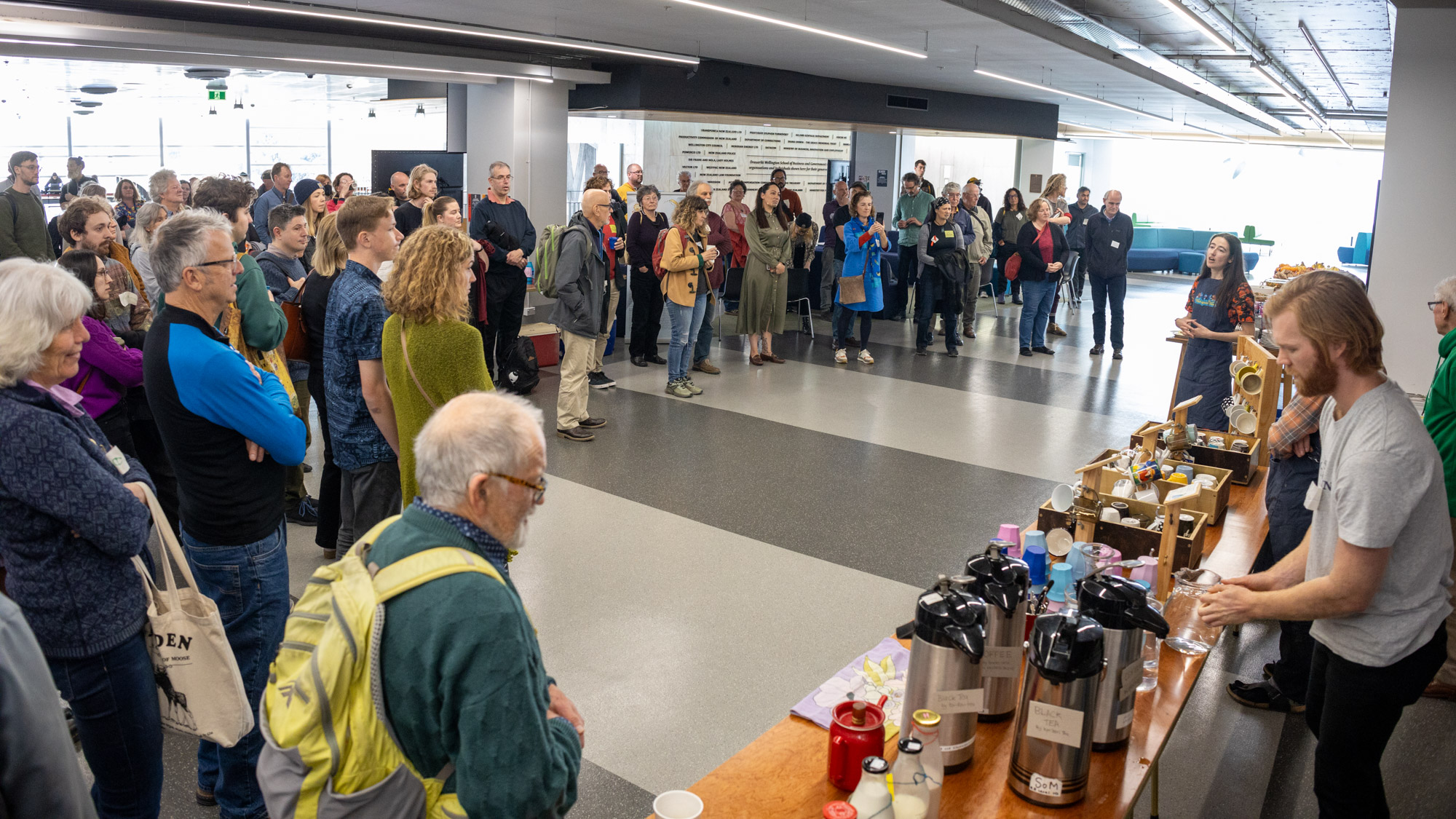
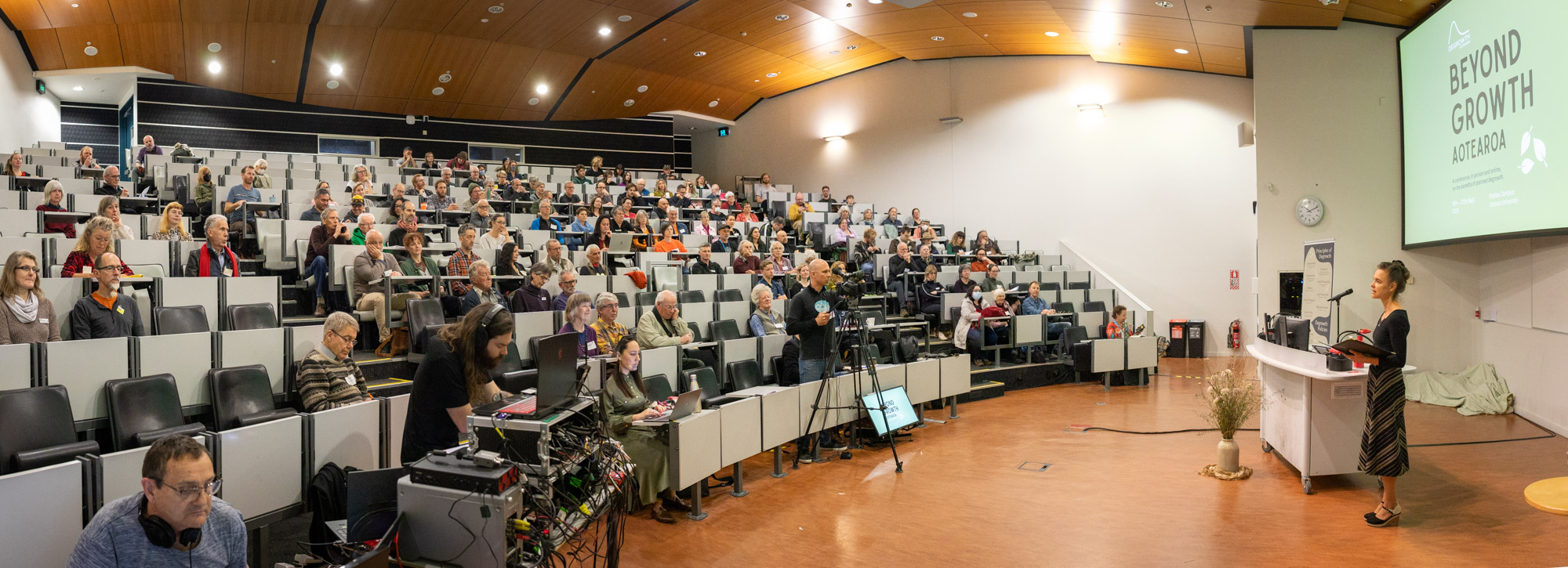
The session recordings for the recent Beyond Growth Aotearoa conference, held at Victoria University of Wellington are now available and can be viewed on Youtube.
My session focused on sufficiency as a pathway to a post-growth economy. In the talk I draw on the experience of France, which has instituted sufficiency at the core of its energy law. Whatever we call this new pathway, the reality is clear: the current economic system is not working for people or the planet. We need an economy that focuses on delivering what people need to support wellbeing while operating within safe operating boundaries (listen to my conversation about wellbeing economy with RNZ’s Jesse Mulligan here). In my conference session I suggest some possible areas of focus, including a food resilience strategy and an energy security strategy. Take a listen to find out more.











 envirohistory NZ