In search of Arcadia?

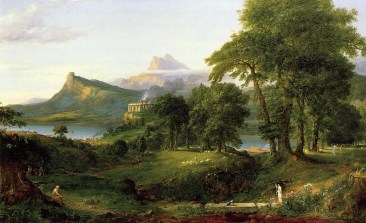
Cole_Thomas_The_Course_of_Empire_The_Arcadian_or_Pastoral_State_1836
Thomas Cole’s The Arcadian or Pastoral State, 1834

A series of articles were recently published on Environment and Nature in New Zealand, all drawn from essays written between 1989 and 2000 by students in history at the University of Otago. 

A prominent theme in the essays covering the colonial period is the disconnect between the expectations of immigrants and the reality of what they found, particularly in respect to the environment. Continue reading

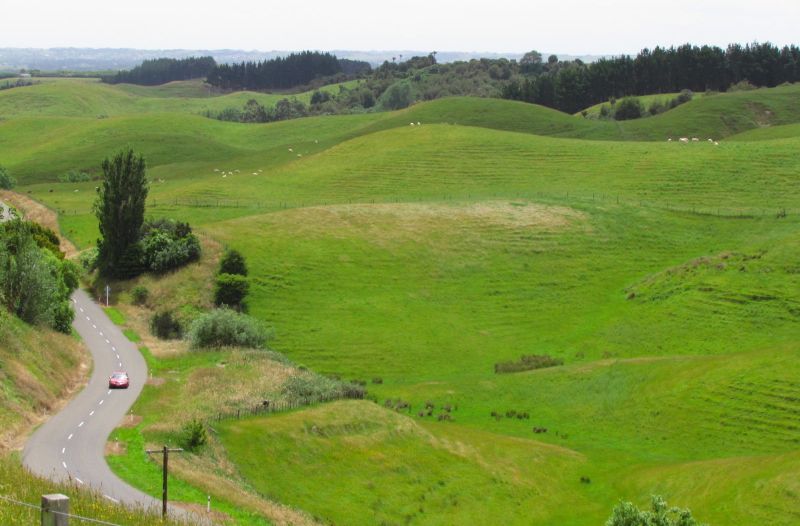
Creating a Pastoral World through Fire: the case of the Manawatu

Hiwinui farmscape JPG
“Rolling hill country” of the Manawatu, a landscape created by fire. Photo: C. Knight

This article, published in the lastest issue of the Journal of New Zealand Studies, examines the role of fire in the opening up of bush country in the region of Manawatu for pastoral farming. Within only a few decades, bush burns had transformed a densely forested environment into one of verdant pasture – leaving only the charred stumps and limbs of incinerated trees as evidence of the dense, impenetrable forest that once harboured moa and other ancient forest creatures. Continue reading

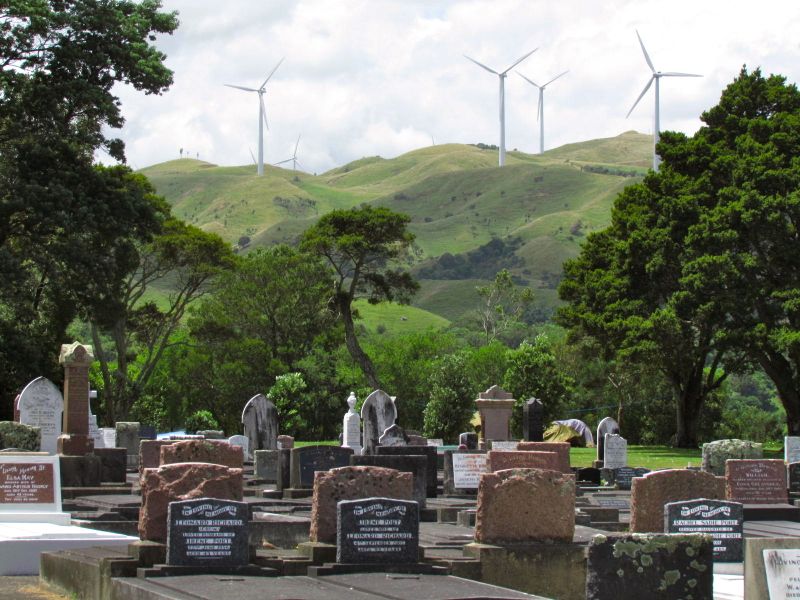
Landscape of juxtaposition: view from a graveyard

Graveyard and windmillsYesterday, we ventured out on a photography expedition for my near-complete book exploring the environmental history of the Manawatu. (See: A racy title is one thing, but what’s the book actually about?) Many adventures awaited us, including an amorous kunekune pig and his similarly friendly ostrich companion, residents of a historic farm at Karere.

At Ashhurst, I was unable to resist this landscape – a poignant juxtaposition between old and new. Continue reading

Environmental history: as much about the future as about the past

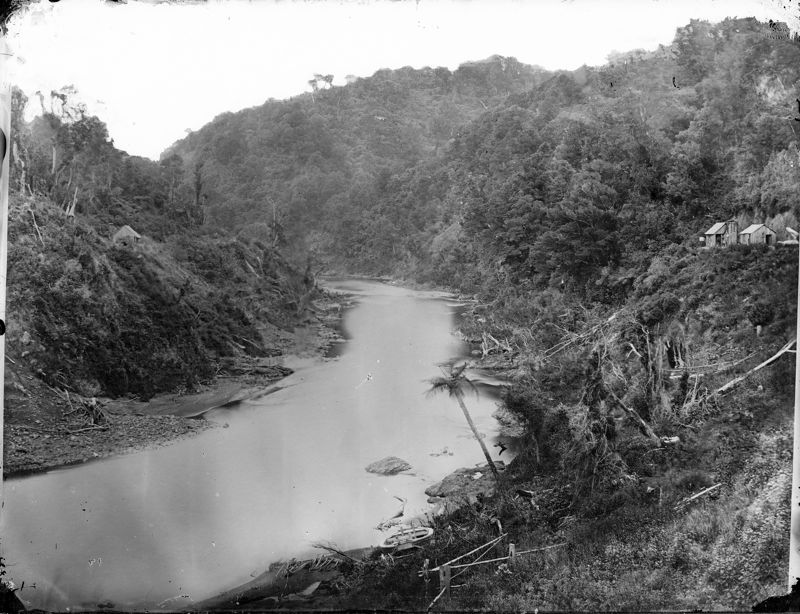
Manawatu River
Manawatu River, ca 1870. Note shacks on flanks of the river. Photograph taken by William James Harding 1826-1899. Ref: 1/1-000339-G. Alexander Turnbull Library, Wellington, New Zealand.

I have been dipping into my recently acquired copy of Making a New Land, the revised edition of Environmental Histories of New Zealand (see: Environmental histories of New Zealand – Making a New Land). In particular, the conclusion really resonates with me:

Environmental history can and should be more than history with nature added in. Continue reading

Dairy farming: environmental history’s twists & turns

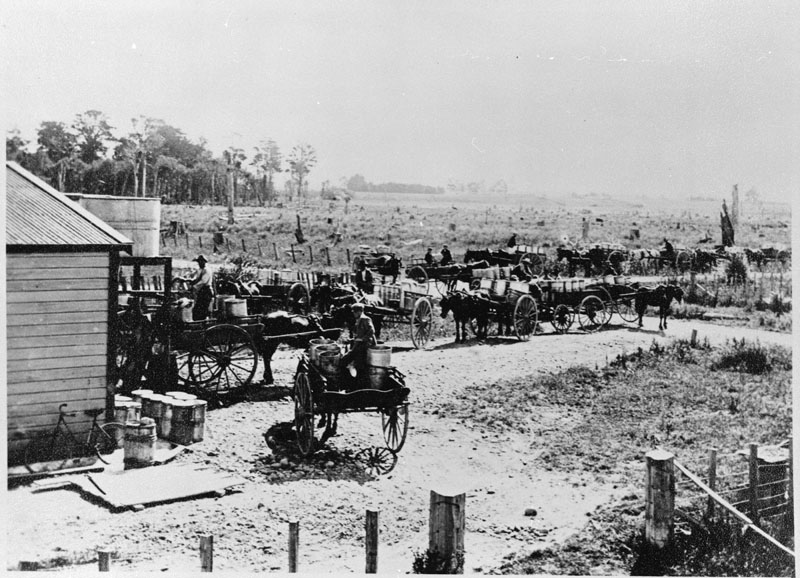
A skimming station on the corner of Roberts’s Line and the Bunnythorpe-Kairanga Road, Manawatu. This photograph shows the long line of carts which was a typical sight at a skimming station in the early years of that century. Source: Palmerston North City Library.

Reading a 1977 paper reviewing farming in the Manawatu, by soil scientist J. Cowie and farming advisor W. Osborn, I was interested to read the following passage:

Dairy farming no longer predominates [in the Manawatu] as it has lost a great number of units in recent years. Twenty-six small dairy companies existed in the billycan and horse and cart days. Continue reading

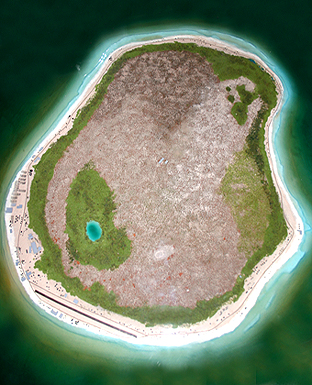
Nauru: a picture says it all

Nauru IslandI was flabbergasted when I found out about this piece of New Zealand’s history. I don’t know what shocked me more: our government’s part in destroying an island and a people’s economy and way of life, or the fact that this history is so little known by  New Zealanders.

New Zealand, along with Britain and Australia, gained the Pacific island of Nauru and its rich phosphate reserves as part of the spoils of the First World War. Continue reading

“Electric landscapes” and other perspectives from Environment & Nature in NZ

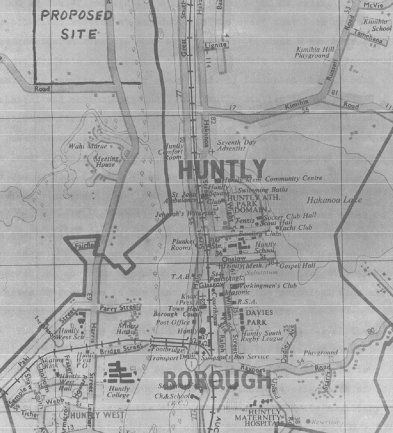
Huntly mapThe latest issue of Environment and Nature in New Zealand is now out, and can be downloaded here.

This issue is replete with interesting articles and reviews:

Jo Whittle, ‘Into the backyard: Huntly Power Station and the history of environmentalism in New Zealand’.

Ian Tyrrell, ‘Review Essay: Bernhard Gissibl, Sabine Höhler and Patrick Kupper (editors), Civilizing Nature: National Parks in Global Historical Perspective’. Continue reading

Little wonders (of nature)

IMG_3685This was going to be a story about the introduction of a small exotic species by European settlers to New Zealand, and the possible motivations for it (since this species provides no economic benefits, as a honey bee or a sheep does, for example). However, somewhat inconveniently, I have been thwarted from doing so – by the facts!

The little creature I am talking about is the monarch butterfly (kahuku in Maori), which apparently reached New Zealand shores – not by human hand – but of its own accord, about 100 years ago. This is tremendous achievement given its size, and the distance from its native homeland, North America. Continue reading

Land slips, Kenneth Cumberland, & bitter irony

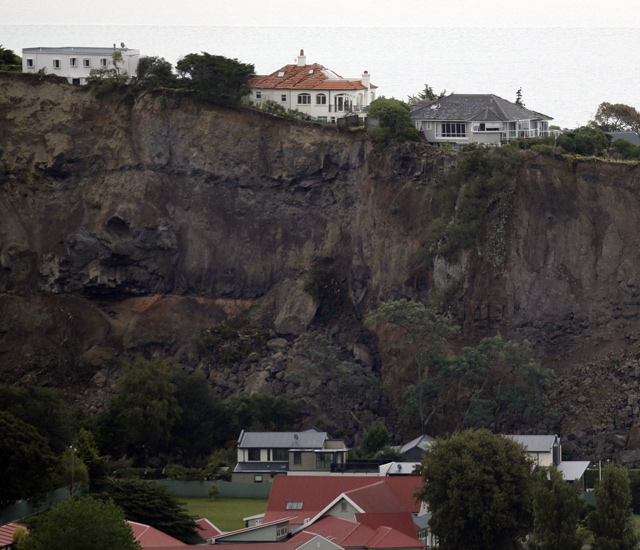
Sumner cliff slideIn 1944, Kenneth Cumberland, a recently emigrated British geographer published Soil Erosion in New Zealand, a geographical survey of what was fast becoming known as the “erosion epidemic”. Refreshingly, Cumberland does not shrink from expressing strong opinions. In the introduction to his book, he writes:

[New Zealand’s] cultural youth has been characterised to a large extent by the pioneer destruction of the resources of a little known environment…

The people of New Zealand have been reared in the midst of unnecessary losses of soil and become so accustomed to their presence as to take little heed of them. They often come to consider soil erosion as a “normal”, unavoidable occurrence…

Continue reading

Environmental histories of New Zealand – Making a New Land

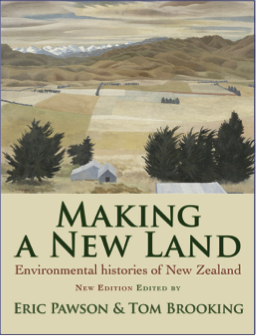
Making a New LandA new edition of the New Zealand environmental history classic, Environmental Histories of New Zealand, is out this month. Entitled Making a New Land, it has six new chapters with the existing ones revised. (You can read more about the book here.) I have put my order in for my copy already (and for my local library too).

This book (well, not this exact one – I haven’t got it yet!) is close to my heart. I discovered it when I was writing my Masters thesis about the Japanese treatment of nature through history (see publications page – it’s near the bottom). Continue reading