One of the first questions that I have been asked is ‘What led you to write a book about rivers?’
To answer this properly, I have to go back to the motivations behind my first book, Ravaged Beauty: An Environmental History of the Manawatu. The genesis of this book stemmed from a desire to better understand the place in which I grew up, one of the most transformed landscapes in New Zealand. As such it was very much an endeavour of the heart – though this sounds a bit cliched, it was genuinely a journey of discovery for me – uncovering the layers of a landscape that had been so familiar to me, yet so unknown. But of course this book only had a limited audience because of its focus on the Manawatu – a region dismissed by many (including prospective publishers) as ‘boring’.
So for my next book I wanted to write something that would be rewarding for me as a researcher and writer but also exploring a subject that would meet a need – preferably on a national scale. So I consulted Professor Tom Brooking, one of our leading environmental historians, and he immediately suggested rivers. While there is a range of environmental history scholarship on other parts of our environment: our forests, our coasts, and our towns and cities, there is virtually nothing on rivers and other water bodies. (I should acknowledge too, there is very little about our marine environment either, but I will be leaving that to someone else.) Professor Brooking saw a real need to fill this gap in the environmental history scholarship to better inform the debates around fresh water going on today – debates that are pursued with little reference to the historical context. A notable of course exception being Waitangi Tribunal claims relating to fresh water, which are all about history. But while Maori are painfully aware of their history in relation to their tupuna awa (ancestral rivers), non-Maori New Zealanders seem to be blissfully unaware of their history.
The subject of rivers posed a challenge for me, because apart from knowledge I had gained from my research of the Manawatu, I knew next to nothing about rivers. But knowing nothing was in some senses a strength – it meant I could bring a level of objectivity that someone with a deep-seated passion for rivers (through fishing or kayaking or some other recreational interest for example) might not be able to bring to the subject.
But environmental history is also intensely interesting and thought-provoking (constantly causing us to reassess our understanding of the world) – and therefore has immense value in its own right.
Photo: View of the Rangitikei River, taken by Maurice, cycling the infamous ‘Gentle Annie’ in 2010 (www.acta.org.nz).



 Long-time
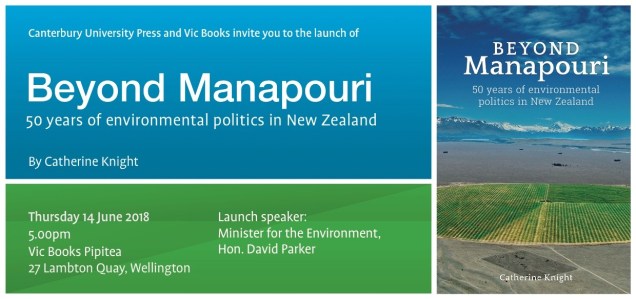
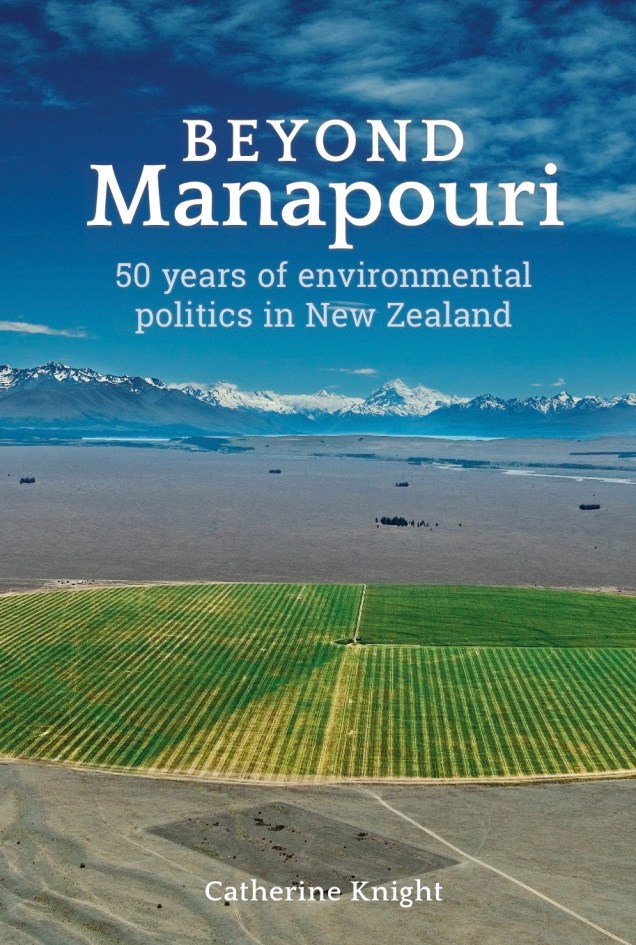
 A new book, Beyond Manapouri: 50 years of environmental politics in New Zealand,traces the history of environmental governance in Aotearoa New Zealand since the heady days of the 1969 Save Manapouri campaign and tackles the reasons for our failure to address our biggest environmental issues.
 For more information and ordering go to
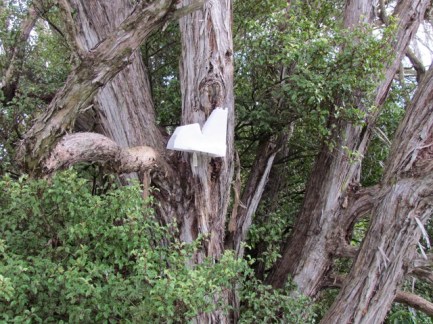 Decisions made by men more than a century and a half ago led to me facing an unpleasant ethical dilemma a few days ago.

 So, a short answer to this question is that the book came from a desire to see debates about fresh water today better informed by the important historical context (and it seems prudent to add, in the context of the eruption of debate on this issue, science too – see


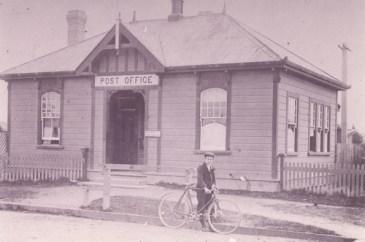 I will be doing a talk about my book Ravaged Beauty, with a focus on the Manawatu River, at the historic
 envirohistory NZ