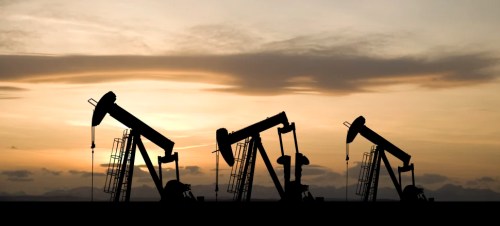
Our current economy and way of life is built on a one-off windfall of energy-dense fossil fuels. While this will not run out any time soon, all evidence points to the fact that it has peaked. But irrespective, if we have any hope of averting the worst extremes of climate breakdown and ecological collapse, we will need to reduce our energy and resource use.
This article, published in Newsroom, explains why and how – by embracing ‘degrowth’, in which we redesign the economy to put human and environmental wellbeing at its centre.
“In years gone by, you may have heard the words ‘peak oil’, often intoned with a sense of foreboding, warning us that before long oil would run out and things would never be the same.
But we don’t hear the term so much any more. Is that because the ‘doomsters’ were all wrong? Because, in fact, we have plenty of oil – and, even better, it’s never going to run out? Unfortunately – or fortunately, if you care about what we are doing to our climate and biosphere – the answer to all those questions is ‘No. As Isaac Asimov said in his influential address ‘The future of humanity’ in 1974:
When I was 13, I started thinking … Major premise: The Earth’s volume is finite. Minor premise: The total volume of coal and oil on the Earth is less than the total volume of the Earth. Conclusion: The volume of coal and oil are finite.”
Here is my second recent article, published on Newsroom. It argues that if we believe the cost of living crisis is more than a momentary blip, we need policy that will strengthen NZ’s own food security and encourage bioregionalism.
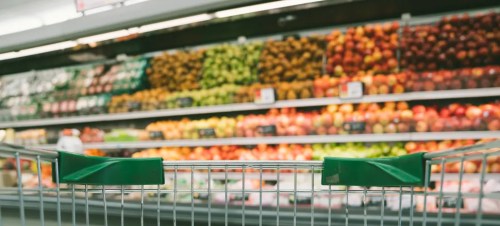
New Zealanders have been finding their supermarket shop a painful experience for some time now, but in December many reached their pain threshold as food prices increased by 10.6 percent compared with 2021. Fresh produce was a whopping 24 percent more expensive – at a time of the year when it is usually plentiful and cheap. Economists reassure us this is just a momentary blip in an otherwise smoothly running economic system – prices will ‘soften’, inflation will ‘moderate’ and ‘better times will come’. These reassurances are comforting and most of us are happy to be soothed by this narrative.
But what if empty supermarket shelves and high prices are symptomatic of something much bigger? A sign of a broken system, now starting to show the tell-tale fissures of climate disruption, ecological collapse, energy descent and increased resource scarcity.
The immediate causes of surging food prices are familiar to most of us: high shipping costs, supply chain disruption, a tight labour market, disrupted weather patterns, spiralling on-farm costs such as fertiliser and diesel.
But all these factors are more connected than we might think.
Over the last few weeks, I have published a number of articles in the media exploring topics such as energy transition, energy descent and food security from a systems lens. I am sharing them through this blog so that they can reach as a wide as possible audience. Here is the first, published on The Spinoff:
“We are all aware of the ambitious changes we need to make if we are to avert catastrophic and irreversible climate change. However, exactly what we need to do remains a confusing minefield which few of us have the time or energy to navigate.
Every day we hear of a new technology that promises to suck carbon dioxide from the atmosphere, or a space-based solar technology that will power millions of homes, or, conversely, we find out that what was touted as a solution yesterday is no longer one today.
But all this “complexity” is just a distraction from the simple reality that to avoid catastrophic climate breakdown we need to make fundamental changes to the way we live.”
You can continue reading ‘Why combatting climate change means embracing degrowth’ at The Spinoff.
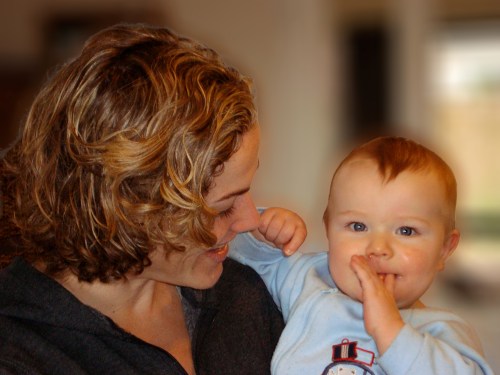
I have made a bleak realisation. I am a failure. I have failed at the single most important role in my life – to safeguard the future for my children.
This has been an awful realisation to make, and it crystallised when my 14-year old son, after listening to some climate-related report on the radio said, ‘We are doomed, aren’t we, Mum?’. Unusually for him, there was not even a hint of facetiousness or irony – he was quite sincere.
At that moment, a bit of my heart shattered into pieces.
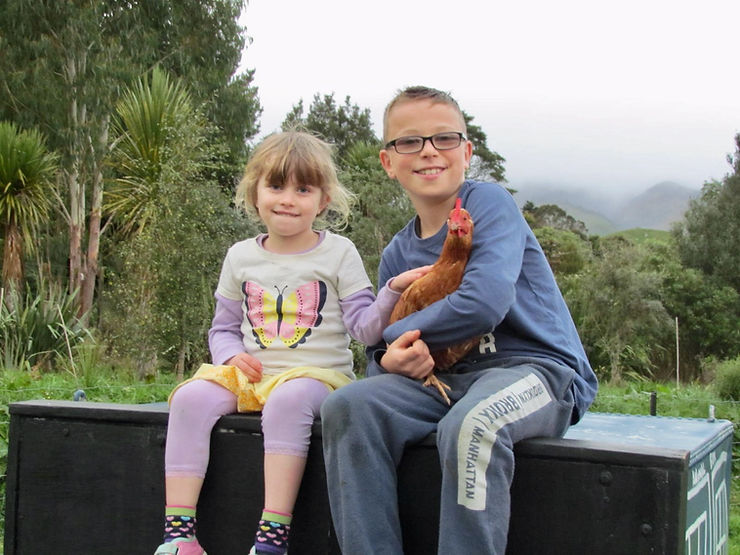
Carter and Caitlyn with Rosie the chicken. What will their future hold?
We now face the growing certainty that we will breach the 1.5 degree warming threshold that may have enabled us to avoid catastrophic and irreversible climate change. We have been warned that accelerating climate breakdown will lead to more severe and frequent climate disasters, ecological collapse, economic and social breakdown and unimaginable human suffering, including starvation, illness, displacement and death.
Or as UN Secretary-General Antonio Guterres so starkly put is a few days ago, ‘we are on a highway to climate hell’ with the option to cooperate or, enter a collective suicide pact, and perish.
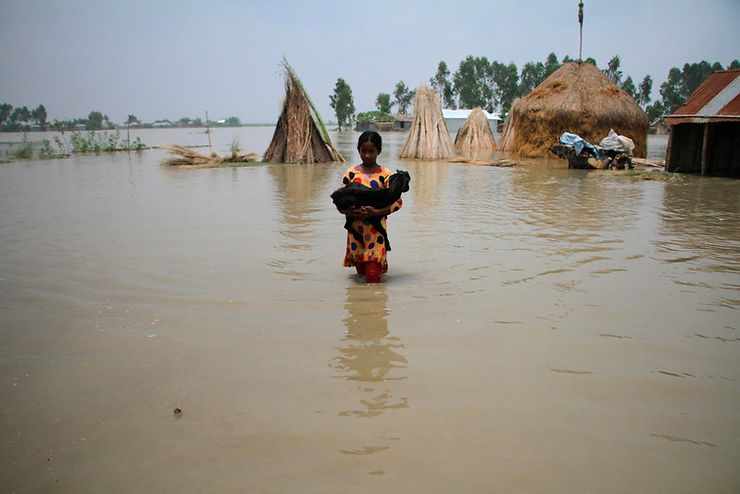
A girl carries a goat through floodwaters in Bangladesh. Climate Outreach.
Even if my children do not experience the worst of this ‘climate hell’ first-hand, they will see it unfold in parts of the world, including the ‘global south’, most vulnerable to climate disruption.
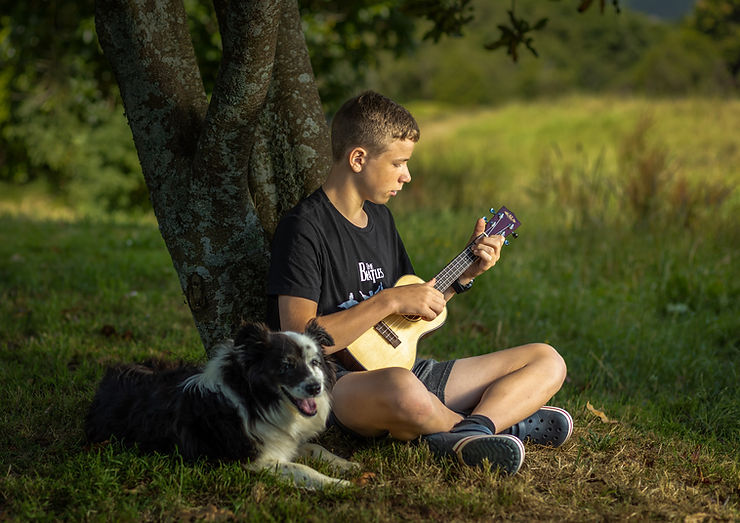
Carter playing his beloved uke, Pippa by his side, under the macadamia nut tree.
As parents, we have worked to equip our children with the skills and attributes they will need when their time comes to navigate the adult world, and hopefully help make it a better place: critical thinking skills, a basic understanding of democratic process, compassion and empathy, and self-belief, especially when they hold views different from others.
And as a parent, I can only hope that this will be enough to weather the climate storm ahead.
For a while now, we have been reassured that if we cannot reduce our emissions as much as we need to, offsetting will take care of the rest – mainly through tree-planting. But this is a fairytale – a convenient one for industry and consumers alike. A tree planted now will not be sequestering carbon at anywhere near its peak rate for many years; meanwhile we continue to pump out climate pollution. Forests are also at increasing risk of fire due to a heating climate, or can simply be harvested – wiping out their sequestration capacity. Recently, Climate Commissioner Rod Carr condemned this strategy as ‘plant and pollute’.
But we can just switch our fossil-fuel guzzling habits to other more sustainable energies, and all will be well, right? Not quite, because there is the issue of net energy. At peak abundance, it took something like one unit of energy to produce 100 units of oil, but alternative energy sources – including hydropower, solar and wind – have a significantly lower energy return. Biofuels perform especially poorly – at 3 or less units of energy for every one consumed by some assessments. So producing enough energy to maintain our energy-hungry lifestyles will require a huge expansion of the energy sector, with all its associated environmental costs.
The reality is simple. The continued pursuit of growth is not viable; we cannot continue consuming and throwing stuff away at the rate we are. We are already in breach of multiple biophysical limits – climate being just one – and the technological salvation we have been waiting for is nowhere in sight.
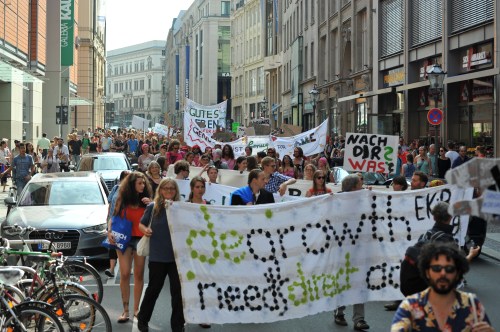
To a growing number of New Zealanders, the way forward is clear. To reduce emissions and our environmental impacts, we must reduce our consumption. Some call this idea de-growth, but this has the obvious disadvantage of sounding like a deficit. In my eyes, this is the wrong way to think about it. I believe that a shift from our obsession with economic growth and its mythical ‘trickle down’ effect, to one where human and environmental wellbeing is central, would be a path to plenitude – of improved wellbeing, time with family and friends, connection with community, time to move, have fun and be in nature.
I grew up in the 1970s. Our family had no car, we walked or biked everywhere, and occasionally took a bus; most of our clothes were hand-me-downs; we grew our own vegetables; if something broke we fixed it; we spent most of our time playing creatively or outside – not with expensive devices. Did I feel deprived or hard done by? No – we had everything we needed for a good life.
I am not suggesting we turn back time and eschew technology, Amish-like, but rather think about what we really need for a good life. When looking back on their lives, few people will regret not having the latest Smart TV or getting that status-enhancing but stress-inducing promotion. Most people will regret things like not spending more time with their kids, or not prioritising their health over work.
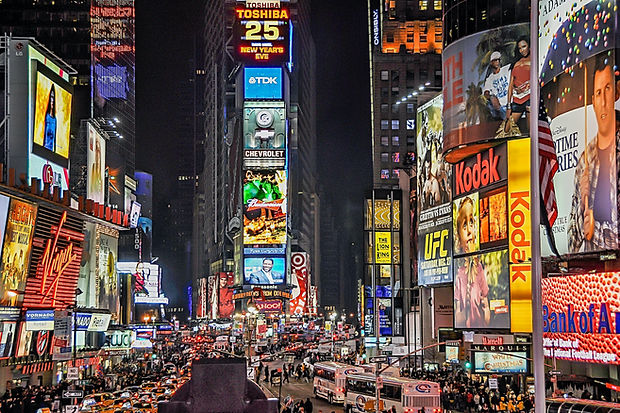
Photo: Pexels – Creation Hill
Whatever we call it: degrowth, steady state economy, wellbeing economy or ‘new economics’, the time to fundamentally reassess what is important to us, both individually and as a nation, is now. Is it growth, mass consumption, convenience; or is it wellbeing, connection, and time to spend with those we love?







 envirohistory NZ