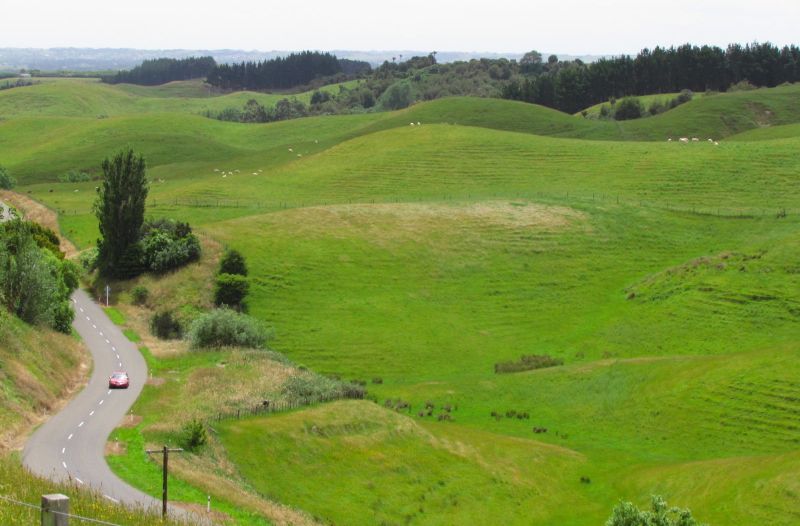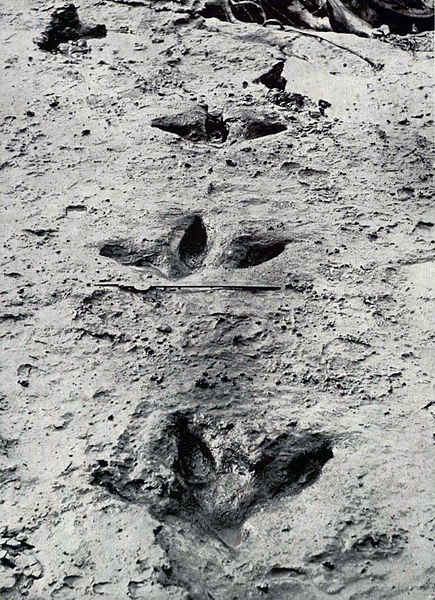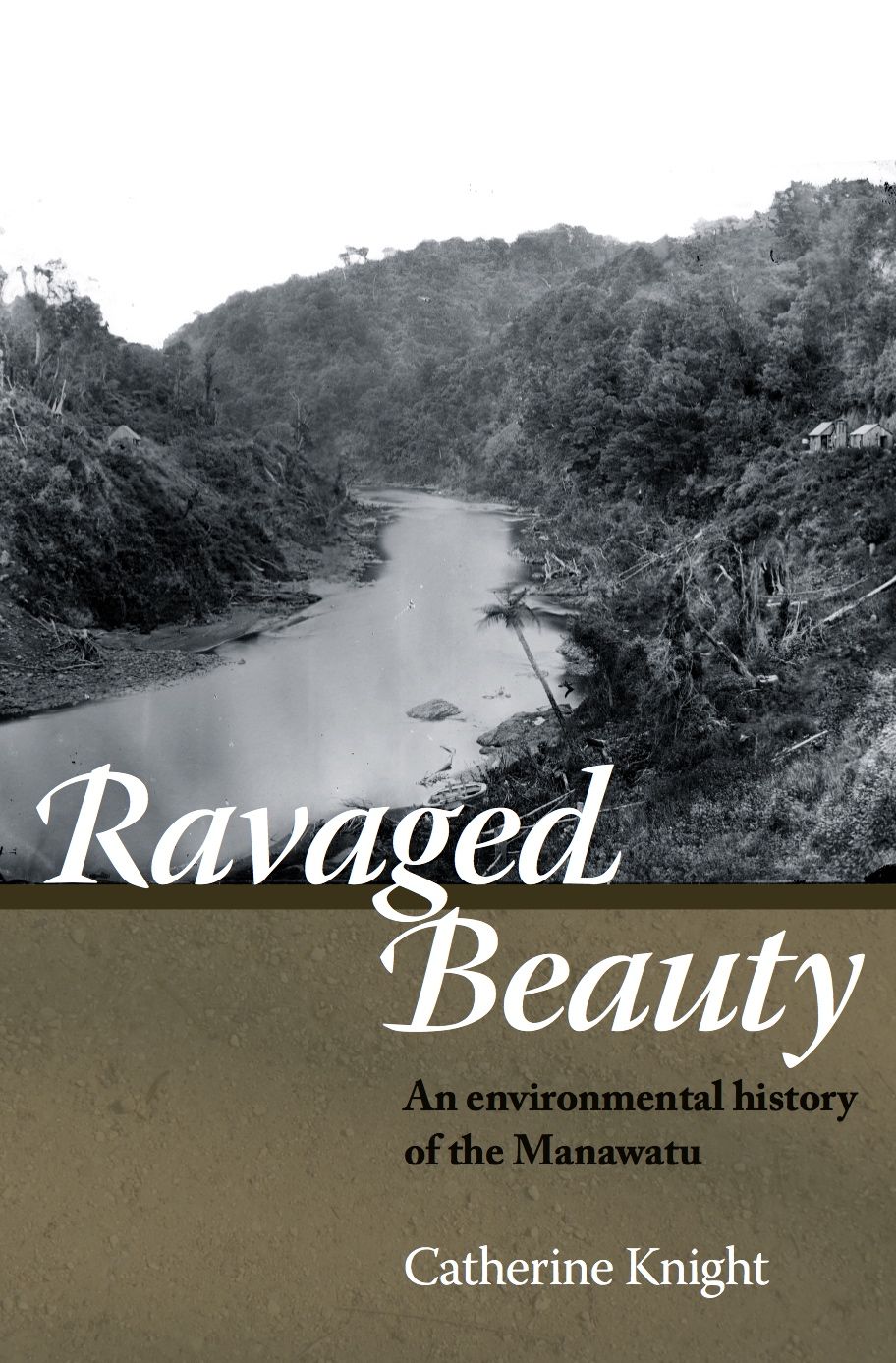
Only a century and a half ago, the Manawatu was a heavily forested hinterland: the floodplains were a sea of swamps and lagoons, teeming with birdlife, eels and other fish; the hills and terraces were covered with thick impenetrable forest, refuge perhaps to a few lingering moa. Continue reading
Catherine Knight
Environmental history in NZ: seven reasons why it’s important

Why should we study New Zealand’s environmental history? and how is it different from “conventional” history?
These are the questions that Paul Star asks in his essay entitled Environmental history and New Zealand history, first written in 2008, but recently republished on Environment and Nature in New Zealand.
Star offers seven compelling reasons why it is important. And of course, the key difference between environmental history and history is that while people are the central players in conventional history, the relationship between people and the environment is the focus in environmental history. Continue reading
Creating a Pastoral World through Fire: the case of the Manawatu

This article, published in the lastest issue of the Journal of New Zealand Studies, examines the role of fire in the opening up of bush country in the region of Manawatu for pastoral farming. Within only a few decades, bush burns had transformed a densely forested environment into one of verdant pasture – leaving only the charred stumps and limbs of incinerated trees as evidence of the dense, impenetrable forest that once harboured moa and other ancient forest creatures. Continue reading
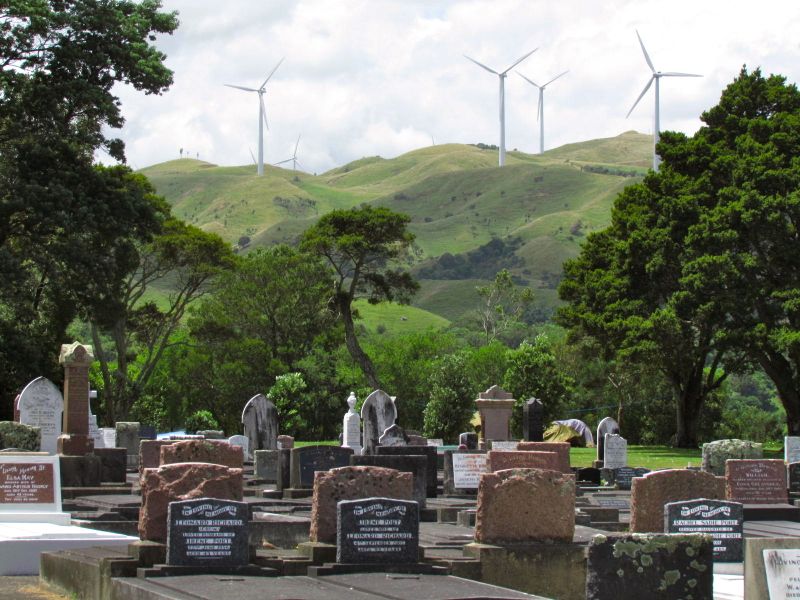
Landscape of juxtaposition: view from a graveyard
Yesterday, we ventured out on a photography expedition for my near-complete book exploring the environmental history of the Manawatu. (See: A racy title is one thing, but what’s the book actually about?) Many adventures awaited us, including an amorous kunekune pig and his similarly friendly ostrich companion, residents of a historic farm at Karere.
At Ashhurst, I was unable to resist this landscape – a poignant juxtaposition between old and new. Continue reading
A racy title is one thing, but what’s the book actually about?

It occurred to me that readers might want to know more about the book before offering an opinion on a title for it! (See: What’s the best title? Please vote! and What’s in a title? Your ideas please!) So here is a synopsis:
Few today would describe the Manawatū as spectacular or iconic – it is unlikely to adorn a tourist brochure promoting New Zealand. But behind this domesticated landscape is a story of transformation so dramatic that few could even imagine how “wild” – primeval, even – this landscape was only a little more than a century ago. Continue reading
What’s the best title? Please vote!
I am getting super-sophisticated now! I realised that there is a poll function in WordPress, and thought, what better opportunity to try it out! This should make it easy for everyone. And, it also allows you to give me your fantastic ideas. (Feel free to post your comments too.) Please see previous post What’s in a title? Your ideas please! for background.
Also see: A racy title is one thing, but what’s the book actually about? for a synopsis of the book.
Note that the following options are the title only; the subtitle will be “An Environmental History of the Manawatu”
What’s in a title? Your ideas please!

It’s been a bit quiet on the blogging front lately, as I have been busy getting as much writing done on my book as I can before the Claude McCarthy Fellowship I was so fortunate to receive finishes. The book examines the environmental history of the Manawatu Region, in the lower North Island of New Zealand, from pre-history through to today (see: Manawatu’s environmental past to be documented), and I have been working on it (between work, family and life) for a couple of years now. (See: A racy title is one thing, but what’s the book actually about? for a synopsis of the book.)
Making progress on writing has been further challenged by the arrival earlier this year of our baby girl, Caitlyn. Caitlyn is known to make her feelings very clear when I spend too much time staring at the screen of my laptop, rather than gazing at/playing with/talking to her. Continue reading
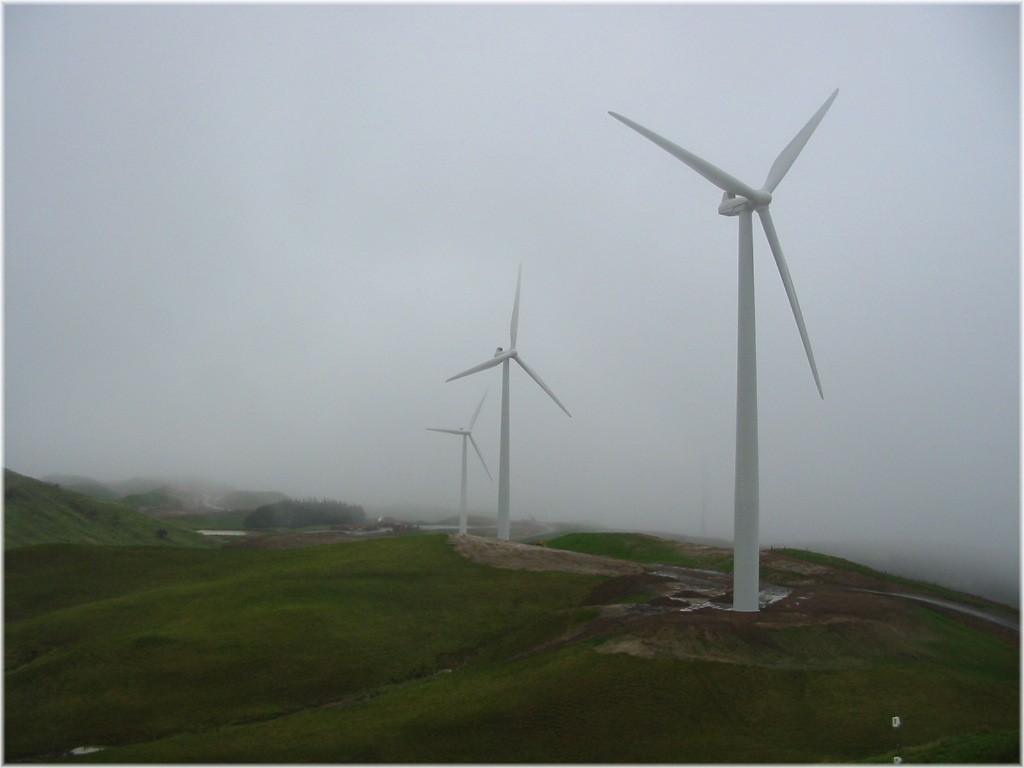
The “turbulent” history of wind farms in the Manawatu

One of the topics I have been researching for my book documenting the environmental history of the Manawatu Region (see: Manawatu’s environmental past to be documented) are wind farms. This is a fascinating story, not so much because of the wind farms themselves, but in terms of the clear evolution in thinking around wind farms. The contrast between the public response to the early wind farms in the Manawatu and the later ones could not be more dramatic. Continue reading
Discovering our own “sacred groves”

When I lived in Japan, I took great pleasure from visiting Shinto shrines. Though I am not a religious person, there was something very spiritual and calming about these places. They were a place of solace and quietude. Shrines were sometimes only very small and simple affairs – often hidden in an unexpected corner of a bustling urban landscape. Continue reading
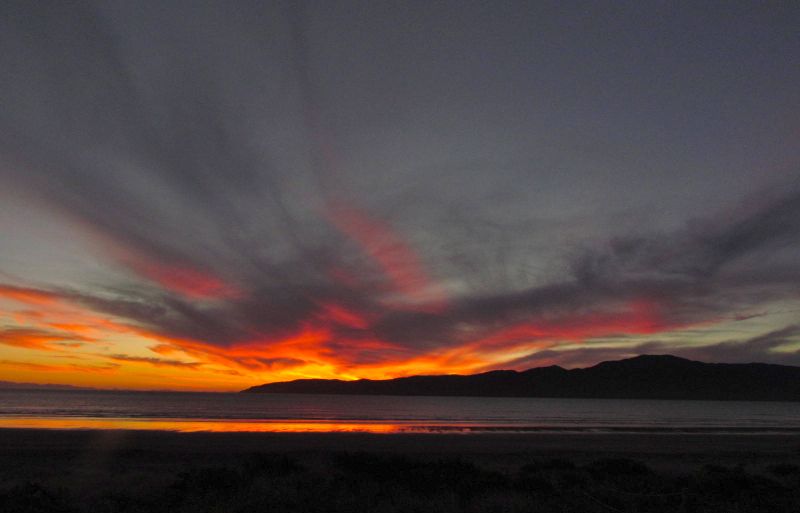
Drama over Kapiti Island
And, in continuation of this ad-hoc series of it’s not always about environmental history, here is a shot of Kapiti Island a few minutes after the previous one.