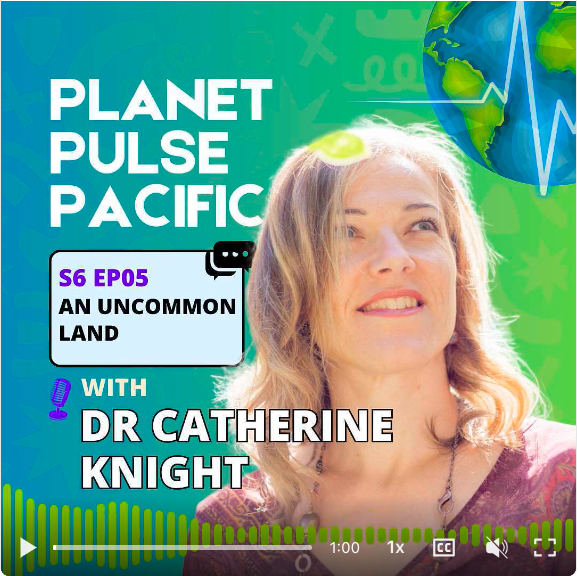
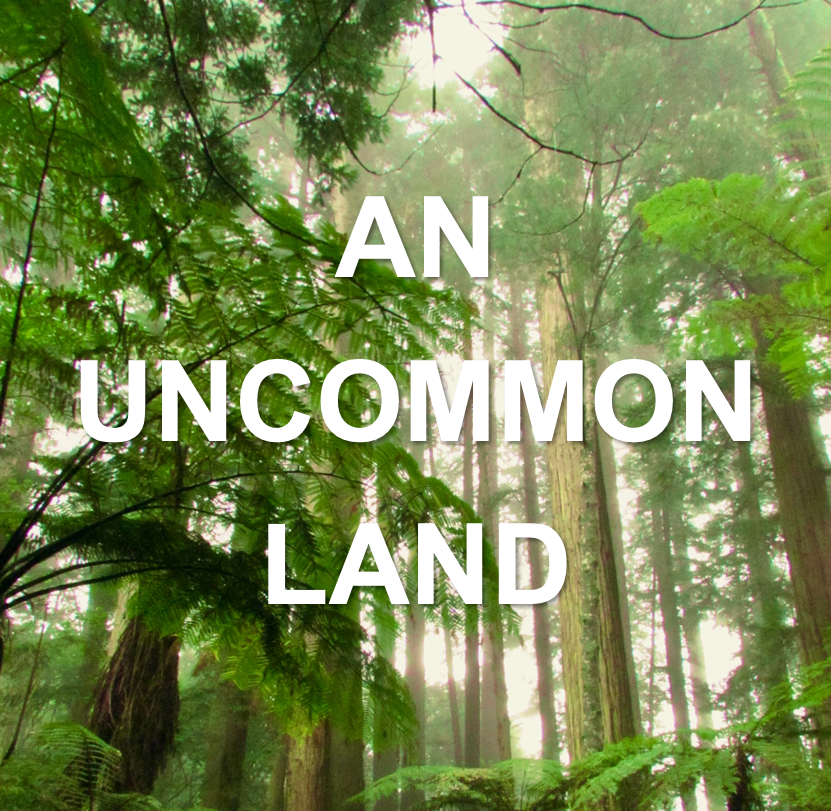
My new book ‘An Uncommon Land’ was released this month and you can find out more about it (including how to order) here. For a sneak preview, check out the book trailer.
For more regular posts on the themes traversed in An Uncommon Land (eg, wellbeing economy, environmental history, the history of commons and their enclosure), why not check out my Substack An Uncommon Land.
Exploring enclosure, colonisation and denaturing through an ancestral past, towards the possibilities of a re-commoned future
This week, after about four years of working intermittently on my latest book ‘An uncommon land’, I handed over my manuscript to my trusted editor. I have been released (for a while at least) from the research and writing that has been all-consuming over the last months. This is when the exciting phase of transformation begins: taking pages of painfully pored-over words and a ragtag collection of images, and crafting them into a book. And, I get to start talking with people about the ideas and reflections that have until now been confined to my mindscape and to the Word doc on my screen.
‘An uncommon land’, the title of my book, has dual meaning – one meaning that points to the past, and one meaning that points to the future. I will expand on this in subsequent posts. But, as a taster, here is a blurb about my book:
‘An uncommon land’ is a unique exploration of New Zealand’s history using the experience of the author’s ancestors as a lens. In this engaging and richly illustrated book, award-winning author and environmental historian Catherine Knight throws light on the genesis and evolution of the commons, its erosion through enclosure, and the ascendency of private property in parallel with the rise of capitalism – a history that has indelibly shaped New Zealand society.
Like other European settlers, the lives and future prosperity of the author’s ancestors had their foundations in war, land appropriation, and environmental destruction, but in their stories there are also glimmerings of the potentiality of commons – tantalising hints of an alternative path to a re-commoned, regenerative future.
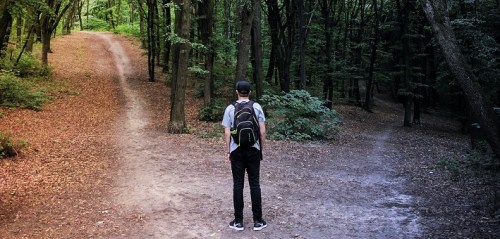
This book comes at a pivotal juncture in our history: the last two centuries have been characterised by land enclosure, the unconstrained destruction of nature, and capital accumulation. As we face unprecedented challenges caused by our exploitative actions towards nature and each other, we have a choice: to continue along the path of exponential growth, or to reassess the way we engage with the natural world and the rest of society. From a past of enclosure, resource exploitation and denaturing, we could choose a path of re-commoning and regeneration, taking inspiration from our collective history.
Over the next weeks and months, I intend to explore the themes traversed in the book through some short writings on Substack. The topics will be wide-ranging and probably somewhat random and unpredictable (even to me). I hope you will join me on this unpredictable, exploratory – and hopefully, thought-provoking – journey from the past into the vast potentiality of a different kind of future.
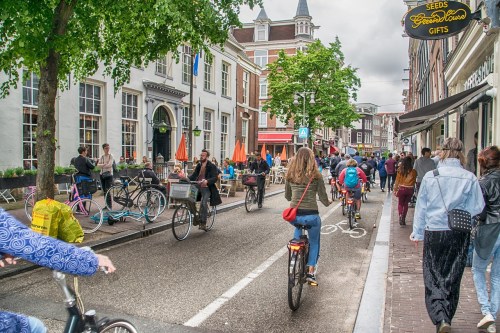
A people-centred street-scape in Amsterdam. Pixabay
I was recently invited to write an editorial for City Changers, a European-based organisation helping to create better cities and towns for the future. This followed a LinkedIn post I wrote earlier this year critiquing the promotion of EVs as a solution to climate mitigation – the post went, as they say, viral.
In my City Changers article I expand on this original critique but focus more on the actual solution: cities, towns and rural communities built for people not heavy, energy-guzzling metal boxes.
Here is an excerpt:
To address the emissions and high energy and resource demands of our transport system we must change the system: move away from car-centric towns and cities by investing properly in public transport and make active transport (walking, wheelchair use, and cycling) safe and enjoyable. There will also be a role for on-demand and shared vehicle mobility, which yes, will likely be electric – but our goal should not (and cannot) be the replacement of the entire ICE fleet with EVs.
But most importantly, we must shift the conversation. Rather than focusing on how to get people and stuff from A to B, we should be talking about how we can build future cities and towns that will meet people’s needs for ‘a good life’ within a 15 minute or so walk, cycle, or quick and easy public transport ride of people’s homes.
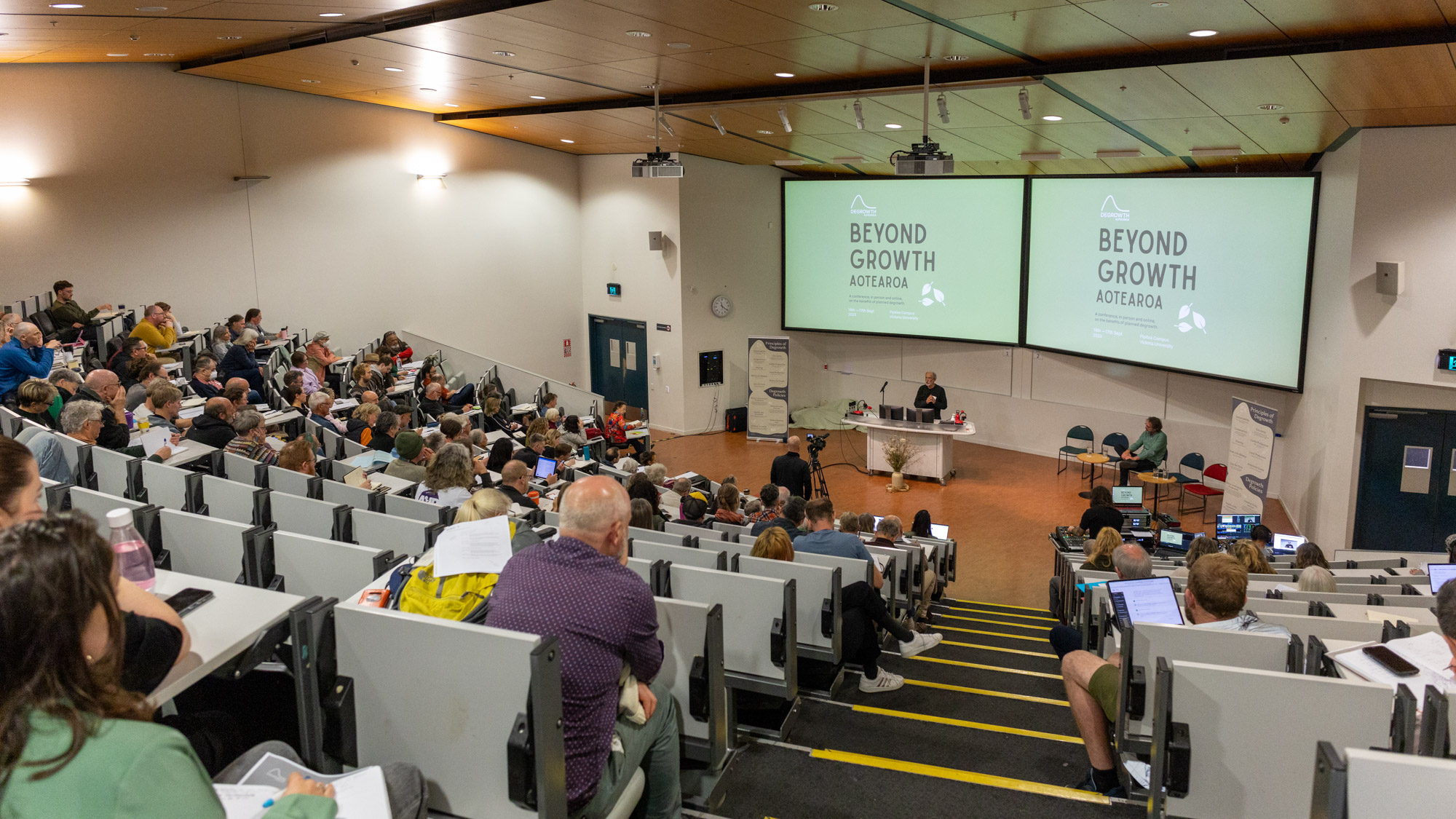
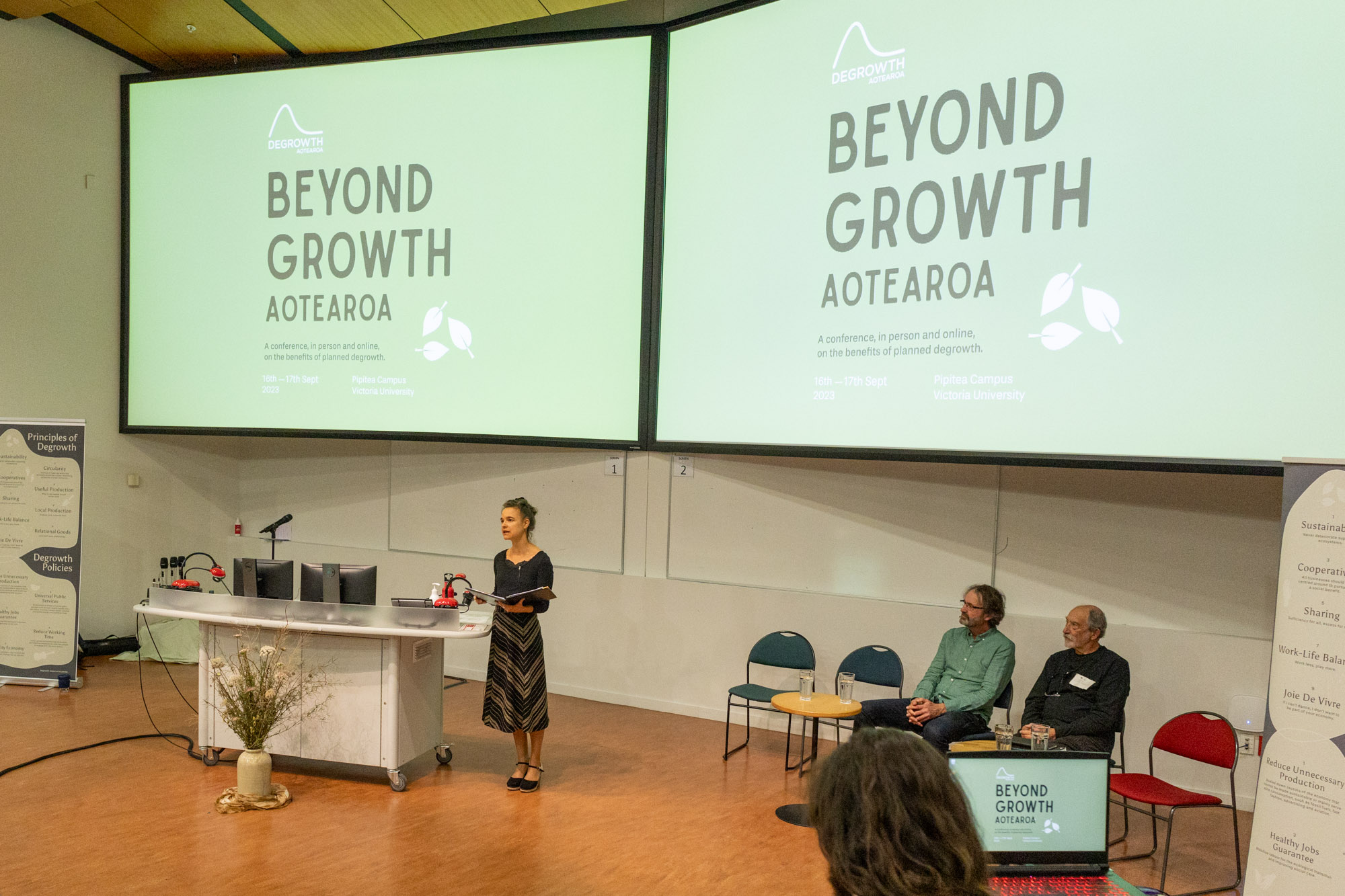
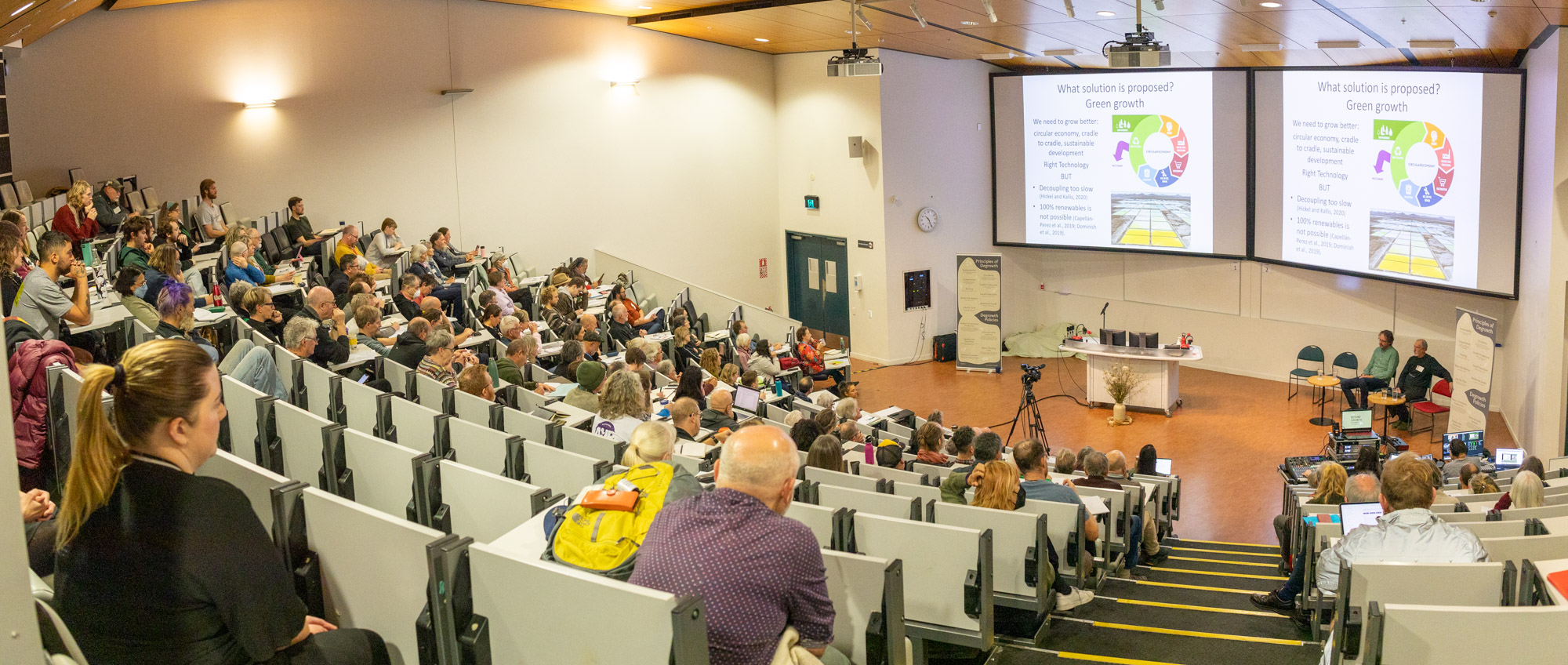
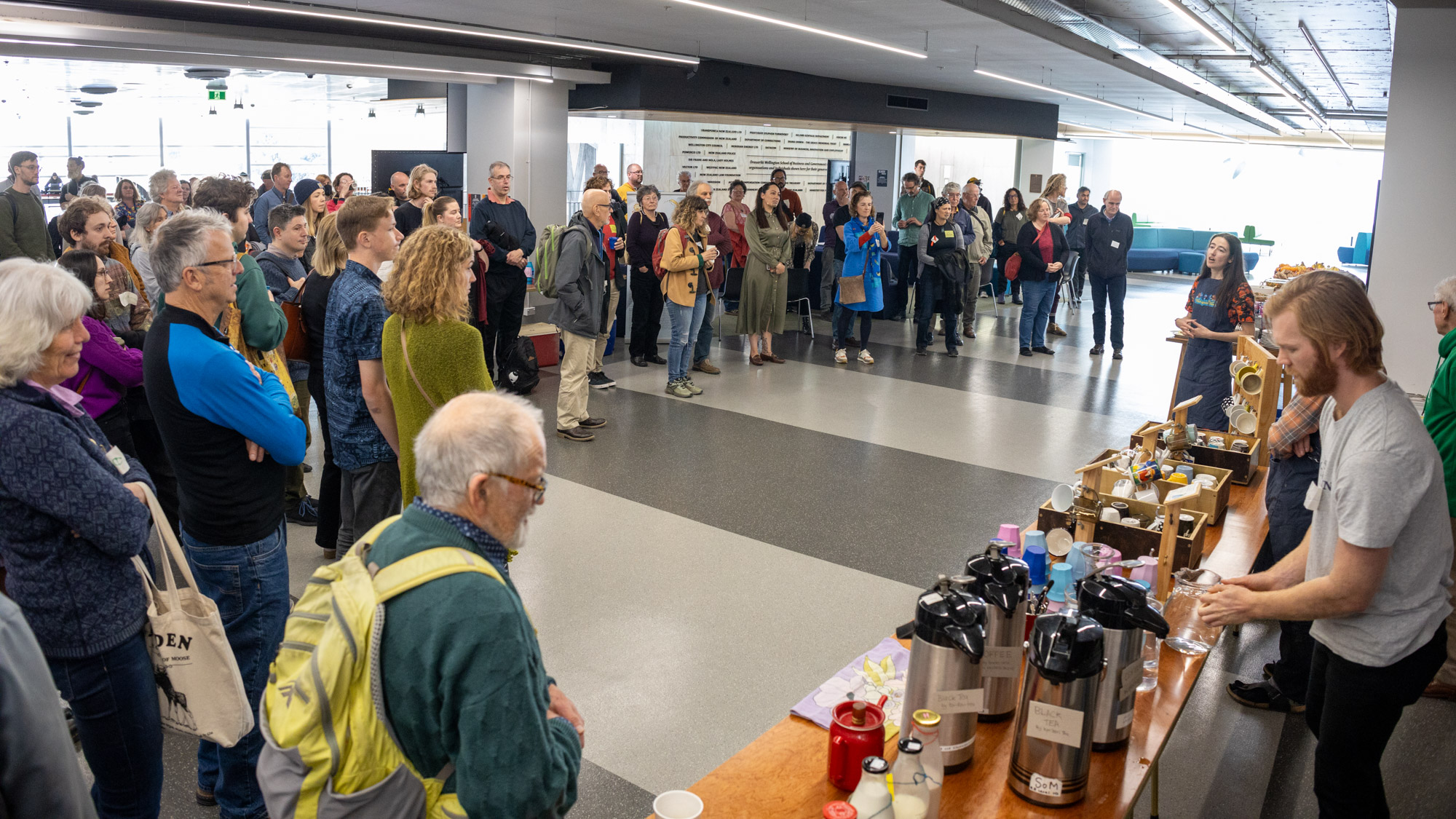
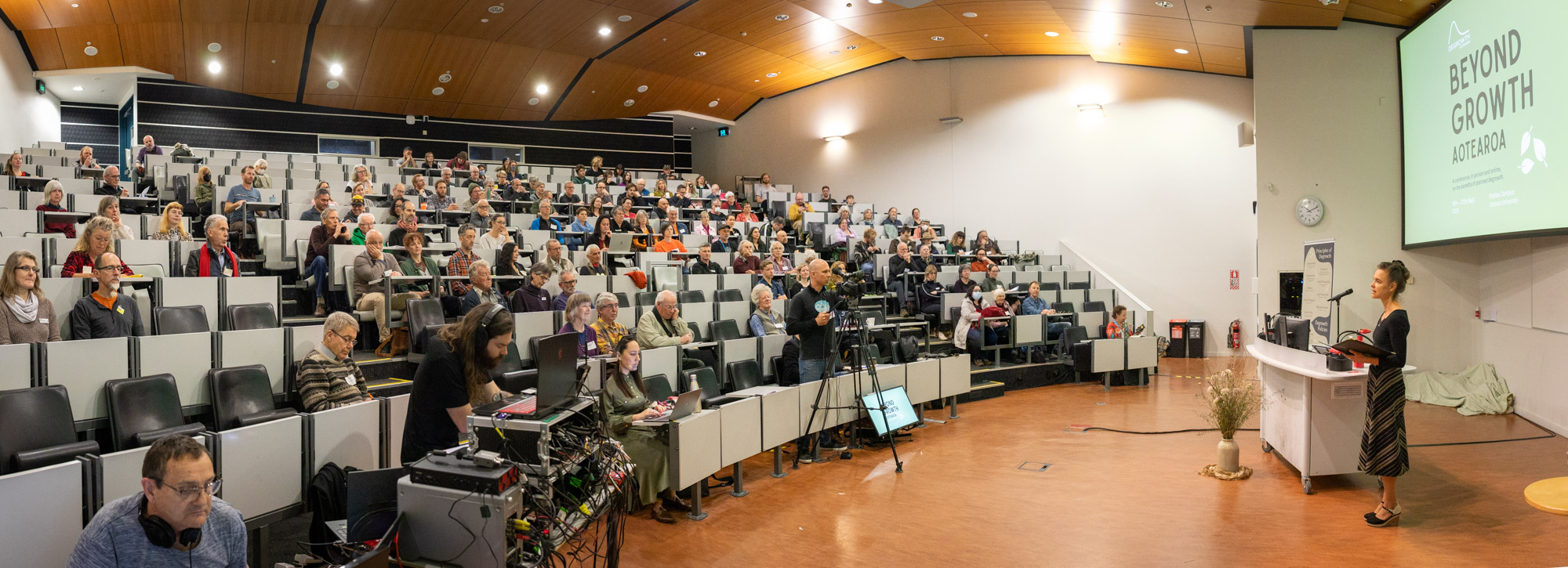
The session recordings for the recent Beyond Growth Aotearoa conference, held at Victoria University of Wellington are now available and can be viewed on Youtube.
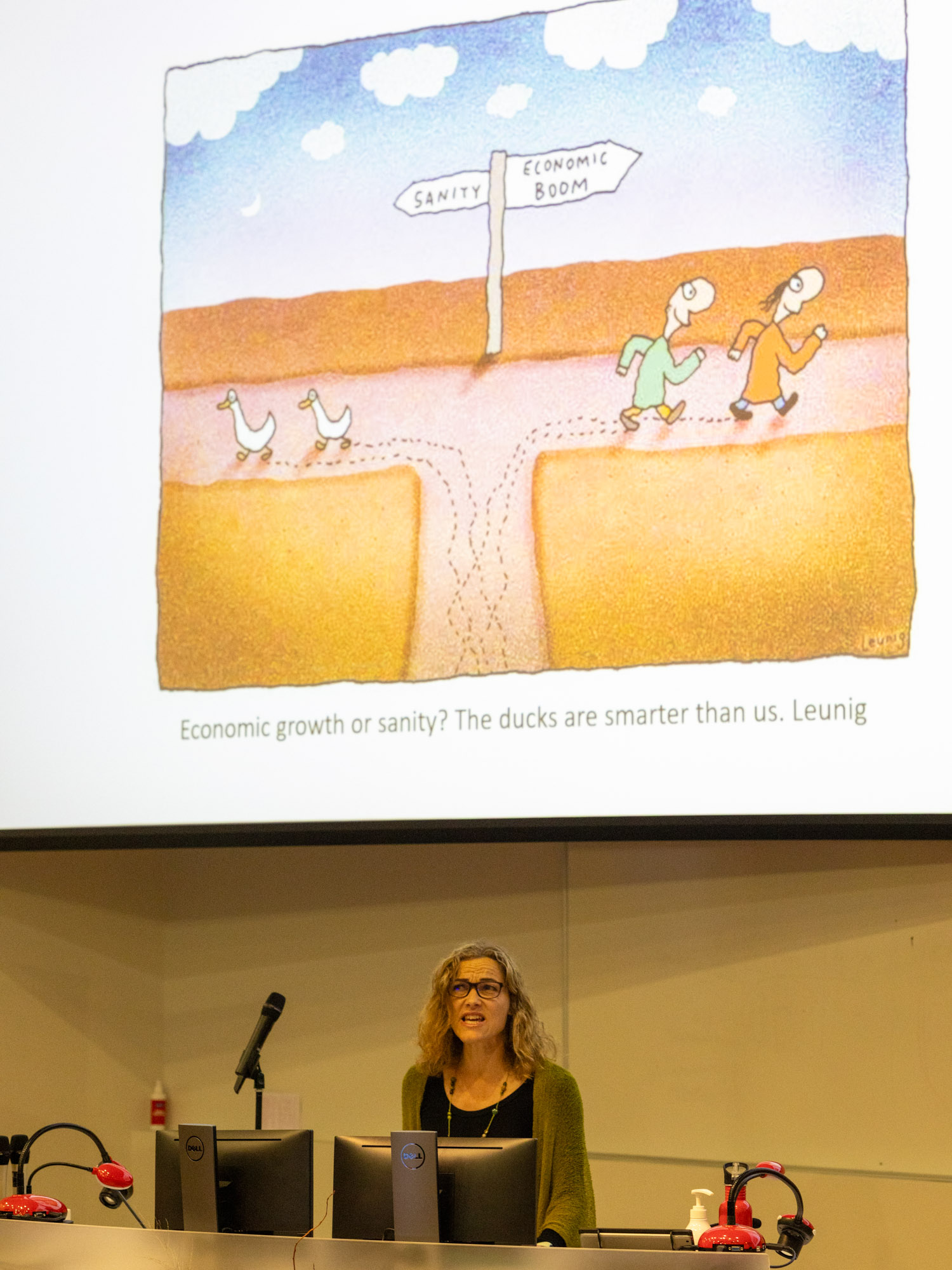
My session focused on sufficiency as a pathway to a post-growth economy. In the talk I draw on the experience of France, which has instituted sufficiency at the core of its energy law. Whatever we call this new pathway, the reality is clear: the current economic system is not working for people or the planet. We need an economy that focuses on delivering what people need to support wellbeing while operating within safe operating boundaries (listen to my conversation about wellbeing economy with RNZ’s Jesse Mulligan here). In my conference session I suggest some possible areas of focus, including a food resilience strategy and an energy security strategy. Take a listen to find out more.
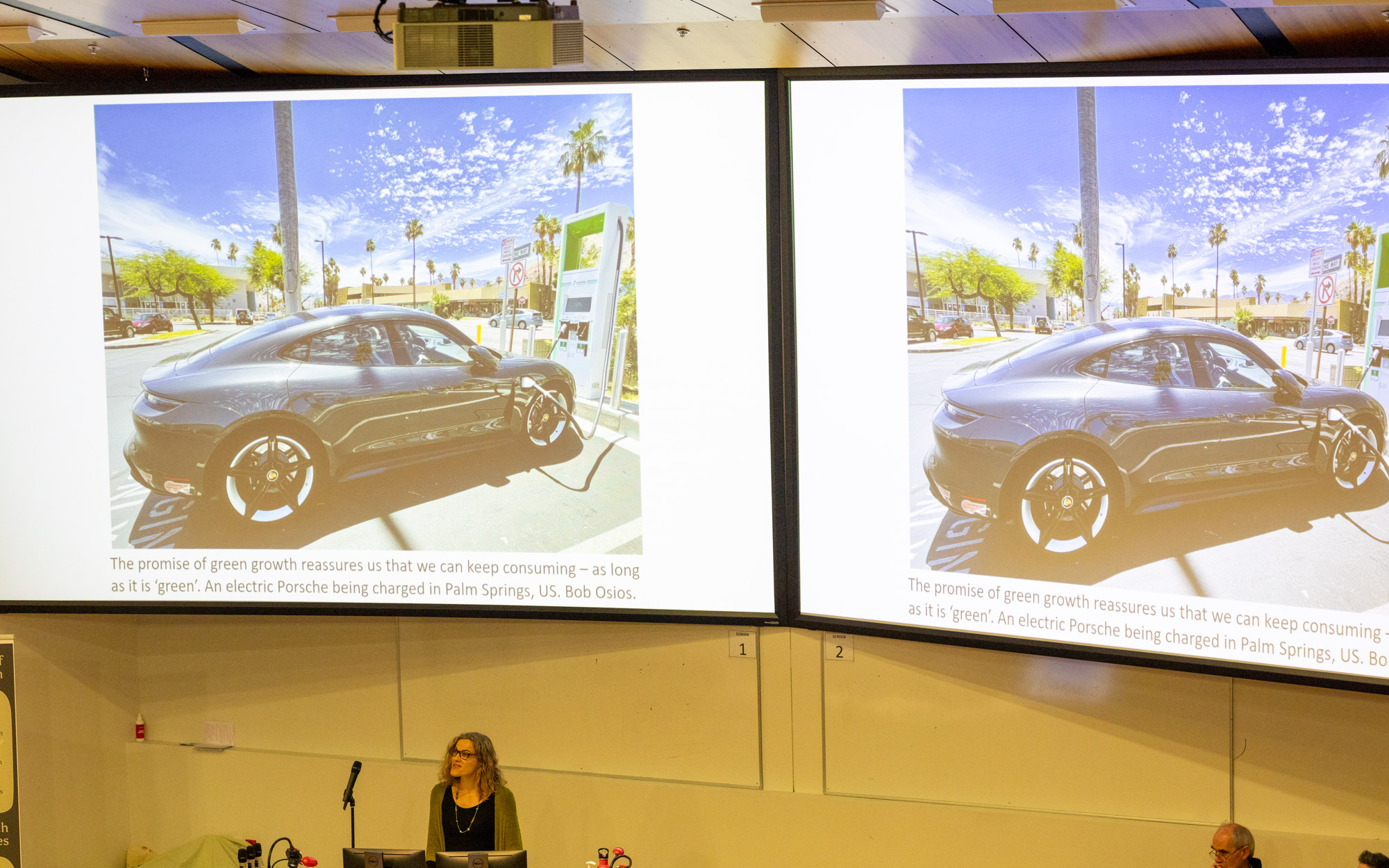
We can’t consume our way out of the climate crisis. Photo courtesy The Kaka.
This week I chatted with journalists Bernard Hickey and Cathrine Dyer about the economics of sufficiency on The Kaka. We covered a lot of ground, including why recycling and buying an electric car won’t quite cut if we want to curb combat climate change, the limits of the renewable energy transition, and the idea of putting sufficiency ahead of GDP growth as the central policy goal for our economy.
Listen to and read more about the conversation here.
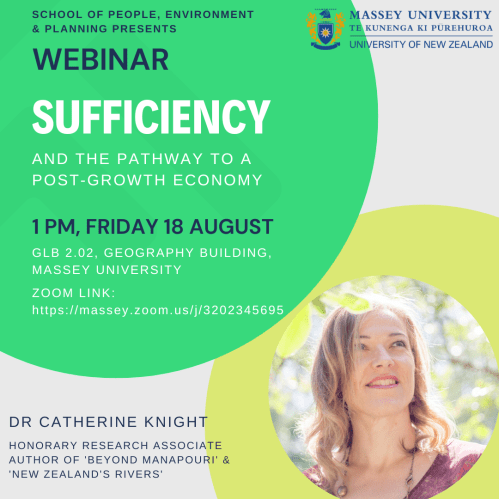
In August I presented a seminar, hosted by Massey University, on what I believe to be the single most important issue we face today. That is, how to reconcile our growth-based economy and energy-intensive way of life with the polycrisis that means a liveable planet hangs in the balance.
In the talk, I argue that we simply cannot reconcile these two things – contrary to what we are led to believe by the proponents of green growth. Instead, we must let go of growth as the central goal of our economy and focus instead on what a society needs to deliver to achieve wellbeing for all, within the limits of a finite planet.
I argue that a key policy goal must be “sufficiency” – with the right vision, it is an idea that people from across the political spectrum are likely to coalesce around, unlocking the pathway to a better future.
For those who missed the seminar, here is a link to the recording (passcode: 0U3PW@sA).
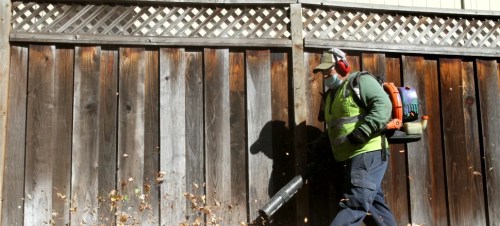
Leaf blowers made from recycled materials or designed to last for 10 years are still products that no one actually needs, produced using scarce energy and resources, with the sole purpose of making a profit. Newsroom
In this piece on Newsroom, I argue that just as the architects of our current economic system designed the system around perpetual growth, we can redesign the economy around delivering wellbeing to all, within planetary limits
“Every civilisation has had its irrational but reassuring myth. Previous civilisations have used their culture to sing about it and tell stories about it. Ours has used its mathematics to prove it.”
The economist and writer David Fleming was speaking about our civilisation’s myth of perpetual economic growth. And the mathematics, along with the graphs, models and analyses supporting this myth have become increasingly elaborate – inscrutable to the average person, who dares not question their truth. But now, it is not just mathematics used to assert the validity of a growth-based economy, we have added words to our arsenal of myth-making.
In this latest piece on Newsroom, I argue that it is time we democratised economics and work towards designing an economy that works for people and the planet, not the other way around.
Imagine a day when you tune into the financial news and the announcer reports:
“Share markets have plummeted to historic lows overnight with more of the world’s mega-corporations losing investor confidence. Investors are flocking instead to promising social enterprises, citing pressure from grandchildren who would rather inherit a liveable planet than a private jet.
“In New Zealand, the Domestic Happiness Index (DHI) is continuing its strong upwards trajectory and our national contribution to the Planetary Overshoot Index (POI) is trending downwards. This mirrors global trends, and leading ecological economic commentators are bullish, predicting that we may still have a liveable planet in 2050.”
Just imagine.
This scenario may not be as far-fetched as we first think. But for it to happen, we must be part of redesigning an economy fit for the 21st Century.
Many of us are aware by now that we are facing multiple crises: climate change being just one – warming and acidifying oceans, depleted soils, global habitat and biodiversity loss are among the others in this ‘polycrisis’. The Auckland floods have made us acutely aware of how vulnerable our cities are to the ravages of extreme weather, events predicted to become more extreme and frequent as the effects of climate change bed in.
We know that this is not going to get better any time soon. There will be more floods, droughts and other weather events that will cause destruction, economic loss and human distress on a scale that we cannot yet imagine. Even the issues that affect us day to day, such as the cost of living, have at their root the unsustainability of our current economic system.
The realisation is dawning among many of us that we cannot solve this problem following the same path that led us here – that is, an extractive growth-oriented economy dislocated from the realities of a finite planet.











 envirohistory NZ