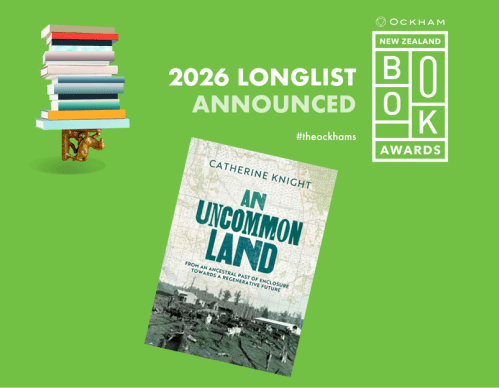
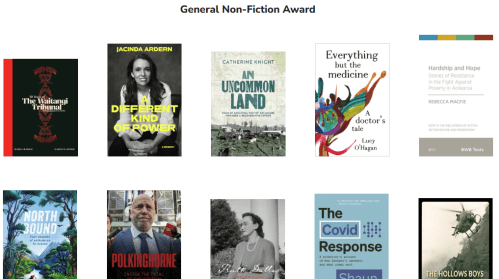
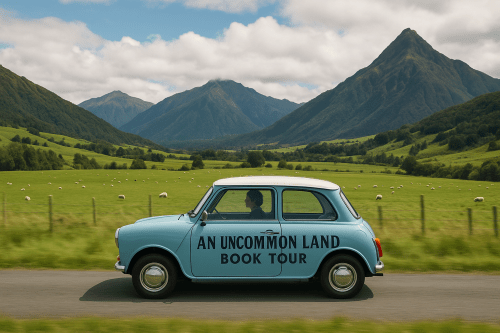
Announcing the ‘An Uncommon Land’ Book Tour!

Thanks to the support and enthusiasm of lots of organisations and people around the motu, we have managed to lock in dates for events organised so far:

29 July – national (online), Wellbeing Economy Bookclub

9 August – Paekakariki, Kapiti Book Festival

12 August – Christchurch, Scorpio Books

13 August – Timaru, South Canterbury Environment Centre

14 August – Dunedin, Centre for Sustainability, University of Otago

27 August – Matamata, Transition Towns

28 August – Hamilton, Rototuna Public Library, in partnership with Go Eco (Waikato Environment Centre)

17 September – Wellington, Sustainable Business Network member’s event

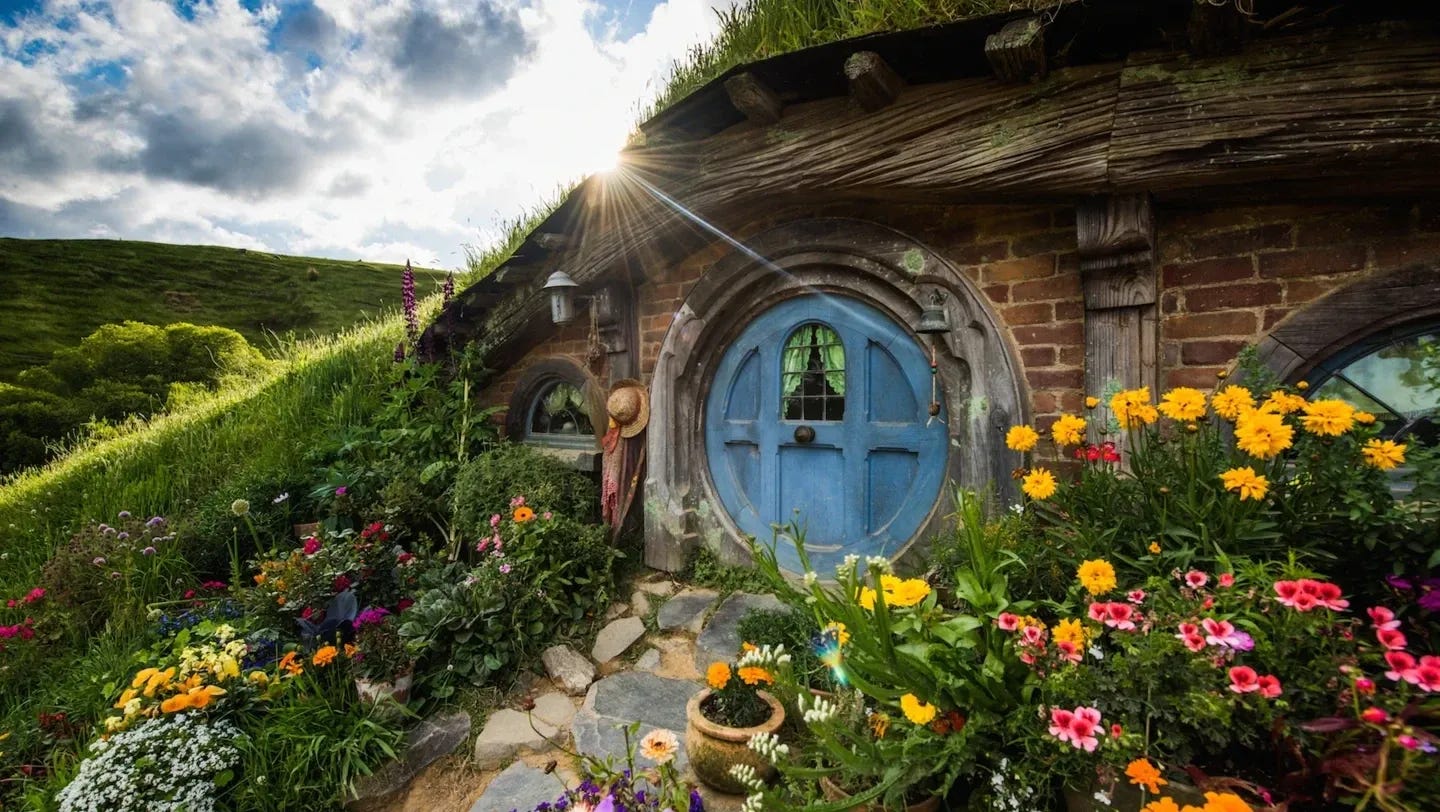
Will the ‘An Uncommon Land’ book tour be the biggest thing to hit Matamata since Hobbiton?

In addition to these confirmed events, I am in the process of planning events to be held in the following centres:

  • Wellington (public event)
  • Auckland – in partnership with University of Auckland and Deep Green Aotearoa
  • Palmerston North
  • Hawke’s Bay
  • Gisborne/Tairawhiti (this may be online)

If you would like to help partner on, host, or otherwise support these events, please let me know. You can contact me via message on Substack or via my website.

Find out more about An Uncommon Land here. Read the media release here.

Talking commons, enclosure, denaturing – and drawing on ancestral wisdom to build a better future

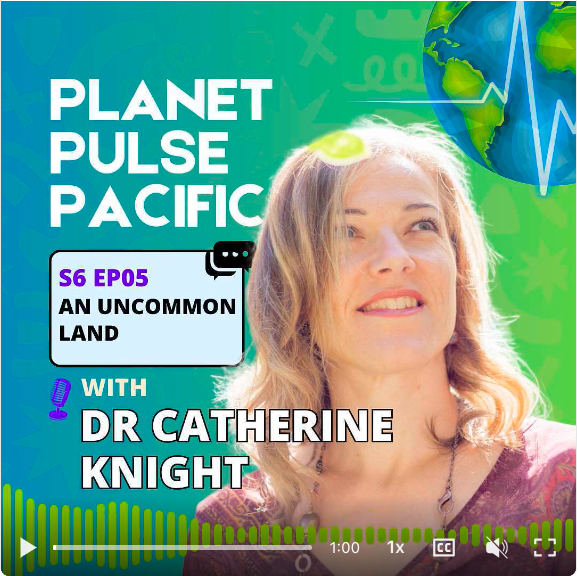
This week I talked to Ben and Emma on the Planet Pulse Pacific. The conversation was diverse and wide-ranging, including:

  • What inspired me to write ‘An Uncommon Land’
  • The vulnerability of writing a deeply personal book
  • The notion of commons – its historical significance and near-erasure in New Zealand
  • Debunking the myth of the ‘tragedy of the commons’
  • How the process of enclosure continues to shape society today
  • Auckland’s lost tram network and the role of transport-integrated urban design
  • Our complicity in an economy built on exploitation and environmental degradation
  • Envisioning alternative futures: post-growth economic models, food security, and land as a shared inheritance
  • Why we must redirect public investment toward collective wellbeing

Listen to the podcast episode here.

A reminder too that for more regular posts, you may wish to check out my posts at my Substack An Uncommon Land.

Discover ‘An Uncommon Land’

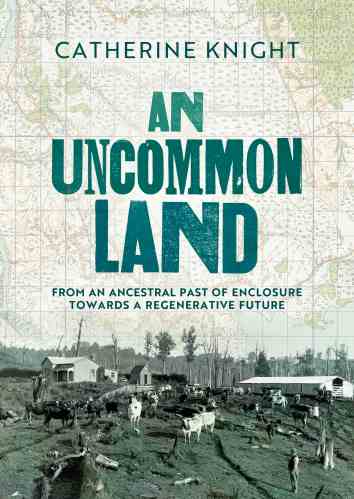
My new book ‘An Uncommon Land’ was released this month and you can find out more about it (including how to order) here. For a sneak preview, check out the book trailer.

For more regular posts on the themes traversed in An Uncommon Land (eg, wellbeing economy, environmental history, the history of commons and their enclosure), why not check out my Substack An Uncommon Land.

‘An Uncommon Land’ is on the horizon

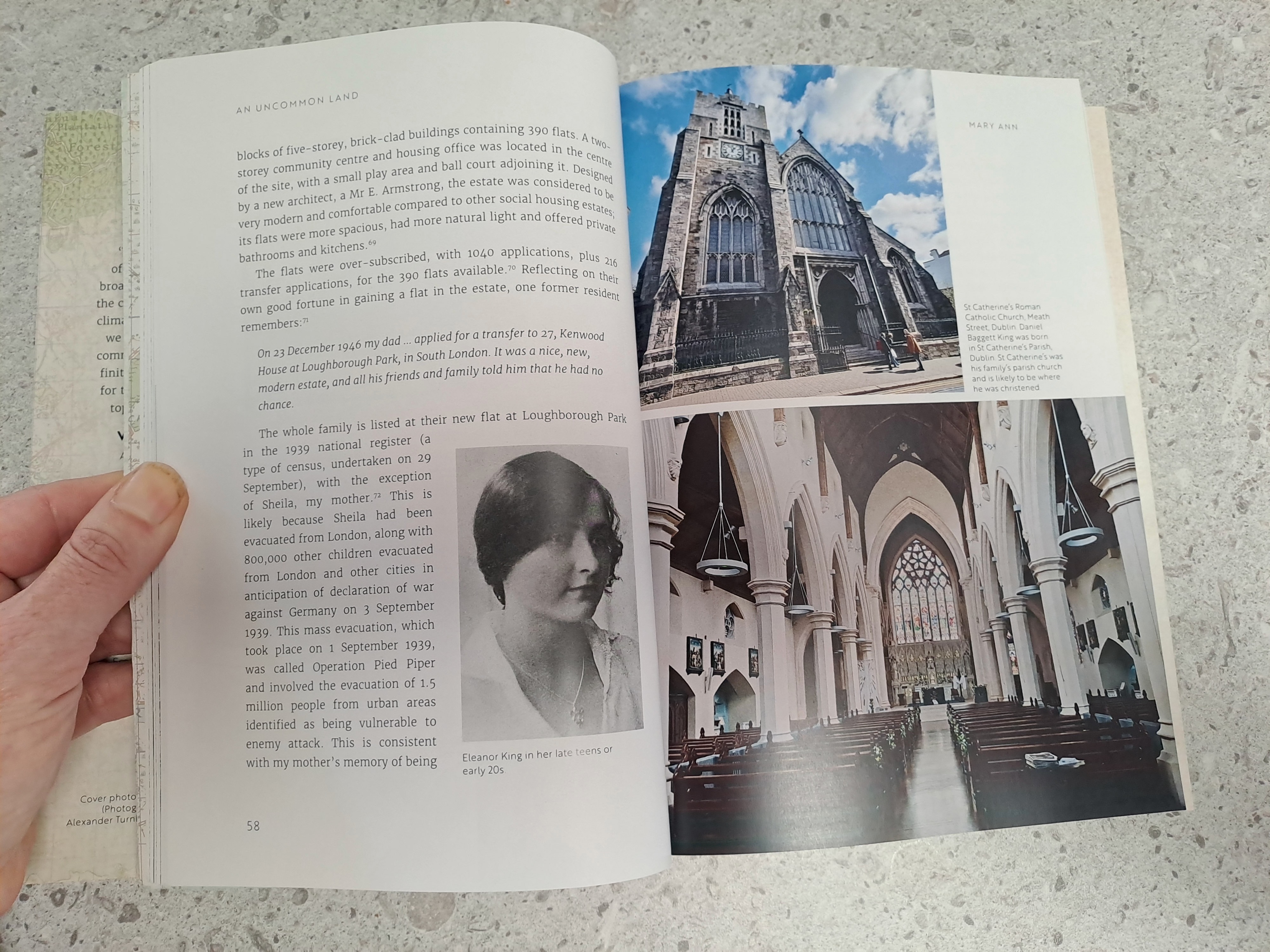
It has been a busy couple of months, getting my new book ‘An Uncommon Land’ edited, designed and laid out and then checked, re-checked, and triple-checked ready for printing. It is now being printed, due to released by the end of this month.

So, what is ‘An Uncommon Land’ all about?

An Uncommon Land is a story of enclosure, dispossession, colonisation and – ultimately – hope for a better future. Through the lens of her ancestors’ stories, Catherine Knight throws light on the genesis and evolution of the commons, its erosion through enclosure and the ascendency of private property in parallel with the rise of capitalism – a history that has indelibly shaped New Zealand society and its landscape.

Like other European settlers, the lives and future prosperity of the author’s ancestors had their foundations in war, land appropriation and environmental destruction – but in their histories lie glimmerings of the potentiality of commons: tantalising hints of an alternative path to a re-commoned, regenerative future.

At this pivotal juncture in our history, we face unprecedented challenges caused by our exploitative actions towards nature and each other. But we have a choice: to continue along the path of untrammelled exploitation and exponential growth, or to reassess the way we engage with the natural world and the rest of society. From a past of enclosure, resource exploitation and denaturing, we could choose a path of re-commoning and regeneration, taking inspiration from our collective history.
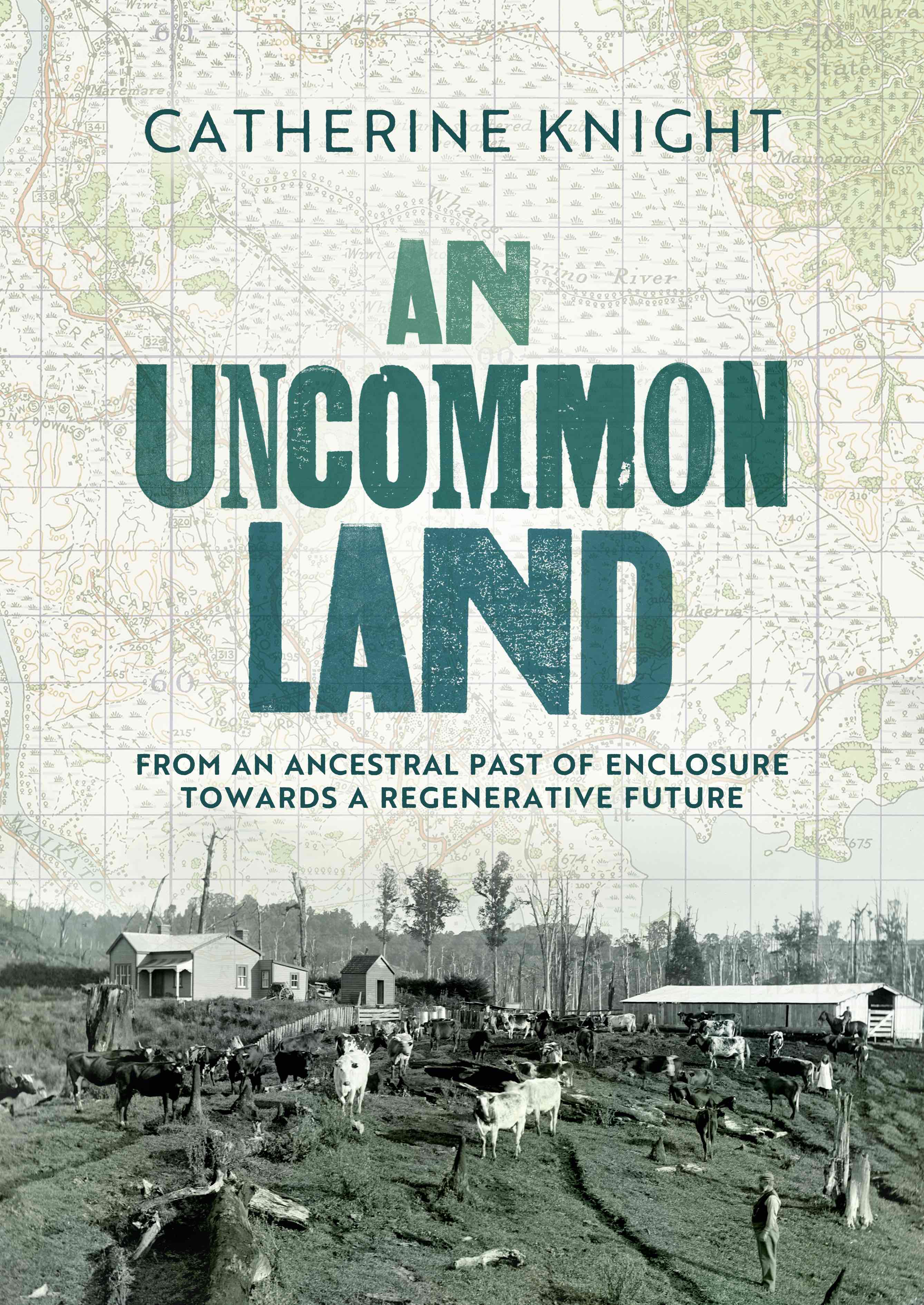
My aim with the book is to invite readers into a conversation. A gentle invitation to reassess the world we live in today by reflecting on our own ancestral past. Is it really so radical to talk about a society which carefully regulates the use of common resources, lives within limits, and values social connection beyond the accumulation of material possessions, when these were natural features of own ancestors lives not so many generations ago?

The book will be available as a beautifully designed paperback book (thanks to my talented designer Matthew Kelly) as well as an e-book. More details on my website and a downloadable flyer here. Can be pre-ordered from Nationwide Book Distributors.

There will be no formal launch, but I would love to hear from groups or organisations wishing to host author talks, panel discussions or similar exploring the themes of commons, enclosure, regenerative economy or post-growth paradigms – this could be standalone, or alongside other authors or thought-leaders – all proposals considered! Feel free to contact me via Substack or via my website.

‘Ravaged Beauty’ now available as an e-book

An exciting announcement! The award-winning ‘Ravaged Beauty’, which is once again approaching sold out in hardcopy, is now available as an e-book.

Before the arrival of European settlers in the late 19th century, the Manawatu Region of New Zealand was a heavily wooded hinterland, its forests ringing with the sound of birds, its abundant wetlands teeming with fish and waterfowl. But within a few decades, the forest had been reduced to ashes; the swamps and lagoons were being drained away. Progress marched across the landscape in the form of farms and settlements.

It wasn’t long before nature exacted its revenge: erosion scarred the hillsides, floods ravaged farms and towns. Pollution of the rivers saw fish dying en masse. How would people meet these environmental challenges, and what lessons would there be for the future? Drawing on a rich array of sources, maps and photographs, Ravaged Beauty tells the story of environmental transformation – part of the great tide of ‘progress’ that touched every corner of the globe – with consequences that continue to reverberate today.

Available on Amazon or scoop up one of the last hardcopies from Nationwide Books.

An uncommon land

Exploring enclosure, colonisation and denaturing through an ancestral past, towards the possibilities of a re-commoned future

This week, after about four years of working intermittently on my latest book ‘An uncommon land’, I handed over my manuscript to my trusted editor. I have been released (for a while at least) from the research and writing that has been all-consuming over the last months. This is when the exciting phase of transformation begins: taking pages of painfully pored-over words and a ragtag collection of images, and crafting them into a book. And, I get to start talking with people about the ideas and reflections that have until now been confined to my mindscape and to the Word doc on my screen.

‘An uncommon land’, the title of my book, has dual meaning – one meaning that points to the past, and one meaning that points to the future. I will expand on this in subsequent posts. But, as a taster, here is a blurb about my book:

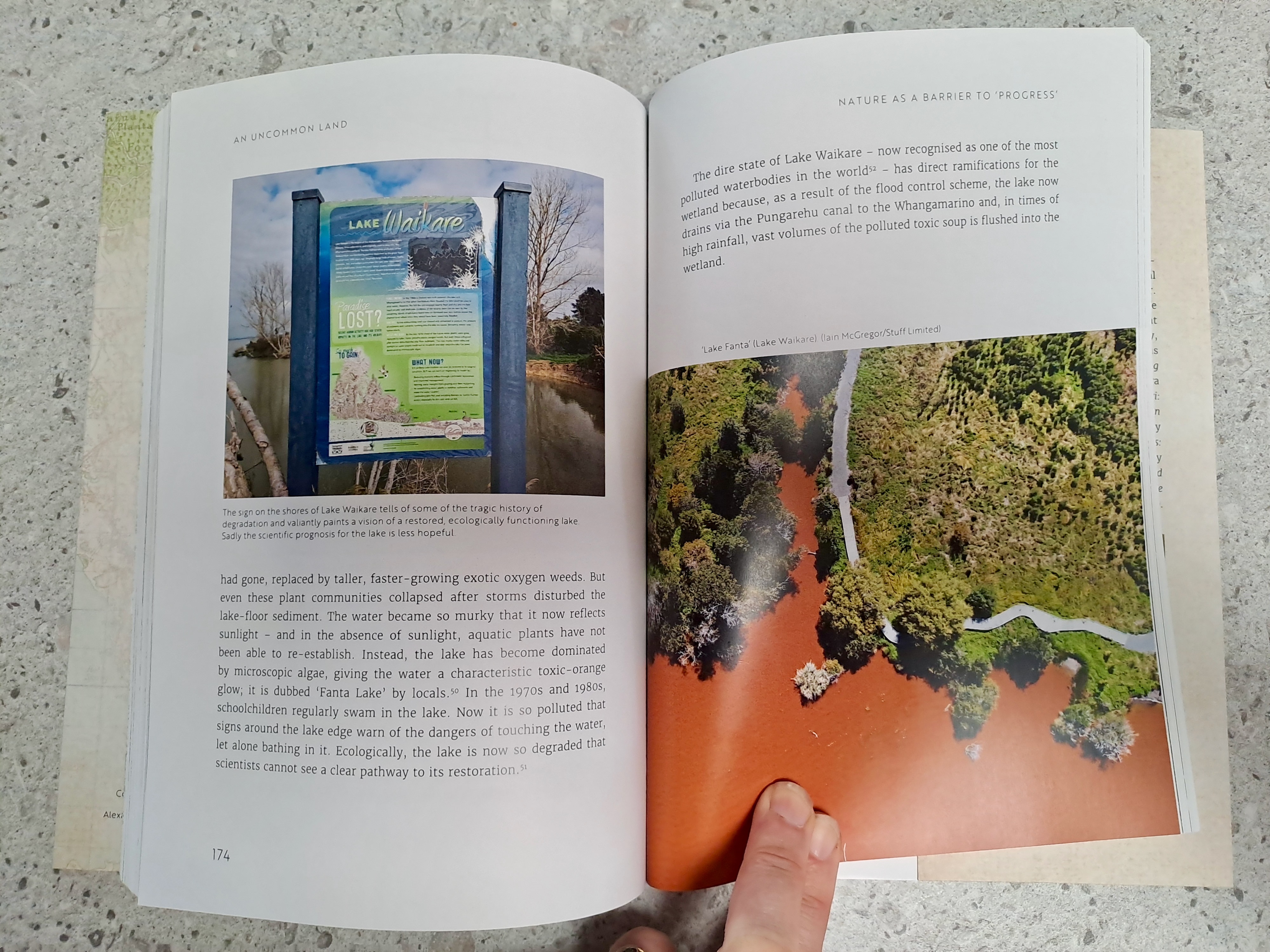
‘An uncommon land’ is a unique exploration of New Zealand’s history using the experience of the author’s ancestors as a lens. In this engaging and richly illustrated book, award-winning author and environmental historian Catherine Knight throws light on the genesis and evolution of the commons, its erosion through enclosure, and the ascendency of private property in parallel with the rise of capitalism – a history that has indelibly shaped New Zealand society.

Like other European settlers, the lives and future prosperity of the author’s ancestors had their foundations in war, land appropriation, and environmental destruction, but in their stories there are also glimmerings of the potentiality of commons – tantalising hints of an alternative path to a re-commoned, regenerative future.

This book comes at a pivotal juncture in our history: the last two centuries have been characterised by land enclosure, the unconstrained destruction of nature, and capital accumulation. As we face unprecedented challenges caused by our exploitative actions towards nature and each other, we have a choice: to continue along the path of exponential growth, or to reassess the way we engage with the natural world and the rest of society. From a past of enclosure, resource exploitation and denaturing, we could choose a path of re-commoning and regeneration, taking inspiration from our collective history.

Over the next weeks and months, I intend to explore the themes traversed in the book through some short writings on Substack. The topics will be wide-ranging and probably somewhat random and unpredictable (even to me). I hope you will join me on this unpredictable, exploratory – and hopefully, thought-provoking – journey from the past into the vast potentiality of a different kind of future.

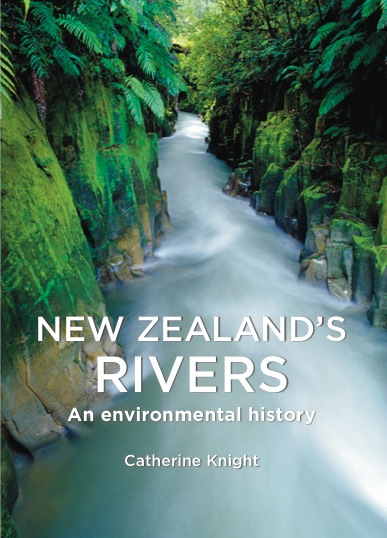
New book: New Zealand’s Rivers

Rivers coverRelease in November 2016

From cover: New Zealand’s Rivers: An environmental history explores the relationship between New Zealanders and our rivers, explaining how we have arrived at a crisis point, where fresh water has become our most contested resource and many rivers are too polluted to swim in.

Environmental historian Catherine Knight reveals that the tension between exploitation and enjoyment of rivers is not new. Rivers were treasured by Māori as food baskets and revered as the dwelling places of supernatural creatures. But following European settlement, they became drains for mining, industrial waste and sewage, and harnessed to generate power and to irrigate farmland. Over time, the dominant utilitarian view of rivers has been increasingly questioned by those who value rivers for fishing and canoeing as well as for ecological, spiritual and cultural reasons. Today, the sustainable use of rivers is the subject of hotly contested debate.

Thoroughly researched and richly illustrated, New Zealand’s Rivers is an accessible and compelling read for all New Zealanders, including anglers, kayakers, farmers, environmental practitioners, policy-makers, students and anyone with an interest in our environment and history.

‘… an important book that should be read by all New Zealanders interested in the future of the country …’ Professor Tom Brooking, University of Otago

‘… informs a New Zealand response to a world concern for the natural freshwater environs: what they were, are now and how they should be for our successors.’ Sir Taihakurei Durie, Chair, New Zealand Maori Council

Download New Zealand’s Rivers order form

For more information about the author, go to www.catherineknight.nz

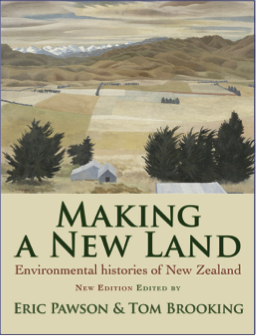
Environmental histories of New Zealand – Making a New Land

Making a New LandA new edition of the New Zealand environmental history classic, Environmental Histories of New Zealand, is out this month. Entitled Making a New Land, it has six new chapters with the existing ones revised. (You can read more about the book here.) I have put my order in for my copy already (and for my local library too).

This book (well, not this exact one – I haven’t got it yet!) is close to my heart. I discovered it when I was writing my Masters thesis about the Japanese treatment of nature through history (see publications page – it’s near the bottom). Continue reading