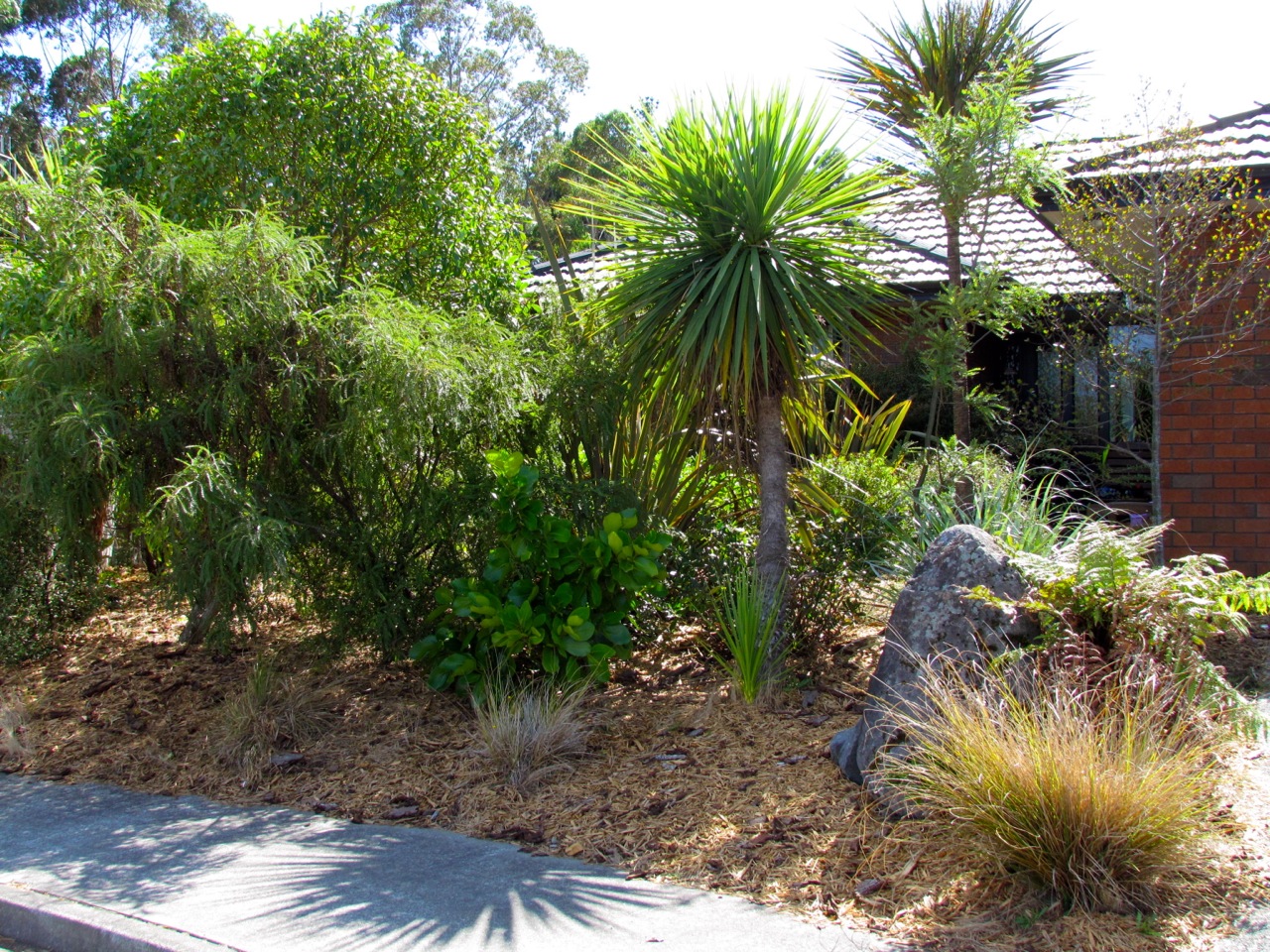
The front lawn – how has this New Zealand institution fared in the Big Dry?

Our "front lawn" today
Our “front lawn” today

In New Zealand, we have recently experienced one of the most prolonged periods of drought since records began, and a number of regions in New Zealand have now been declared as officially in drought. We live in Kapiti, a coastal area where there is less rain and more sun than many parts of New Zealand. On top of that, we have very sandy, porous soils, which makes growing some things quite challenging. Continue reading

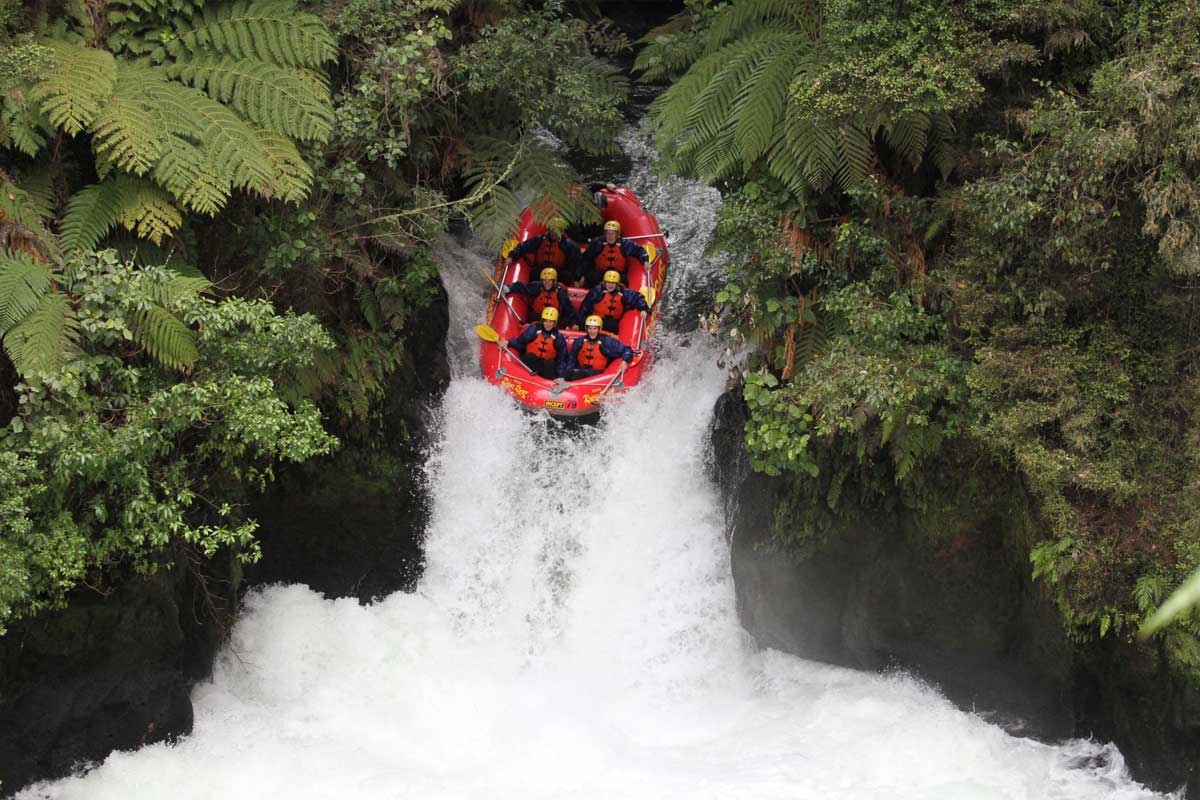
Wild rivers

rafting
River rafting. Source: http://www.riverrats.co.nz

I recently had the great pleasure to read John Mackay’s book “Wild rivers”, published in 1978, in which he recounts with remarkable descriptive detail the rafting adventures he and his mates had during the 1970s. He describes adventures on the Upper Buller Gorge, the middle Clarence, the Motu, the Wanganui, and the Karamea – all undertaken on home-made rafts, constructed using inner tyre tubes, timber and ropes, with accessories such as life-jackets either borrowed or improvised. Continue reading

envirohistory NZ – 2014 in review

The WordPress.com stats helper monkeys prepared a 2014 annual report for this blog.

Here’s an excerpt:

The concert hall at the Sydney Opera House holds 2,700 people. This blog was viewed about 34,000 times in 2014. If it were a concert at Sydney Opera House, it would take about 13 sold-out performances for that many people to see it.

Click here to see the complete report.

New issue of Environment and Nature in New Zealand now out!

deerJust released: Environment and Nature in New Zealand Vol 9 No 2

Includes the following articles and book reviews:

Alistair McMechan, “Timber Town: A History of Port Craig”

Simon Canaval, “The Story of the Fallow Deer: An Exotic Aspect of British Globalisation” Continue reading

Counting ducks

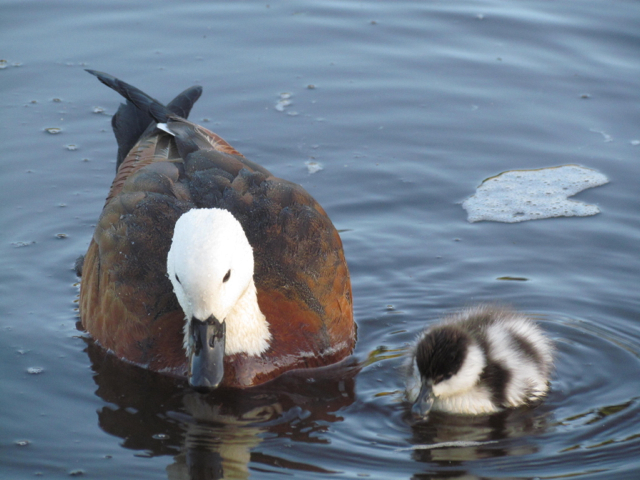
Female Paradise shelduck and duckling

This is the time of year that you find yourself compulsively counting ducks.

We live next to an artificially created lake, and it has become home to a wide range of birds  – both indigenous and introduced. But it is the Paradise shelducks that create the most excitement when they produce their little black and white balls of fluff. Continue reading

The story of the “solitary little trout”

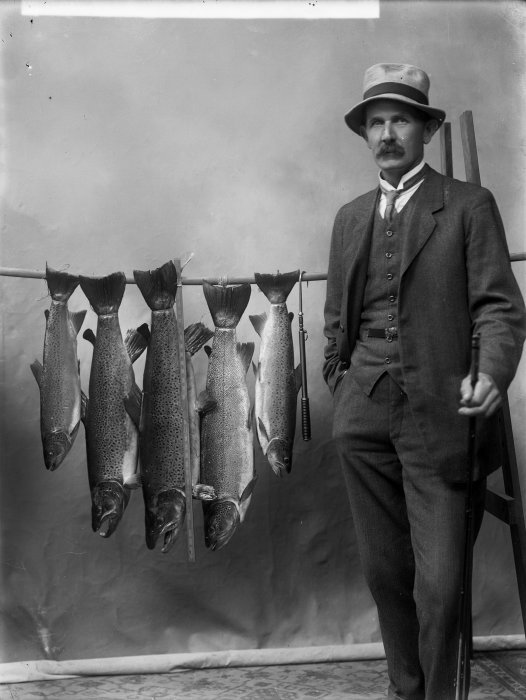
Mr Clark with trout. Ref: 1/1-005184-G. Alexander Turnbull Library, Wellington.

One of the great advantages of the Internet age is that not only is it possible now to find peoples’ PhD theses online, but graduate theses too. In my quest to better understand the acclimatisation of trout and salmon in New Zealand, I came across an honours dissertation by a Canterbury University history student, Jack Kós. Entitled “A most excellent thing”, it documents the introduction of trout to Canterbury in 1867 (the first successful introduction in New Zealand) and the subsequent dissemination of trout throughout New Zealand. Continue reading

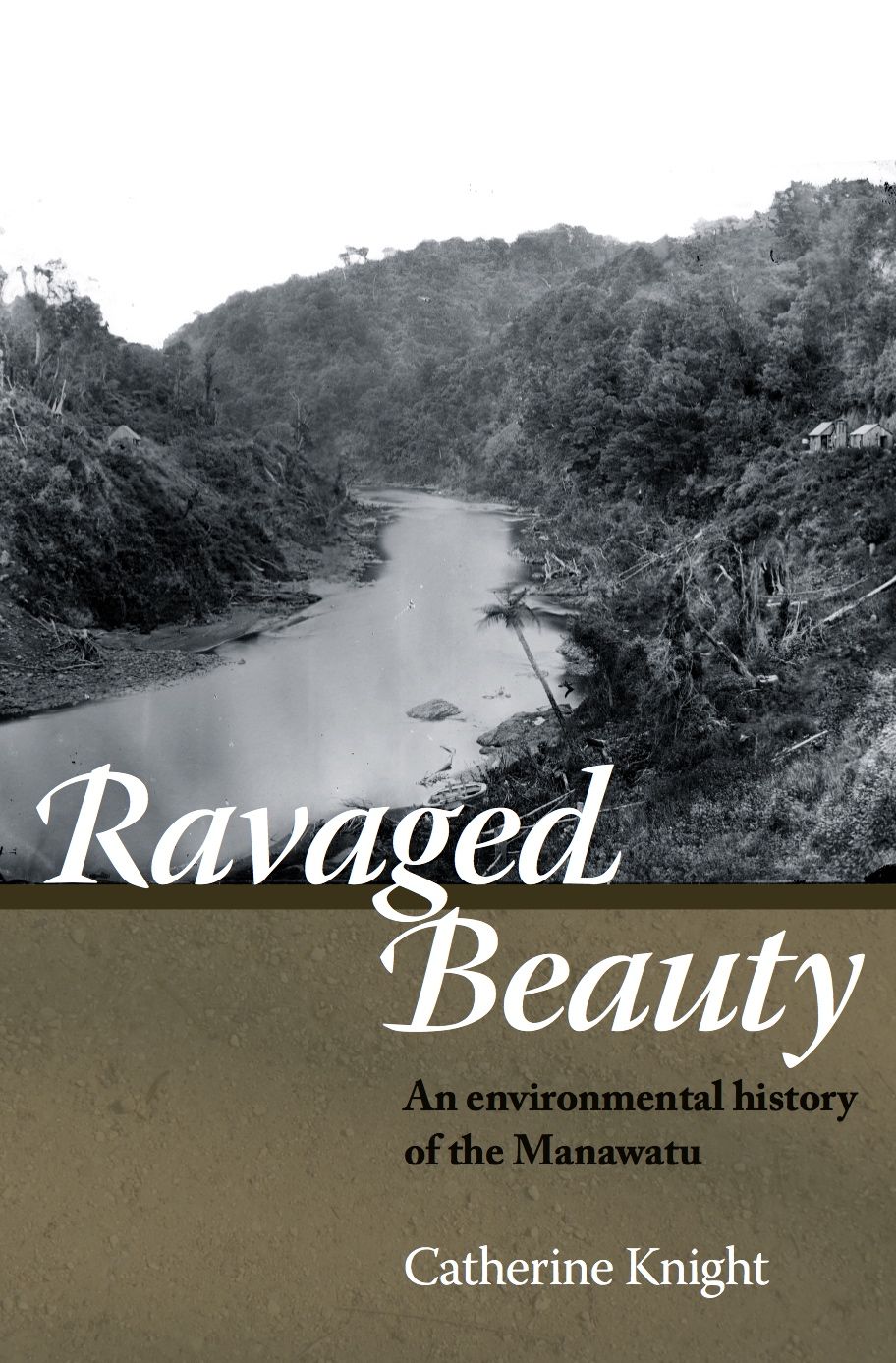
Ravaged Beauty talk: Wellington National Library, 23 October

coverA few people have been inquiring whether I will be doing a talk in Wellington about Ravaged Beauty and the environmental history of the Manawatu. The answer is yes.

Other upcoming talks include the following:

  • Kapiti Forest & Bird: 7:30 pm 24 September (today!), Presbyterian Church Hall, Waikanae
  • Otaki Historical Society: 7:30pm 7 October, Otaki
  • National Library Author’s Voice Series: 12:10pm 23 October, National Library, Wellington
  • Mina McKenzie Memorial Lecture: 7 pm 5 November, Te Manawa, Palmerston North
  • Kapiti WEA course: 10am 8 November, Paraparaumu

Continue reading

The illustrious history of canoeing on the Manawatu River

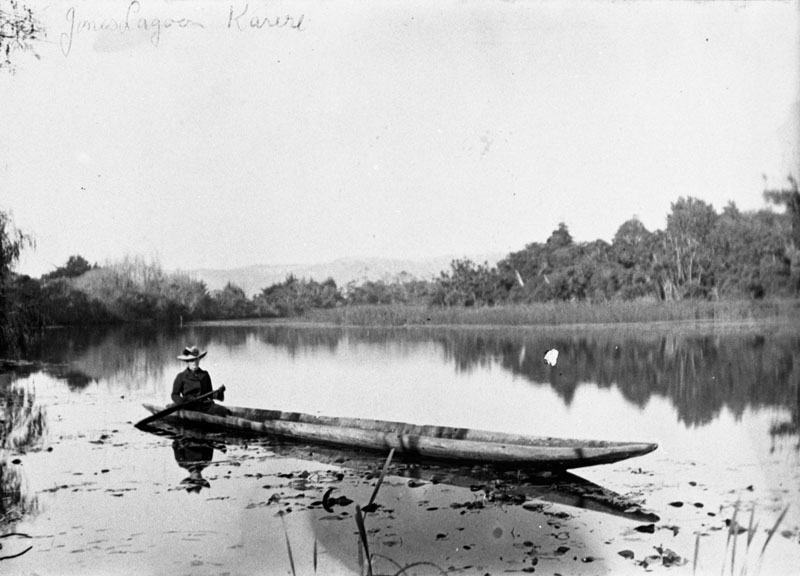
Woman paddling in dugout canoe in Jone's Lagoon, Karere, c1905. Palmerston North City Library, 2007N_Lo27_BRW_0609
Woman paddling in dugout canoe in Jone’s Lagoon, Karere, c1905. Palmerston North City Library, 2007N_Lo27_BRW_0609

One aspect of the Manawatu’s environmental history which I completely neglected in my book Ravaged Beauty: an environmental history of the Manawatu, was recreational canoeing on the Manawatu River. Yet I have since discovered that it had a most illustrious history, according to Murray Fyfe’s history of recreational canoeing in New Zealand, published in 1972. Continue reading

Rats: the “black scourge” of our forests

rat eating egg
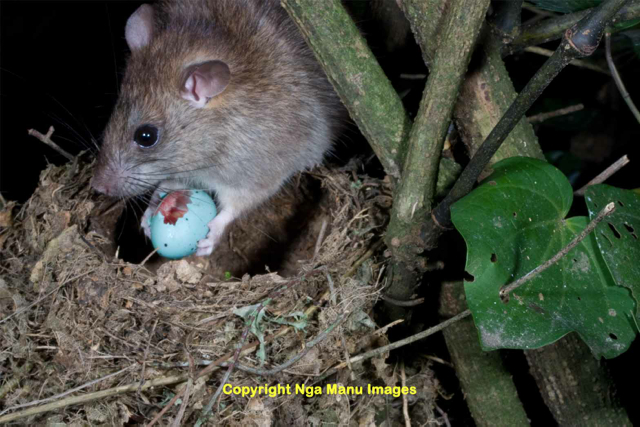
Black rat eating a thrush egg

This dramatic photograph shows a black rat eating a thrush egg. This common rat species (Rattus rattus, otherwise known as a bush, roof or ship rat) is one of three that has long made its home in New Zealand. Continue reading

Wairau River – ancient and modern engineering

Plan of lagoons and channels dug by Maori at the mouth of the Wairau River, drawn by J.L. D'Arcey Irvine. Alexander Turnbull Library, MapColl 832.2gmtb [pre-1840] Acc. 120
Plan of lagoons and channels dug by Maori at the mouth of the Wairau River, published by W. L. Skinner in 1912. Alexander Turnbull Library, MapColl 832.2gmtb [pre-1840] Acc. 120
In 1963, a major engineering feat was completed on the Wairau River, in the Marlborough district: the Wairau diversion.  The diversion created two Wairau Rivers, one following its original course, which meanders south-east into a network of lagoons, before reaching Cloudy Bay at Wairau Bar. The “new Wairau River” was a channel that connected the river through a cut eastwards to the sea. Continue reading