Whose rivers are more pleasant? New Zealand vs England

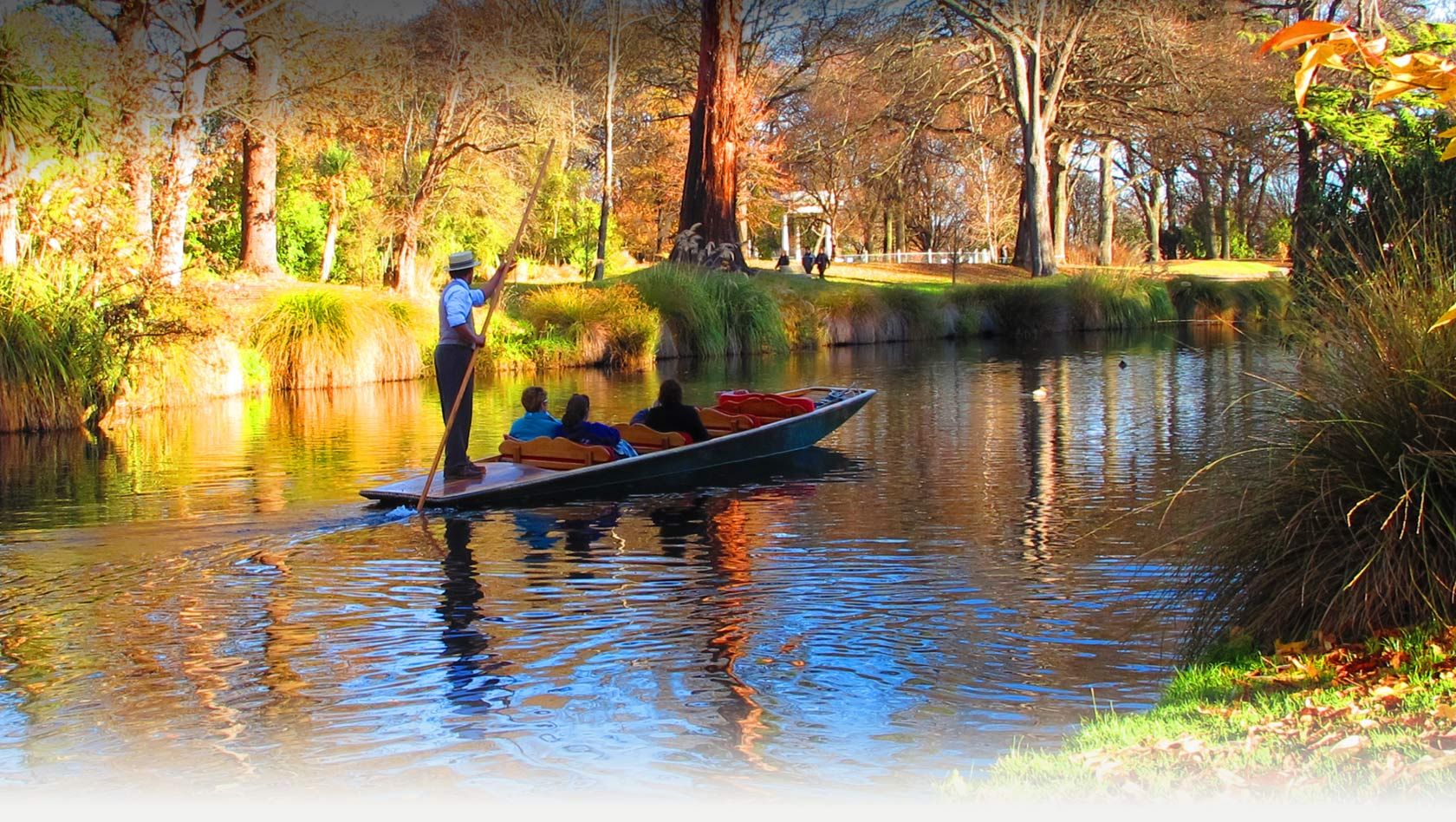
Avon River, Christchurch
A “pleasant” river, complete with punts: Avon River through Christchurch

Reading Andrew McRae’s paper “Fluvial Nation: rivers, mobility and poetry in Early Modern England”, I was struck by its opening statement.

In 1665, the speaker of the House of Commons, addressing the King and Parliament reflected that: “Cosmosgraphers do agree that this Island is incomparably furnished with pleasant Rivers, like Veins in the Natural Body, which conveys the Blood into all the Parts, whereby the whole is nourished, and made useful.” Continue reading

Rivers in New Zealand: deadly, destructive … but quite useful

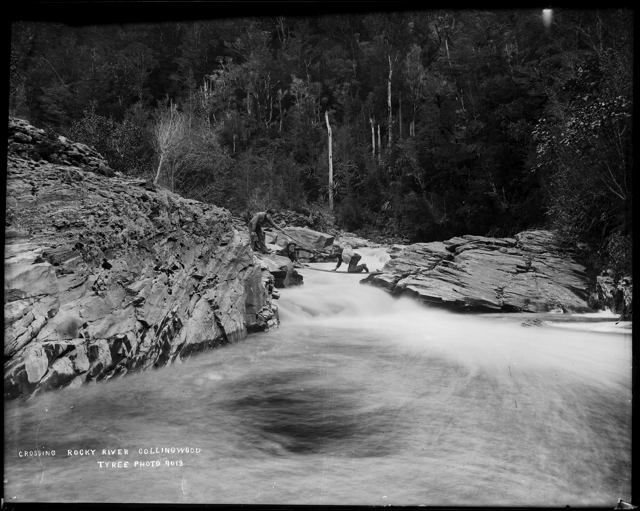
Two men using a plank to cross a river in the Collingwood area. Date unknown. Not to be reproduced without permission from Alexander Turnbull Library, ref: G-979-10×8

The Manawatu River was a defining feature of the Manawatu Region, which was the subject of my recently published book, Ravaged Beauty. This has led me to research the environmental history of our rivers more broadly. Continue reading

When is a river a drain?

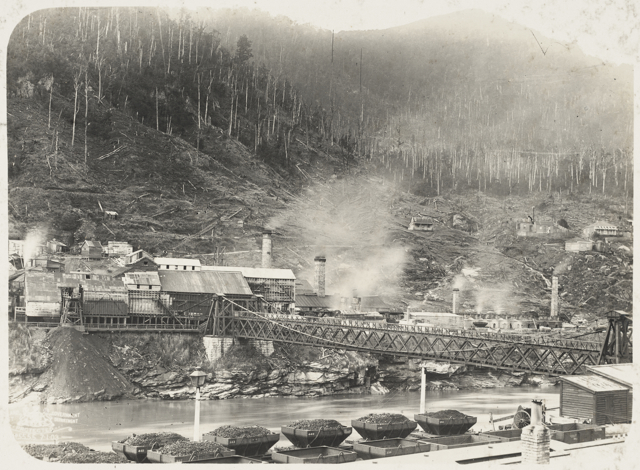
Brunner Mine on Grey River
View of the coalmining town of Brunner, by the Grey River, showing the bridge and the mine. Coal ready for transport by rail can be seen just below the photographer. Not to be reproduced without permission from Alexander Turnbull Library, PA1-o-498-36.

Some may argue that too often rivers are treated like drains even today, but a century and a half ago, rivers were drains under this country’s law.

Under the Public Works Act 1876,  “drain” was defined to include both artificial channels and “every natural watercourse, stream, and river not navigable” (s. 165). Under the Mines Act, certain rivers could be proclaimed “sludge channels”, as was the case with the Waihou and Ohinemuri Rivers in Waikato. Continue reading