 Those of us who get annoyed by white butterfly caterpillars on our cabbages or broccoli may want to spare a thought for pastoral or crop farmers of the late 19th and early 20th century in New Zealand. Some caterpillars were of such plague proportions that on occasion, trains were brought to a screaming (or perhaps more squishy) halt by armies of caterpillars with their sights on a particularly tasty-looking field of wheat or oats. Continue reading
Month: March 2013

How a beach stroll can be a journey of archaeological discovery
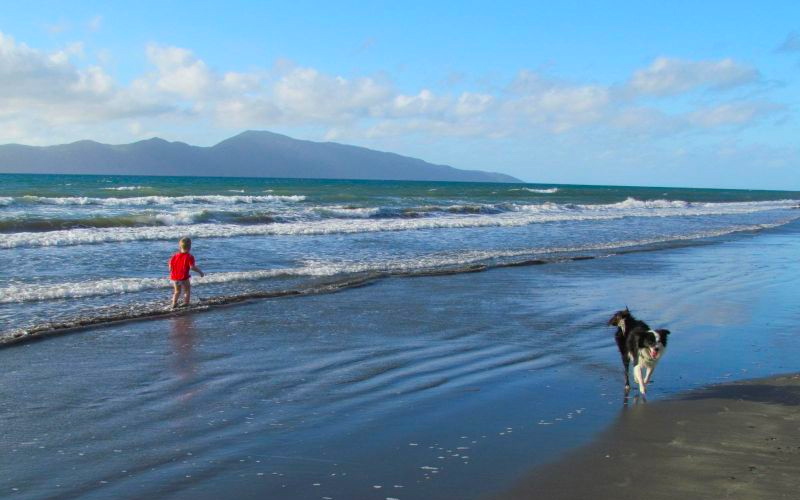
Generally, when we go for a stroll on the beach, our gaze tends to fall towards the sea, rather than inland. But sometimes it pays to turn our gaze towards the dune landscape too, as dunes sometimes harbour treasure troves of environmental history – in the form of middens. Continue reading
Share this:

Review: Home in the Howling Wilderness
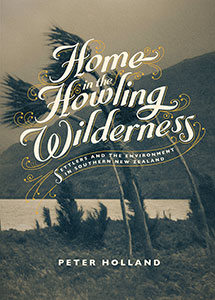 Peter Holland’s recently published Home in the Howling Wilderness is a valuable addition to the repository of literature and knowledge relating to New Zealand’s environmental history.
Holland, Professor Emeritus of Geography at the University of Otago, focuses on the first half century of organised settlement (1840 to 1890) of the lower South Island of New Zealand.
He has meticulously researched the ways in which early settlers learned about, and responded to the challenges of this unfamiliar environment, drawing on farmers’ dairies, letter books, ledgers, newspaper articles and other available sources. Continue reading

 envirohistory NZ