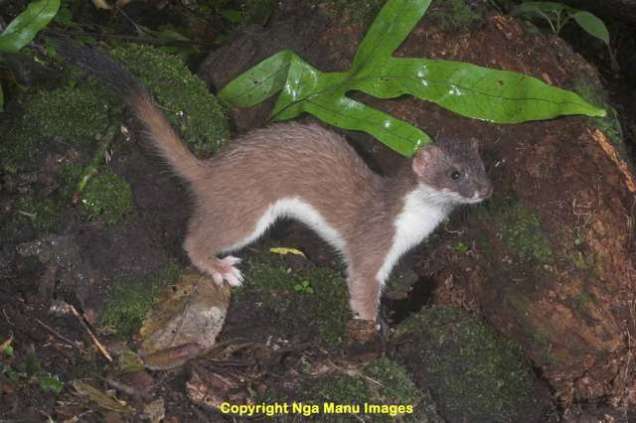
 The other day, a colleague of mine asked: “Why were stoats and ferrets introduced into New Zealand? Do you know?”. I put on my best “all-knowing” face, and said “To control rabbits”. But even as I said it, I wavered with uncertainty, because it seemed so preposterous – a bit like the old lady who swallowed the spider (to eat the fly). Continue reading
Month: December 2010

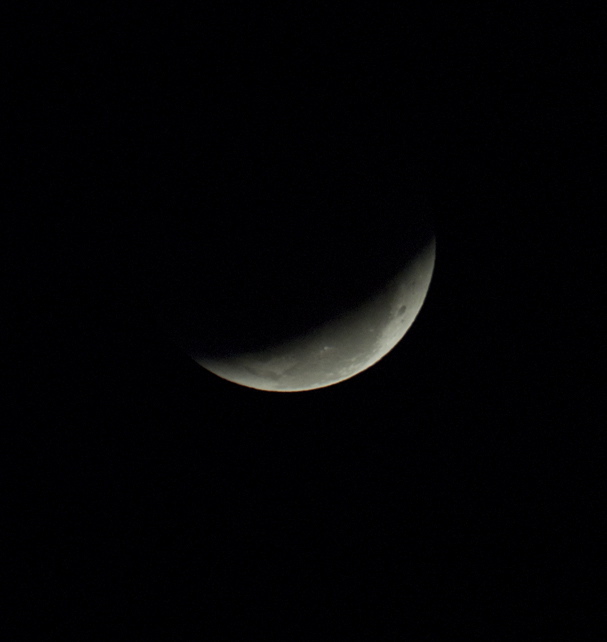
Photos of lunar eclipse from Horowhenua, New Zealand
Like my earlier post with interesting cloud formation photos, this post is not – strictly speaking – about environmental history either, but I expect most readers will not quibble much, because these photos are very cool! Taken from veteran photographer Paul Knight’s back-yard, in Levin, Horowhenua, they capture the moon’s eclipse, which was visible in our skies on 21 December. It was, apparently, the first total lunar eclipse visible in New Zealand in three years. A total lunar eclipse only occurs when there is a full moon. The eclipse coincided with summer solstice – the shortest night/longest day in the year.
Share this:

Vanishing forests: pre-European transformation of the South Island
 When we encounter the extensive tussocklands of the eastern South Island [see below right], it is hard to imagine any other landscape in that place – so much a part of the “natural” New Zealand landscape have they become. Yet, as explored in a previous post What is natural? The tussocklands of Lindis Pass, this is in fact a human-induced landscape; the tussocklands have replaced podocarp and beech forest [see left] that once covered the South Island. However, this occurred long before any written history was established, and this environmental history has had to be pieced together through painstaking paleoenvironmental research.
New ground-breaking research, undertaken by an team of both New Zealand and international scientists, has determined how, to what extent, and over what time-frame large tracts of South Island forest were destroyed. Continue reading
Share this:

The kohekohe forest of Hemi Matenga Reserve
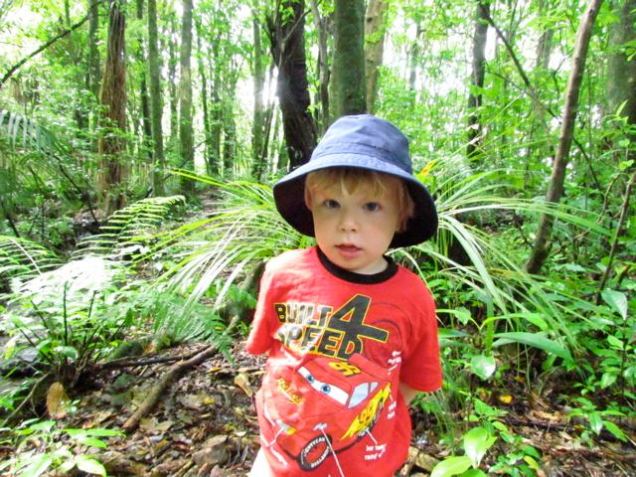 As mentioned in the previous post, today, Carter and I set out on one of our adventures with (inevitably) an environmental history theme – this time, to a little grove of regenerating kohekohe forest, which forms part of the Hemi Matenga Memorial Reserve, in the hills behind Waikanae [click here to view map].
Share this:

Sometimes it’s not about environmental history
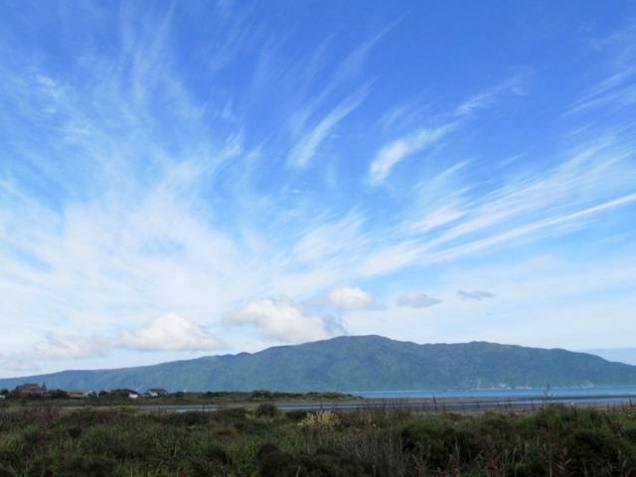
I am not going to pretend this post is about environmental history – it is more about gratuitous self-indulgence (one of the many benefits of having a blog!), and pure enjoyment of the landscape (not a bad thing in itself, after all).
This morning, Carter and I set out on a Wednesday “environmental history” adventure (about which there will be a later post) and, driving down Mazengarb Road, I noticed some interesting cloud formations over Kapiti Island. Continue reading
Share this:

Waitangi Park – an urban wetland recreated
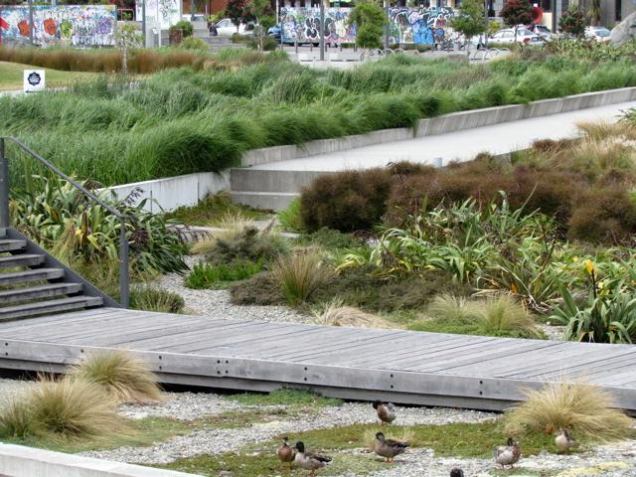
With its opening in 2006, the 6.5 hectare Waitangi Park, on Wellington’s waterfront [click here to view location], became New Zealand’s largest new urban park in 100 years. Waitangi Park is near the site of the old Waitangi wetland, which was fed by the Waitangi Stream. Rich with eel, fish and shellfish, it was used for centuries by Maori for food gathering, as a source of fresh water, and as a place to launch their canoes (or waka) into the sea. Continue reading
Share this:

Views of Kapiti 4: Maungakotukutuku Valley
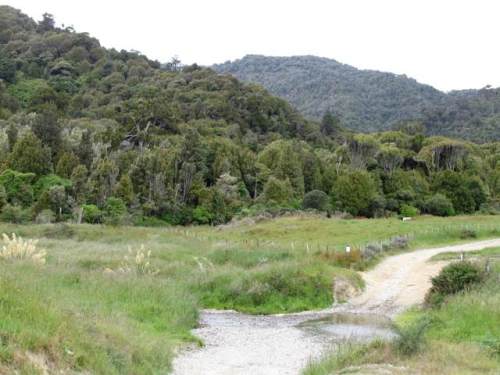 This morning, Carter and I had some time to kill before his first ever appointment with the dental nurse, so we went for a drive up Maungakotukutuku Road,* south-east of Paraparaumu [click here to view location]. This is narrow, windy road, best taken very slowly and carefully (especially in a Kia Picanto!), so it was a good time of day to explore it. The low cloud and light, misty rain added to the sense of mystery and adventure. Continue reading
Share this:

A photographic treasure trove of New Zealand’s natural heritage
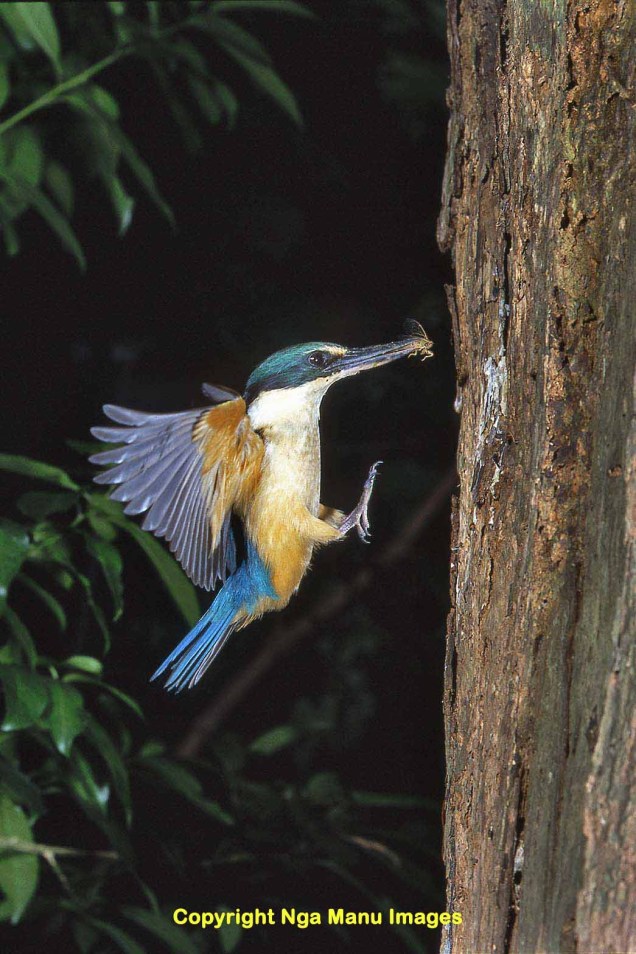 Nga Manu Images is an online photo library created by Dave Mudge and Peter McKenzie, founder trustees of Nga Manu Trust, a charitable trust dedicated to the conservation of New Zealand’s flora and fauna, and conservation education. The Trust founded the Nga Manu Nature Reserve, just north of Waikanae on the Kapiti Coast, featured on this website. What makes this photo repository so unique is that, in keeping with the Trust’s objectives, these images are available free of charge for conservation advocacy and education purposes, as well as non-commercial personal use.
Many of the images on this site are part of a more than three decade-long project to develop a pictorial record of the ecology of Nga Manu Nature Reserve, recording the plants and wildlife and the way they interact. Continue reading

 envirohistory NZ