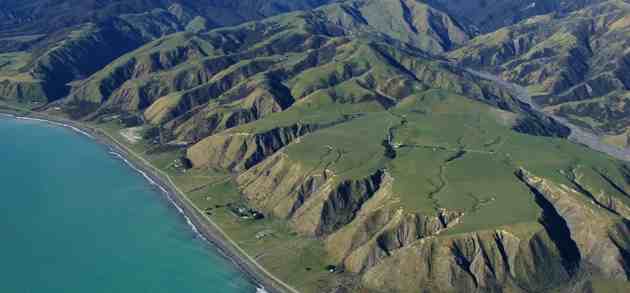
 Archaeological evidence shows that Maori occupied the south-east coast of the North Island, including Palliser Bay, by the 14th century. Research in the 1970s by Foss and Helen Leach of Otago University showed that people lived in small settlements at stream and river mouths. The people were both gardeners and hunters and gatherers, reliant on what they could take from the forest, rivers, streams, coastal lagoons and the sea – the main sources of food were likely to have been small birds, fish, seals and kūmara (sweet potato). There is evidence of about 300 people in six separate communities on the eastern side of the Palliser Bay. Yet by the 1600s these settlements had gone. Continue reading
Month: June 2010

The place of an echo: Pūtaringamotu (Deans Bush)

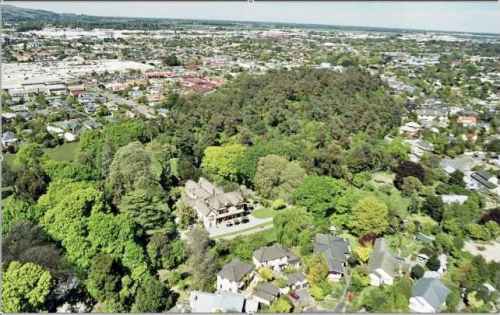 When Europeans began arriving in the Canterbury region in the early 1800s, most of the swamp forest – dominated by matai, totara and kahikatea (white pine) – that covered much of the Canterbury Plains in previous centuries was gone. It is thought that it had been destroyed by a great fire that swept across the plains during the moa hunter period, leaving only a scattered bush remnants. Continue reading
Share this:

Eels and eeling in our environmental (and cultural) history
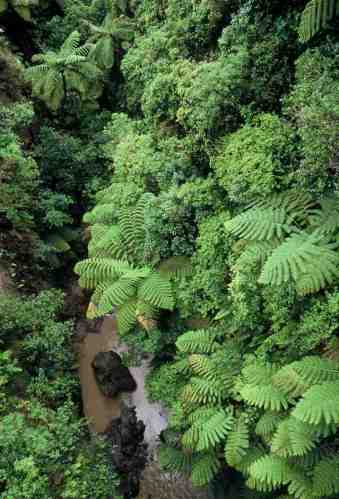 Eels (or more broadly, tuna) have long been important in the culture of the our islands. For Māori, not only were they an extremely important food source – particularly for those who lived inland, but they were also of great cultural value. For the European New Zealander, eels were perhaps less vital as a food source, but for much of the 20th century eeling represented what was valued about the New Zealand lifestyle – the accessibility of our outdoors for both recreation and supplementary sources of food and income. However, as the health of our environment has become eroded, so too has this ability to hunt, fish, or recreate as freely as we used to. The eel, though less charismatic or cuddly than many of its land-based counterparts, is nevertheless a powerful symbol of the impact we have had on our environment as well as traditional values.
One indication of the eel’s importance in Māori culture is the number of words that were used to describe different varieties and conditions of eel (like Inuit terms for snow): as noted by David Young in Woven by Water – histories from the Whanganui River, ethnographer Eldson Best recorded at least 166 such words. Continue reading
Share this:

Landscape and identity in NZ
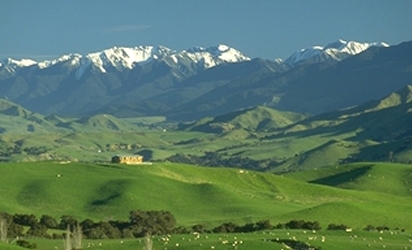 A new book called “Beyond the Scene: Landscape and Identity in Aotearoa New Zealand”, is made up of eleven essays by a diverse range of writers reflecting on a landscape that is important to them. The writers range from farmer, art historian, geographer, landscape architect, environmentalist and poet, among others. Continue reading
Share this:

Maori gardening in pre-European NZ
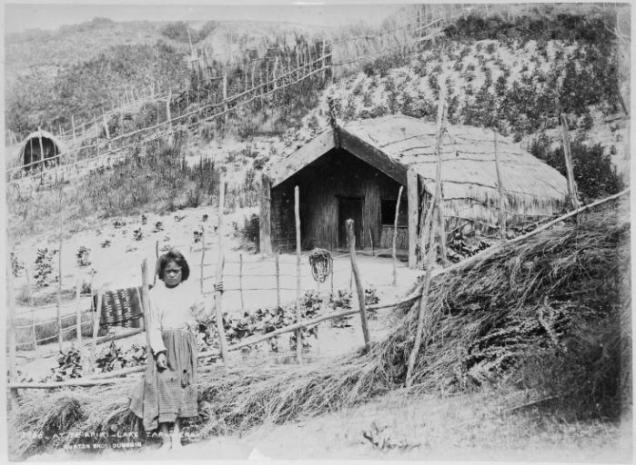 Horticulture was integral to pre-European Maori culture. As Bee Dawson states in “A history of gardening in New Zealand”, the ability to produce reliable garden crops influenced the settlement patterns of early Maori. Thus, the warmer areas of the North Island, particularly those with fertile volcanic soils, supported much larger populations than those further south where both climate and terrain made horticulture less viable. The northern two-thirds of the North Island proved most rewarding in terms of horticultural production, while Banks Peninsula in the South Island marked the southern limit of Maori horticulture. Continue reading
Share this:

Weeds – the great European invasion
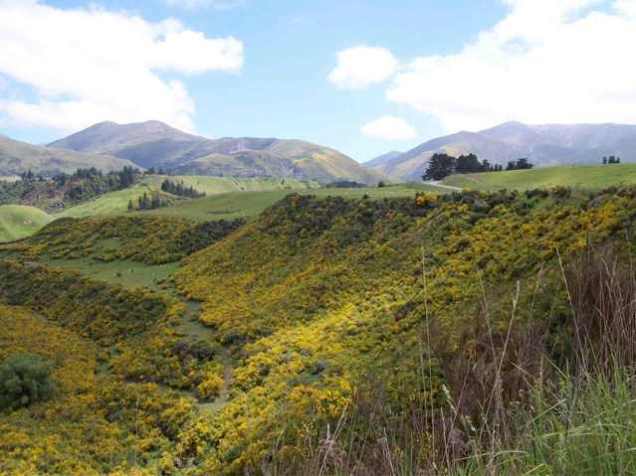 As Bee Dawson relates in “A history of gardening in New Zealand”, when Europeans began to settle in earnest in New Zealand in the early to mid-19th century, they not only brought with them “productive” plants, but many other plants, which soon became invasive “weeds”. Continue reading
Share this:

envirohistory NZ hits 10,000!
 Today, the day before World Environment Day, the envirohistory NZ website got its 10,000th hit. The website – the first of its kind in New Zealand – was launched on November 15 last year, and since then has received attention from over 60 countries around the world.
This is a good opportunity to say a big thank you to all our subscribers, visitors and contributors for your ongoing support.

 envirohistory NZ